EN
EN

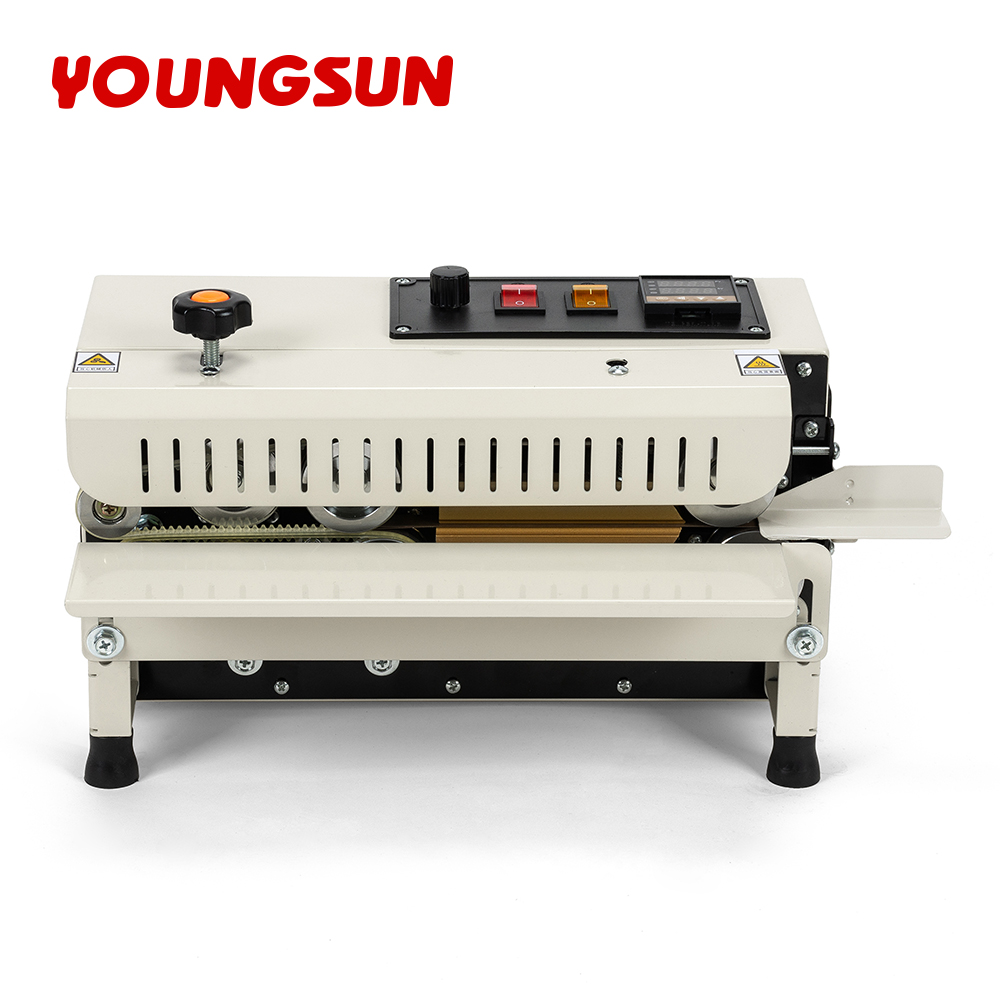
Why Carton Sealing Machine Adjustability Is Critical for Multi-Size Packaging Lines
Packaging lines today are under serious pressure to deal with all sorts of carton sizes while still keeping up the pace and maintaining good seals. When using those semi automatic sealing machines, workers have to manually adjust everything every time they switch to a new box size. They need to mess around with guides and pressure plates, which takes anywhere from 3 to 5 minutes each time. That might not sound like much but when dealing with lots of different products throughout the day, these small delays really add up and eat into production time. Automated sealing systems work totally differently though. These machines come equipped with built in sensors and computer controls that can spot the exact dimensions of boxes as they come through and automatically adjust where the tape goes. No more waiting around between changes. The difference shows up in numbers too. Plants that handle multiple product types often see their daily output jump by around 15 to 30 percent when switching from manual to automatic systems, based on recent industry reports. Getting the right amount of pressure on the tape matters a lot too, especially since cardboard comes in so many thicknesses. Proper calibration helps avoid damaged shipments of delicate items. Operations that run through more than 20 different box types each day find that this kind of flexibility turns what used to be a major slowdown into something that actually gives them an edge over competitors.
Manual Adjustment Process for Semi-Automatic Carton Sealing Machines
Width and Height Guide Calibration for Accurate Box Fit
Getting those guides calibrated right makes sure boxes line up properly with the sealing equipment. Start by loosening those side-guide locking knobs, then push both guides inward until they just barely touch the sides of the carton. Keep about 1 to 2 mm space between them and the carton edges so there's no rubbing or jamming issues down the line. When adjusting height, simply turn that handwheel to move the overhead guide rail up or down until it matches the top of the box. Give it a test run with empty cartons first. If things aren't aligned correctly, the tape might end up off center and create jams that can slow down production by around 20% when dealing with different sized boxes. Don't forget to check how much room there is between the cartons and conveyor rollers to avoid any crushing problems. Once everything looks good, lock all those adjustments in place before starting actual operations to keep results consistent from one batch to the next.
Magazine, Pickup Arm, and Pressure Plate Tuning for Reliable Tape Application
Getting the most out of tape dispensers starts with putting the right width tape into the magazine and setting the tension properly from the get-go. The pickup arm needs just enough reach to grab those tape ends reliably but not so far that it stretches or damages them. A good rule of thumb is around 30 degrees where the arm meets the tape. When adjusting the pressure plate, be careful with how much force gets applied. Too much will dent the boxes, too little and the tape just lifts off. For regular cardboard boxes, somewhere between 2 and 3 kilograms per square centimeter works well in most cases. Run through about five boxes in a row during testing. If the seals look smooth without any wrinkles or gaps, things are probably set correctly. Small adjustments matter a lot though. Moving the arm just half a millimeter can actually boost seal reliability by roughly 15 percent when working in damp conditions, which makes all the difference in quality control.
Automated Adaptation in Random Carton Sealers: Sensors, Controls, and Setup Workflow
Inputting Box Dimensions and Tape Parameters via HMI or PLC Interface
Modern carton sealing systems automatically adjust sizes using built-in optical sensors along with those fancy PLC controllers. Workers simply enter the box measurements length, width and height plus details about the tape like how wide it should be, how tight to apply it, and what kind of overlap they want through the touch screen interface on the machine. The sensors then pick up the shape of each carton as it comes through, sending all that info to the PLC which fine tunes where the tape head lands and where the conveyor guides position themselves. This cuts down on having to measure things manually, saving roughly two thirds of the time needed when switching from one box type to another compared with older semi automatic machines. Facilities dealing with multiple box sizes benefit greatly since these PLC systems remember different settings so operators can switch between carton types with just a button press. Getting the right numbers entered correctly matters a lot because bad tape jobs lead to damaged goods during shipping, something that costs companies around $740 thousand every year according to Ponemon's research from last year. And for warehouses running lots of different sized boxes at once, good PLC setup keeps production rolling smoothly at over thirty boxes per minute without any stoppages.
Validation, Troubleshooting, and Best Practices After Adjustment
Once adjustments have been made to the carton sealing machine, it really pays off to validate how well everything works when handling different sized boxes. Run some tests with actual production cartons that match what will be used on the line. Take a close look at where the tape gets applied along every seam to make sure there's no inconsistency. When checking seal strength, grab a tension gauge and remember that most industry specs call for at least 2.5 pounds per inch of adhesion so packages stay sealed during shipping. Should any wrinkles show up or gaps form between panels, go ahead and tweak those pressure plates and guide rails bit by bit until things smooth out. And if tape keeps breaking unexpectedly, don't forget to inspect blades for dull spots and double check those tension settings too.
Common troubleshooting scenarios include:
- • Misaligned seals: Verify side guide symmetry within 1 mm tolerance
- • Tape jams: Clear debris from pickup arms and magazine rollers
- • Weak adhesion: Confirm tape compatibility with box material and ambient temperature
Maintenance records should capture all adjustments made, including specific box measurements and how well things performed after changes. Weekly checks on parts that tend to wear out, such as drive belts and various sensors, need to be part of routine maintenance. Operators must learn what strange noises or unusual vibrations mean so problems can catch them before they escalate. Following these maintenance routines cuts down on time lost due to adjustments by around 30 percent according to Packaging Digest from last year, plus it helps machines last longer overall. Safety first always applies too remember to shut off power completely during inspections and stick strictly to lockout tagout protocols.
FAQ Section
Why is adjustability important for carton sealing machines?
Adjustability is crucial because it enables machines to handle various box sizes efficiently, reducing downtime and increasing production speed.
How do automated sealing machines differ from semi-automatic ones?
Automated machines use sensors and computer controls to adjust tape placement and pressure automatically, whereas semi-automatic machines require manual adjustments.
What are common troubleshooting issues in carton sealing?
Common troubleshooting issues include misaligned seals, tape jams, and weak adhesion, which can be addressed by verifying guide symmetry, clearing debris, and confirming tape compatibility.
Table of Contents
- Why Carton Sealing Machine Adjustability Is Critical for Multi-Size Packaging Lines
- Manual Adjustment Process for Semi-Automatic Carton Sealing Machines
- Automated Adaptation in Random Carton Sealers: Sensors, Controls, and Setup Workflow
- Validation, Troubleshooting, and Best Practices After Adjustment
- FAQ Section