EN
EN

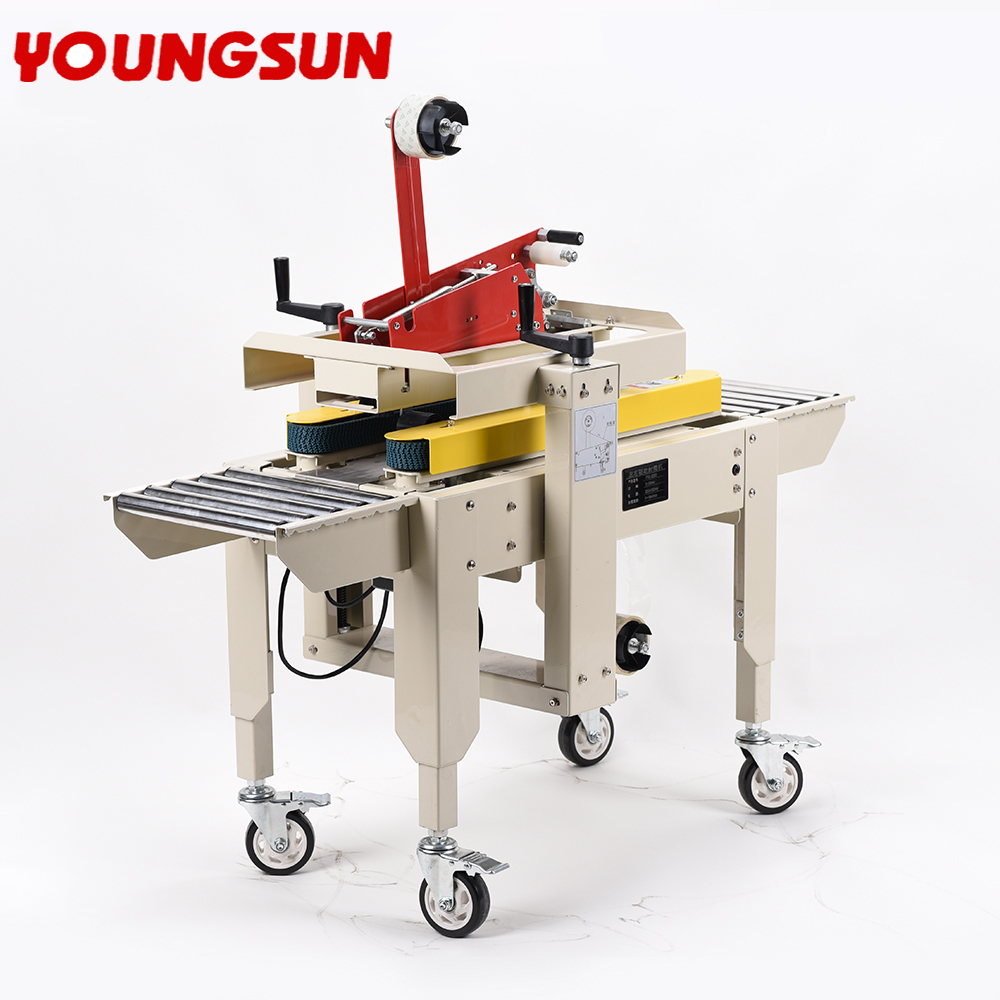
Why the Teflon Belt Is Critical to Continuous Band Sealer Performance
PTFE heat seal tape’s role in thermal conductivity, non-stick release, and seal consistency
PTFE belts are basically what makes continuous band sealers work properly, handling three essential jobs at once. The thin design allows heat to move quickly and accurately from those heating elements right onto the packaging material. What's really important here is that PTFE doesn't stick to anything. When the polymer starts melting during sealing, nothing gets stuck on the belt surface which means no contamination issues or unexpected machine stops. Plus, the surface stays flat and consistent so pressure spreads evenly all along the sealing area. All these features combine to create almost perfect seals with failure rates below half a percent in food packaging scenarios as long as maintenance keeps up. Things fall apart fast without good PTFE belts though. Industry data shows that faulty seals account for around 23% of wasted packaging in automated factories. That kind of waste adds up quick on any production floor.
Signs of belt wear—and how degradation compromises continuous band sealer output quality and uptime
Early detection of belt degradation is essential to avoid costly failures. Key indicators include:
- • Surface deterioration: Brownish discoloration or glossy patches signaling carbonized residue buildup
- • Physical damage: Cracks longer than 3 mm or edge fraying that compromise structural integrity
- • Performance issues: Intermittent sticking requiring release force >15% above baseline
When belts start to degrade, production reliability takes a serious hit. The problem gets worse when heat isn't transferred evenly across surfaces, leading to seals that just won't hold up during peel strength testing, often falling short of ASTM F88 standards by about a third. Cracks forming on surfaces catch all sorts of polymer residue, which dramatically raises contamination risks somewhere around seven or eight times higher than normal levels. Misalignments caused by warping lead to equipment jams that stop production dead in its tracks for over half an hour each time they happen. Industry experts agree that replacing parts before failure occurs works much better than waiting until something breaks down. Studies looking at packaging line efficiencies show that putting off maintenance costs companies roughly 70% more in unexpected downtime compared to regular preventive work.
Step-by-Step Teflon Belt Replacement for Your Continuous Band Sealer
Safe shutdown, disassembly, and removal of the worn belt without damaging drive components
First things first, turn off the machine completely and unplug it from power. Let everything cool down properly, usually around half an hour works best. Time to take off those protective covers, but make sure to use whatever tools the manufacturer recommends for this job. Before messing with the drive chains, snap some pictures of how the belts are routed so we don't lose track later on. When dealing with tensioners, just give them a gentle lift to loosen up the belt tension. Don't go prying around bearings or gears though, that can cause real problems. Now slide out that old PTFE belt from the rollers being careful not to bend any drive shafts during removal. Take a good look at those rollers too. If there's grime buildup, clean those grooves out well with some isopropyl alcohol. A quick inspection now saves headaches later when trying to figure out what went wrong.
Correct installation, alignment, and tensioning of the new PTFE heat seal tape
Start by laying out the new belt somewhere clean where there's no dust floating around. Get it lined up straight with those rollers, following the marks on the edges as your guide. Tighten those tensioners just enough so there's barely any slack left. Be careful not to go too tight though because that will wear things down faster and put extra strain on everything. Give the whole thing a gentle spin by hand to check if it tracks properly. If it doesn't stay centered, tweak those side guides until it does. Make sure both sides stick out about the same amount, roughly 5mm or so. Run it empty at about 10% speed and listen closely for any rubbing noises which usually means something isn't quite right. When setting the final tension, press down halfway between the rollers and look for about 10 to 15 mm of give. Industry research suggests this range can actually make belts last around 40% longer than when they're too loose, though real world results might vary depending on conditions.
Verifying and Optimizing Continuous Band Sealer Function After Belt Replacement
Thermal validation and seal integrity testing using IR thermography and peel strength metrics
Once a new PTFE belt gets installed, checking temperatures becomes absolutely essential. The best approach? Thermal imaging with infrared cameras to see how heat spreads across the surface. Any cold areas that differ by more than 5 degrees Celsius from what they should be point to problems with heat transfer consistency. These inconsistencies often lead to about a third drop in sealing quality. Alongside this visual check, run peel strength tests following the ASTM F88 standard. This measures how much force it takes to pull apart the sealed materials. For packages made with polypropylene, aim for at least 4 Newtons per 15 millimeters as a baseline. Keep records of all these tests so we can set reference points and adjust things like temperature levels, pressure applied, and how fast the production line runs. Going through both these methods makes sure the new belt transfers heat evenly throughout before letting production start again. Skipping this step risks having to redo work, creating waste, and facing unhappy customers later on.
Extending Belt Life and Preventing Downtime: Proactive Continuous Band Sealer Maintenance
Getting ahead of belt issues turns simple replacements from emergency fixes to smart investments in system reliability. A good practice is checking belts visually on a regular basis so we can spot problems early on before they become major headaches. Look out for things like frayed edges or those tiny cracks that start forming along the surface. After every shift, give both the belt and rollers a thorough cleaning with whatever products the manufacturer recommends. Dirt and grime build up fast and will speed up how quickly the belt breaks down from heat exposure. When setting tension levels, always rely on proper measuring tools. Too tight and we risk damaging other parts of the drive system. Too loose and the belt slips around, leading to poor seals across different sections. Don't forget to run through thermal calibration tests approximately every 500 hours of operation. This helps keep temperatures where they need to be for consistent performance without surprises later on.
Key practices include:
- • Alignment verification: Monthly laser alignment prevents edge wear and tracking drift
- • Drive component lubrication: Quarterly bearing greasing reduces friction-induced stress
- • Seal bar inspection: Bi-annual examination of bar surfaces avoids abrasive contact with the belt
- • Operational logging: Tracking runtime hours enables predictive, data-driven replacement scheduling
Operators trained in this protocol reduce belt replacement frequency by 30–50% while sustaining seal integrity—maximizing uptime, minimizing waste, and reinforcing long-term equipment ROI.
Frequently Asked Questions (FAQ)
Why is the PTFE Teflon belt crucial for continuous band sealers?
The PTFE Teflon belt ensures effective heat transfer, prevents sticking, and maintains consistent pressure for near-perfect seals, making it vital for continuous band sealer operation.
What are the signs of wear in a Teflon belt?
Signs include surface discoloration, physical damage such as cracks or fraying, and performance issues like intermittent sticking.
How often should the belt be inspected and replaced?
Belt inspection should be done regularly, ideally after every shift. Replacement should be based on wear signs but can be preemptively scheduled to avoid unexpected downtime.
How can the life of a continuous band sealer belt be extended?
Regular inspection, cleaning, proper tension maintenance, and periodic thermal calibration tests aid in extending belt life.
Table of Contents
- Why the Teflon Belt Is Critical to Continuous Band Sealer Performance
- Step-by-Step Teflon Belt Replacement for Your Continuous Band Sealer
- Verifying and Optimizing Continuous Band Sealer Function After Belt Replacement
- Extending Belt Life and Preventing Downtime: Proactive Continuous Band Sealer Maintenance
- Frequently Asked Questions (FAQ)