EN
EN

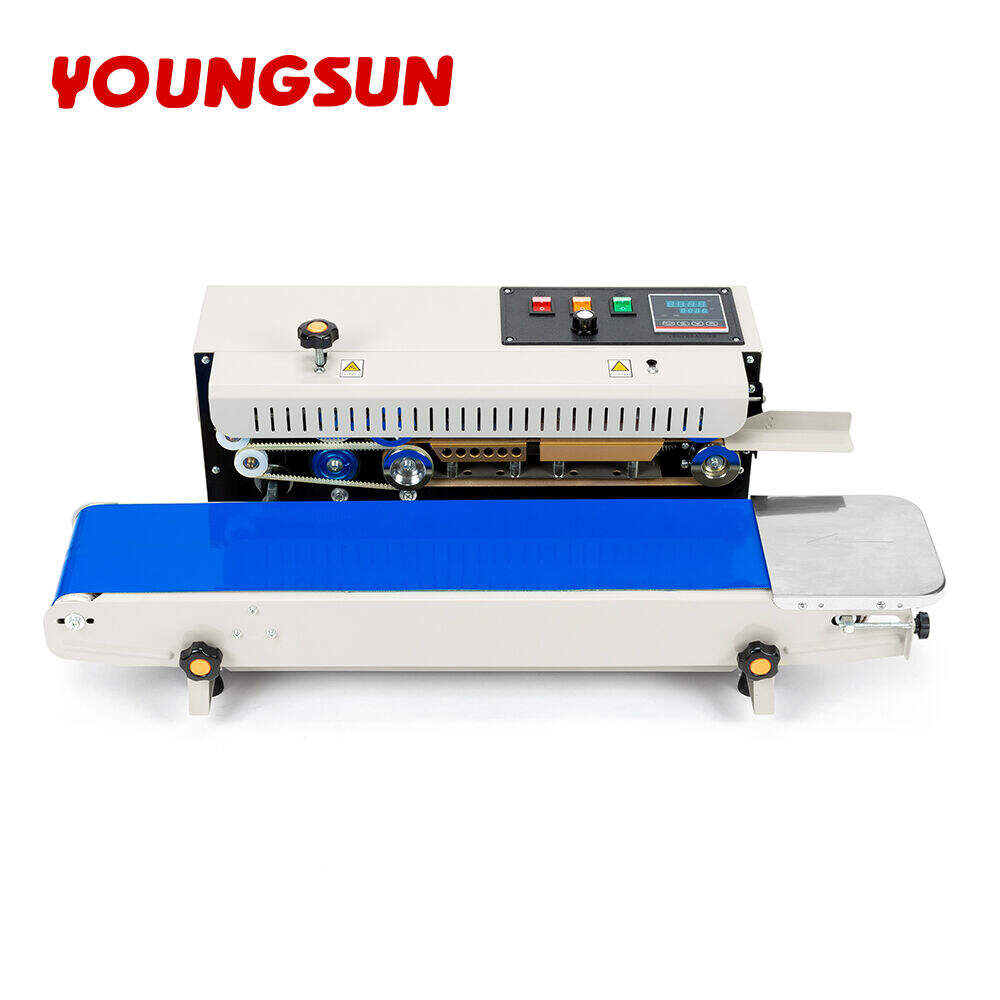
Ergonomic Hurdles and Structural Vulnerabilities in End-of-Line Bag Sealing Operations
Processing Inefficiencies of Systems Lacking an Ergonomic Band Sealer Floor Stand
Maintaining strict throughput consistency inside high-volume pouch fulfillment facilities, food assembly operations, or industrial chemical packaging plants requires a continuous focus on machinery adaptability. When production floor managers, packaging engineers, or warehouse coordinators attempt to mount a heavy-duty continuous Band Sealer on a completely fixed, unyielding steel workbench, processing lines immediately encounter severe structural flexibility limitations. Integrating a robust, height-adjustable floor stand directly into the secondary packaging layout resolves these specific throughput bottlenecks by aligning the processing elevation perfectly with incoming conveyor feeds. Relying on makeshift wooden spacers, fixed tables, or manual lifting instead of a calibrated, mechanically synchronized support frame introduces major operational liabilities, including erratic bag feeding angles, persistent pouch jams at the heating block entryway, and noticeable aesthetic seal variations that diminish retail shelf appeal.
Analyzing Operational Risks: Seal Misalignment, Product Spillage, and Worker Fatigue
A primary mechanical hazard in packaging departments utilizing static machine elevations stems from the mismatch between variable bag lengths and the fixed plane of the sealing throat. When processing heavy, multi-kilogram stand-up pouches, any minor deviation between the bottom of the bag on the conveyor and the sealing bands creates a destructive shearing force along the top opening. This structural stress causes the bag material to pucker, ripple, or fold unevenly during the thermal fusion phase, leading to microscopic pinhole leaks, immediate package rejects, and expensive product spillage across the factory floor. Furthermore, making operators bend, strain, or lift heavy materials constantly to feed a static machine violates baseline workplace safety principles, leading to carpal tunnel issues, repetitive strain injuries (RSI), and significant legal liabilities under local occupational health guidelines.
Specialty Grain Roastery: Optimizing Multi-Spec Packaging Lines via Height Adjustability
Practical shop floor experience within the organic agricultural and specialty coffee roasting industry demonstrates the immense commercial value of shifting from legacy static workstations to fully adjustable packaging support systems. A prominent regional food producer handling diverse pouch configurations—ranging from small 250-gram sampler bags to heavy 5-kilogram bulk catering sacks—audited its secondary sealing department after identifying high product rejection rates due to weak seal integrity and low operator output during peak harvest seasons. The facility previously utilized a static benchtop layout where workers had to manually adjust the height of the entire conveyor module via heavy bolts for every product changeover, creating extensive line downtime and severe processing bottlenecks. The technical operations group resolved this recurring bottleneck by deploying an industrial-grade Band Sealer mounted on an integrated, counterbalanced height-adjustable stand equipped with a precise mechanical hand-crank assembly. Within nine months of full production integration, the compact processing plant eliminated packaging seal failures entirely, reduced product changeover times from twenty minutes down to less than thirty seconds, and achieved a total throughput increase of thirty-five percent per shift.
Mechanical Principles and Electro-Thermal Dynamics of Variable-Height Pouch Sealing
Thermal Conduction, Pressure Wheel Mechanics, and Synchronized Conveyor Tracking
Achieving airtight seals and maintaining absolute polymer bonding consistency across various laminate structures requires a precise understanding of thermal conduction, dwell time, and pressure dynamics. A professional-grade continuous Band Sealer utilizes dual heating blocks made from high-conductivity brass to transfer thermal energy uniformly through moving Teflon bands into the pouch film. This targeted heat application brings the inner thermoplastic liner of the packaging material to its exact melting point instantly. As the bag passes beyond the heating zones, synchronized pressure wheels compress the molten polymer sheets together at a molecular level, forming a solid, permanent barrier seal. If the machine height is not set correctly relative to the product mass, the pouch can twist or tilt within the drive belts, causing uneven pressure distribution and catastrophic structural failures under standard shipping stress.
Gravity-Induced Fluid Dynamics and Center-of-Gravity Stabilization Technology
When packaging free-flowing liquids, fine powders, or dense granular substances, the physical interaction between gravity and the pouch material becomes a critical factor in seal quality. If a thick, filled gusseted pouch is not supported properly from underneath by a perfectly leveled conveyor belt, the heavy internal mass shifts downward, causing the top portion of the film to slip out of the sealing guide. Utilizing a height-adjustable stand allows technicians to establish an optimal physical alignment where the conveyor bed carries ninety-five percent of the product mass, leaving the sealing throat to handle only the top film orientation. This careful configuration stabilizes the center of gravity of the package, stops internal contents from splashing or dusting onto the heating elements, and ensures complete barrier protection without requiring slow manual hand-holding during the thermal cycle.
Engineering Safety Directives and International Operational Compliance Standards
Sourcing automated secondary packaging assets and heavy-duty positional hardware for modern commercial facilities requires complete compliance with international public safety rules, material handling regulations, and structural build guidelines. Procurement teams evaluating an industrial Band Sealer installation must verify full alignment with recognized regulatory frameworks, including OSHA workplace safety standards for rotating machinery parts, ISO 12100 machinery risk assessment parameters, and CE or ANSI specifications regarding mechanical stability and anti-tipping structural design. These strict international protocols establish explicit rules for structural wall thickness, load-bearing capacities, and emergency deceleration safety mechanisms. Adhering to these comprehensive engineering metrics ensures that high-volume packaging lines can process multiple product runs safely, passing routine corporate insurance evaluations and state safety inspections without delay.
Strategic Capital Sourcing Metrics and Lifelong Machine Calibration Protocols
Sourcing Benchmarks for High-Mix, Variable-Mass Flexible Packaging Environments
Selecting a dependable hardware production partner requires a detailed evaluation of chassis structural steel gauge, locking mechanism rigidity, and vertical displacement mechanics rather than focusing on basic low-cost consumer equipment assemblers. Supply chain specialists buying long-term packaging infrastructure must confirm that a manufacturer utilizes heavy-walled, powder-coated steel or structural stainless steel stands equipped with dual-column locking collars to stop creeping or sliding during continuous, multi-shift vibrations. Choosing stand configurations built with smooth-rolling, industrial-grade locking casters ensures that floor operators can relocate the sealing station across different filling zones easily, maximizing total asset utilization. Sourcing specialists must also check adjustment interfaces, prioritizing counterbalanced gas-strut assists or heavy-duty screw jack designs that allow a single technician to modify system heights safely and efficiently.
Maintenance Checklists, Optoelectronic Leveling, and Belt Tension Diagnostics
The ongoing performance precision and structural longevity of automated flexible packaging machinery rely on structured preventive maintenance schedules and regular physical calibration routines. Over months of intensive continuous operation, ambient dust from products can build up inside vertical guide rails, while repetitive physical loading can cause minor alignment shifts in the conveyor bed if left uninspected. Plant maintenance directors should establish weekly cleaning schedules to wipe down lifting columns, lubricate lead screws, and check optoelectronic sensors for proper positioning. Standardizing on regular validation procedures—such as inspecting Teflon band tracking paths, checking heating element resistance with digital multi-meters, and verifying stand perpendicularity using precision bubble levels—stops unexpected machinery downtime, extends the operational lifecycle of internal components, and ensures every packaging asset delivers clean, dependable product protection.
Choosing a Reliable Storage Solution Partner
Building a highly resilient and productive flexible packaging environment across global industrial markets requires a dependable machinery partner capable of delivering consistent material quality and steady supply chain support. Sourcing heavy-duty continuous Band Sealer configurations from producers with deep engineering expertise and advanced fabrication facilities ensures that every deployed asset performs reliably under heavy shift use and strict environmental routines. This is where aligning with an established global manufacturer like YOUNGSUN provides exceptional long-term value. With sophisticated production infrastructure and a strong focus on precise quality管理, YOUNGSUN consistently provides premium thermal sealing and bag handling selections designed to meet rigid international safety and commercial performance standards. Partnering with a globally integrated manufacturer gives light industrial enterprises reliable access to a robust equipment catalog, deep customization expertise, and consistent construction quality that keeps facility expansions moving smoothly year after year.
Frequently Asked Questions
Why is a height-adjustable stand necessary for an industrial continuous Band Sealer?
An adjustable stand allows operators to align the sealing mechanism perfectly with the height of different pouch sizes and incoming conveyor lines. This precise alignment eliminates material twisting, prevents pouch mouth deformation, and ensures a uniform, airtight thermal seal across various package dimensions.
How does proper machine elevation alignment prevent product spillage during the packaging process?
When the machine height matches the pouch height precisely, the conveyor bed supports the full weight of the product. This layout prevents the bag from tilting or slipping, stopping fine powders or liquids from splashing into the sealing throat and keeping heating blocks free from contamination.
Which international standards govern the stability and safety of adjustable machinery stands?
Industrial equipment stands must comply with ISO 12100 machinery safety directives, OSHA workplace safety regulations, and relevant CE structural standards. These engineering benchmarks guarantee that the stand can handle maximum load capacities and resist tipping during continuous, multi-shift production operations.
Can a single operator adjust the height of a heavy-duty packaging stand safely?
Yes, industrial stands engineered with counterbalanced gas-struts, hydraulic lifts, or heavy-duty mechanical hand-cranks allow a single technician to modify machine elevation easily. These ergonomic designs eliminate heavy manual lifting, reducing workplace strain and speeding up product changeover times.
What routine maintenance prevents the vertical adjustment mechanism from sticking or jamming?
Maintenance crews should clean the vertical guide columns weekly to remove dust, inspect locking collars for wear, and apply food-grade lubricants to the lead screws. Keeping these moving parts clean prevents mechanical friction and ensures smooth height adjustments over years of hard service.
How do dual-column locking collars improve safety on a continuous packaging line?
Dual-column locking collars grip the support posts tightly at two distinct points, creating a redundant mechanical hold. This structural configuration prevents the sealing head from slipping or dropping unexpectedly due to heavy operational vibrations, protecting both the operator and the products.
Does the height of the stand affect the performance of the cooling blocks inside the machine?
Indirectly, yes. If the stand is misaligned, the bag material will rub unevenly against the cooling bars, causing uneven heat dissipation and wrinkles. Correct vertical alignment ensures that the pouch passes smoothly through the cooling zones, setting the plastic polymer perfectly.
What critical indicators suggest that a sealing machine stand needs structural recalibration?
Signs such as visible frame tilting, binding or grinding noises during height adjustments, or inconsistent bag feeding tracking indicate a need for inspection. Checking frame levelness and tightening structural fasteners immediately prevents premature component wear and maintains high packaging yields.
Table of Contents
- Ergonomic Hurdles and Structural Vulnerabilities in End-of-Line Bag Sealing Operations
- Mechanical Principles and Electro-Thermal Dynamics of Variable-Height Pouch Sealing
- Strategic Capital Sourcing Metrics and Lifelong Machine Calibration Protocols
- Choosing a Reliable Storage Solution Partner
-
Frequently Asked Questions
- Why is a height-adjustable stand necessary for an industrial continuous Band Sealer?
- How does proper machine elevation alignment prevent product spillage during the packaging process?
- Which international standards govern the stability and safety of adjustable machinery stands?
- Can a single operator adjust the height of a heavy-duty packaging stand safely?
- What routine maintenance prevents the vertical adjustment mechanism from sticking or jamming?
- How do dual-column locking collars improve safety on a continuous packaging line?
- Does the height of the stand affect the performance of the cooling blocks inside the machine?
- What critical indicators suggest that a sealing machine stand needs structural recalibration?