EN
EN

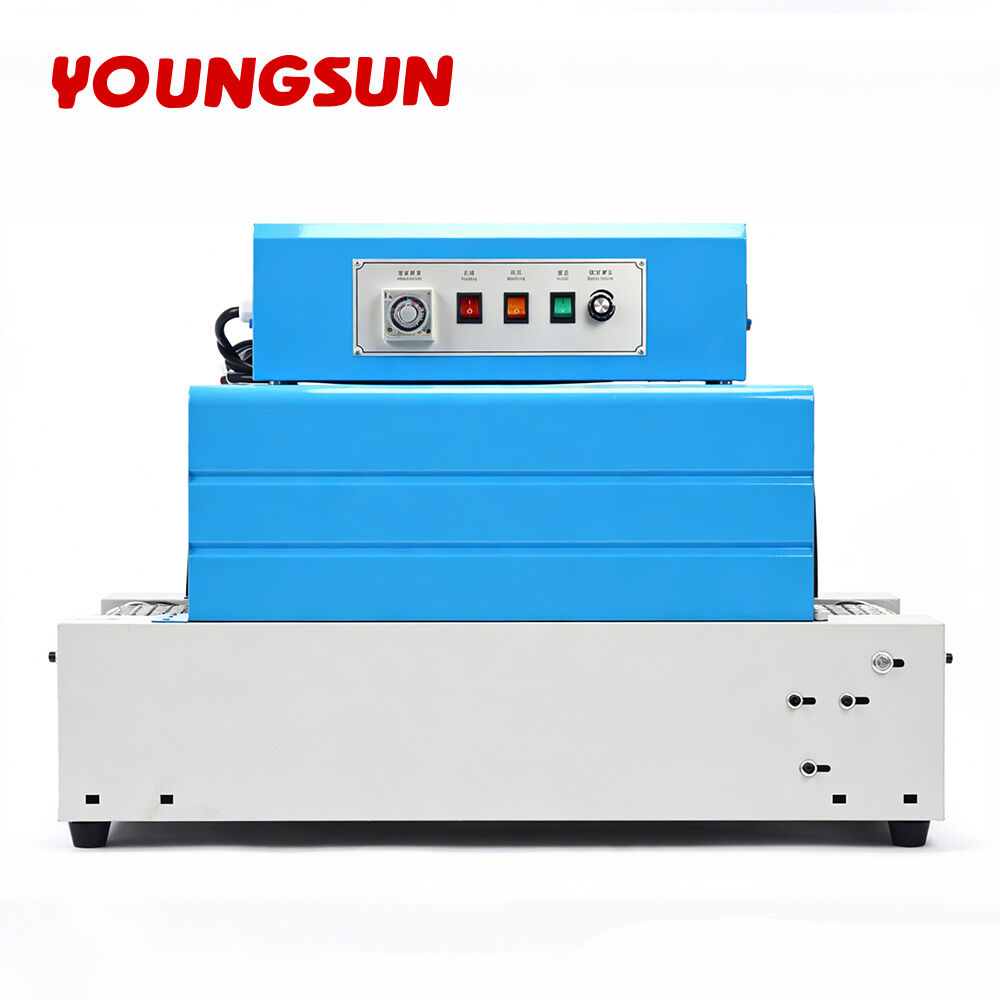
Identifying Energy Drain and Operational Weaknesses in Thermal Packaging
The Financial and Environmental Burden of Poor Shrink Tunnel Insulation in a Heat Shrink Machine
Escalating energy costs and strict environmental mandates place a heavy burden on modern high-volume manufacturing facilities. In tertiary packaging sectors, thermal shrink wrapping operations represent a significant source of electricity consumption. Operating an older or poorly calibrated Heat Shrink Machine often leads to unnecessary power draw, reduced floor efficiency, and compressed profit margins. When a shrink tunnel lacks proper thermal management, the heating elements must draw continuous power to replace heat that continuously leaks into the surrounding factory floor. This structural deficiency increases energy bills, strains local cooling systems, and subjects factory staff to uncomfortably hot working conditions.
Analyzing Product Defects and Mechanical Risks from Inconsistent Heat Zones
A major oversight among packaging line managers is looking strictly at immediate equipment speeds rather than evaluating total operational energy metrics. Unstable thermal zones within a shrink tunnel create uneven film retraction, introducing structural weaknesses into bundled goods. Minor fluctuations in internal airflow speed lead to dog-ears, fish-eyes, or completely unsealed film edges on a packaged asset. For beverage production plants or logistics centers processing heavy multipacks, inconsistent heat profiles cause immediate transit damage and high scrap rates. Implementing an advanced industrial setup incorporating a high-efficiency Heat Shrink Machine balances internal heat distribution, stabilizes output quality, and curbs energy consumption.
Real-World Beverage Packaging Energy Optimization Analysis
Practical application in automated beverage packaging demonstrates the financial benefits of upgrading legacy thermal preservation systems. A regional juice distribution facility operating a high-speed bottling line audited its packaging cell after recording soaring electricity bills and high volumes of wrinkled film bundles. The line relied on a legacy shrink system that required constant heater activation at maximum wattage to counteract cold drafts from entry and exit curtains, resulting in a twenty percent energy waste rate. The operations team resolved this issue by integrating an automated packing line incorporating an energy-efficient Heat Shrink Machine equipped with dual-stage silicon fiber curtains and a recirculating hot-air chamber. Within ninety days of deployment, the facility slashed utility costs by thirty-five percent on that specific line while cutting manual packaging rework by eighty percent. The facility preserved product presentation standards and expanded its daily dispatch capacity without exceeding local factory power allocation.
Technical Mechanics of Thermal Efficiency and Airflow Dynamics
The Physics Behind Recirculating Airflow and Heat Retention
Achieving consistent thermal performance requires a deep understanding of thermodynamics and velocity profile engineering. High-efficiency shrink systems rely on heavy-duty, dynamically balanced centrifugal blowers that continuously recirculate heated air through localized air ducts. Rather than venting exhaust air into the plant, energy-efficient configurations force the air back past the heater banks of the Heat Shrink Machine, minimizing the energy required to maintain the preset temperature. This engineering choice demands precise chamber aerodynamics, as a minor drop in static pressure or an imbalance in velocity distribution can result in uneven film shrinking and increased power consumption.
Advanced Structural Insulation Layering and Curtain Chemistry
To eliminate heat migration across continuous high-velocity packaging operations, the tunnel housing must utilize advanced multi-layered insulation. Professional-grade production machinery integrates high-density rockwool panels sandwiched between dual-plate steel walls, creating a tight thermal break. At the tunnel boundaries, custom-molded silicon fiber curtains act as physical dams to trap air inside the core chamber. This composite layout ensures the outer shell of the Heat Shrink Machine remains cool to the touch, which directly aligns with international occupational safety benchmarks while preventing thermal loss during high-volume conveyor runs.
Compliance Frameworks and Industrial Efficiency Standards
Navigating equipment procurement for modern production facilities requires strict alignment with global engineering benchmarks and factory safety regulations. Regulatory bodies like ISO 14001 environmental systems and OSHA thermal safety protocols guide the design parameters of industrial heating equipment. These international rules dictate maximum exterior surface temperatures and require robust electrical safety integration. Furthermore, heating elements must withstand continuous thermal cycling, enduring thousands of operational hours without suffering micro-fractures, scale build-up, or resistance degradation along internal wiring tracks, thereby protecting the heating circuit over extended lifecycles.
5 Practical Methods to Maximize Shrink Tunnel Energy Efficiency
Integrating Precision Variable Frequency Drives on Blower Motors
Standard fixed-speed motors pull maximum electrical currents regardless of the actual product throughput on the conveyor bed. Replacing old starters with variable frequency drives (VFDs) allows operators to synchronize fan speeds with production volume within a modern Heat Shrink Machine setup. When the line experiences a temporary gap in product inflow, the VFD automatically drops the motor speed to a baseline holding pattern, saving significant amounts of electricity over a typical multi-shift operation.
Upgrading to Smart Digital PID Temperature Controllers
Traditional on-off thermostats cause wide temperature swings inside the chamber, drawing massive current spikes every time the heating elements switch back on. Modern energy-saving protocols utilize Proportional-Integral-Derivative (PID) controllers to calculate exact power needs based on continuous thermal feedback loops. This constant regulation provides a stable micro-climate inside the tunnel of the Heat Shrink Machine, eliminating energy surges and preventing film burn-through during minor line stoppages.
Optimizing Air Jet Geometries and Directional Baffle Placements
Improperly directed air streams waste heat by warming structural conveyor chains rather than the wrapping film itself. Adjusting internal louvers and directional baffles focuses the high-velocity hot air precisely onto the top, bottom, and sides of the moving package. This targeted delivery allows operators to drop the baseline temperature setting by ten to fifteen degrees Celsius without sacrificing film shrinkage quality or reducing overall line velocity.
Utilizing High-Density Composite Thermal Curtains at Entry Points
Standard PVC flaps warp, stiffen, and split after prolonged exposure to internal heat, leaving large gaps where hot air escapes into the factory floor. Upgrading to heavy-duty, multi-layered silicon-coated fiberglass curtains creates a tight thermal seal at both ends of the tunnel chamber. These advanced flexible barriers mold seamlessly around incoming packages, keeping the heated air trapped where it is needed most.
Implementing Automatic Standby Modes and Eco-Scheduling
Leaving a thermal tunnel running at full production temperature during lunch breaks, shift changes, or scheduled maintenance windows wastes thousands of kilowatt-hours annually. Modern control software includes automated eco-modes that drop the chamber temperature to a low energy holding level after ten minutes of idle conveyor activity. A simple tap on the touch screen quickly restores full production heat just as upstream products arrive.
Strategic Sourcing Frameworks and Equipment Lifetime Maintenance
Crucial Evaluation Benchmarks for Industrial Sourcing Teams
Selecting a dependable equipment manufacturing partner requires analyzing precise fabrication tolerances, thermal boundary designs, and control software flexibility rather than chasing uncertified hardware. Sourcing teams must confirm that a manufacturer integrates reliable, universally accessible electronic components from recognized global automation leaders. Utilizing open-architecture operating systems ensures that plant technicians can modify parameters, perform diagnostics, and source replacement sensors locally if necessary. Sourcing specialists should also evaluate the structural layout of the internal conveyor frame, prioritizing suppliers who use cast chain links over light stamped metal grids to minimize thermal distortion risks over decades of heavy service. Investing in an advanced Heat Shrink Machine ensures a low total cost of ownership and delivers a highly reliable packaging infrastructure for the production floor.
Choosing a Reliable Storage Solution Partner
Building a highly resilient and energy-efficient product packaging line requires a dependable engineering partner capable of delivering consistent material quality and steady global supply chain support. Sourcing processing infrastructure from producers with deep mechanical expertise and advanced fabrication facilities ensures that every deployed asset performs reliably under heavy daily production loads. This is where aligning with an established global manufacturer like YOUNGSUN provides exceptional long-term value. With sophisticated production infrastructure and a strong focus on precise quality management, YOUNGSUN consistently provides durable Heat Shrink Machine configurations designed to meet rigid international safety and efficiency protocols. Partnering with a globally integrated manufacturer gives packaging enterprises reliable access to a robust equipment catalog, steady technical support, and consistent construction quality that keeps production lines moving smoothly year after year.
Frequently Asked Questions
What are the main factors driving high energy consumption in a Heat Shrink Machine?
High energy draw typically stems from poor chamber insulation, worn entry curtains, and unoptimized airflow circulation. When heat constantly escapes into the surrounding factory floor, the electrical heating banks must run continuously at maximum wattage to maintain the necessary shrinking temperature, driving up facility utility expenses.
How do variable frequency drives help reduce electricity usage in thermal packaging?
Variable frequency drives allow plant technicians to adjust blower motor speeds based on real-time production volumes. Instead of running at maximum velocity during product gaps or line delays, the motors automatically slow down, conserving significant amounts of electrical energy during a shift.
Why is a PID controller superior to a standard on-off thermostat?
A PID controller utilizes advanced algorithms to continuously adjust power input based on real-time thermal sensors inside the chamber. This eliminates the massive electrical current spikes and wide temperature swings associated with traditional thermostats, resulting in smoother energy usage and more consistent film shrinking.
How often should plant maintenance teams replace internal thermal curtains?
Technical guidelines suggest inspecting entry and exit curtains monthly for signs of tearing, warping, or stiffening. Replacing worn curtains every twelve to eighteen months ensures the tunnel keeps heat trapped inside the core chamber, preventing energy waste and protecting nearby staff from ambient heat.
Can adjusting internal air jets lower the required operational temperature?
Yes, optimizing internal louvers and air jet directions focuses high-velocity hot air exactly onto the film surfaces. This concentrated delivery increases thermal efficiency, allowing operators to lower the baseline chamber temperature by up to fifteen degrees Celsius while maintaining perfect package tight seals.
What is the exact function of an automated standby mode in packing lines?
An automated standby mode automatically drops the internal tunnel temperature to a low-energy holding pattern when the conveyor system remains idle for a set period. This prevents the heating elements from wasting electricity during shift changes, breaks, or upstream product delays.
Why is high-density rockwool insulation preferred over basic fiberglass layers?
High-density rockwool provides superior thermal resistance and structural stability under continuous high-temperature exposure. It prevents heat migration through the tunnel walls far more effectively than thin fiberglass, keeping the outer shell cool and minimizing ambient energy losses.
How does proper conveyor chain lubrication impact overall machine energy efficiency?
Regular lubrication with high-temperature synthetic oils reduces mechanical friction between the conveyor chain and the internal drive gears. Dropping this resistance lowers the mechanical workload on the primary drive motor, reducing its electrical current draw and extending the lifecycle of the transmission components.
Table of Contents
- Identifying Energy Drain and Operational Weaknesses in Thermal Packaging
- Technical Mechanics of Thermal Efficiency and Airflow Dynamics
-
5 Practical Methods to Maximize Shrink Tunnel Energy Efficiency
- Integrating Precision Variable Frequency Drives on Blower Motors
- Upgrading to Smart Digital PID Temperature Controllers
- Optimizing Air Jet Geometries and Directional Baffle Placements
- Utilizing High-Density Composite Thermal Curtains at Entry Points
- Implementing Automatic Standby Modes and Eco-Scheduling
- Strategic Sourcing Frameworks and Equipment Lifetime Maintenance
- Choosing a Reliable Storage Solution Partner
-
Frequently Asked Questions
- What are the main factors driving high energy consumption in a Heat Shrink Machine?
- How do variable frequency drives help reduce electricity usage in thermal packaging?
- Why is a PID controller superior to a standard on-off thermostat?
- How often should plant maintenance teams replace internal thermal curtains?
- Can adjusting internal air jets lower the required operational temperature?
- What is the exact function of an automated standby mode in packing lines?
- Why is high-density rockwool insulation preferred over basic fiberglass layers?
- How does proper conveyor chain lubrication impact overall machine energy efficiency?