 EN
EN

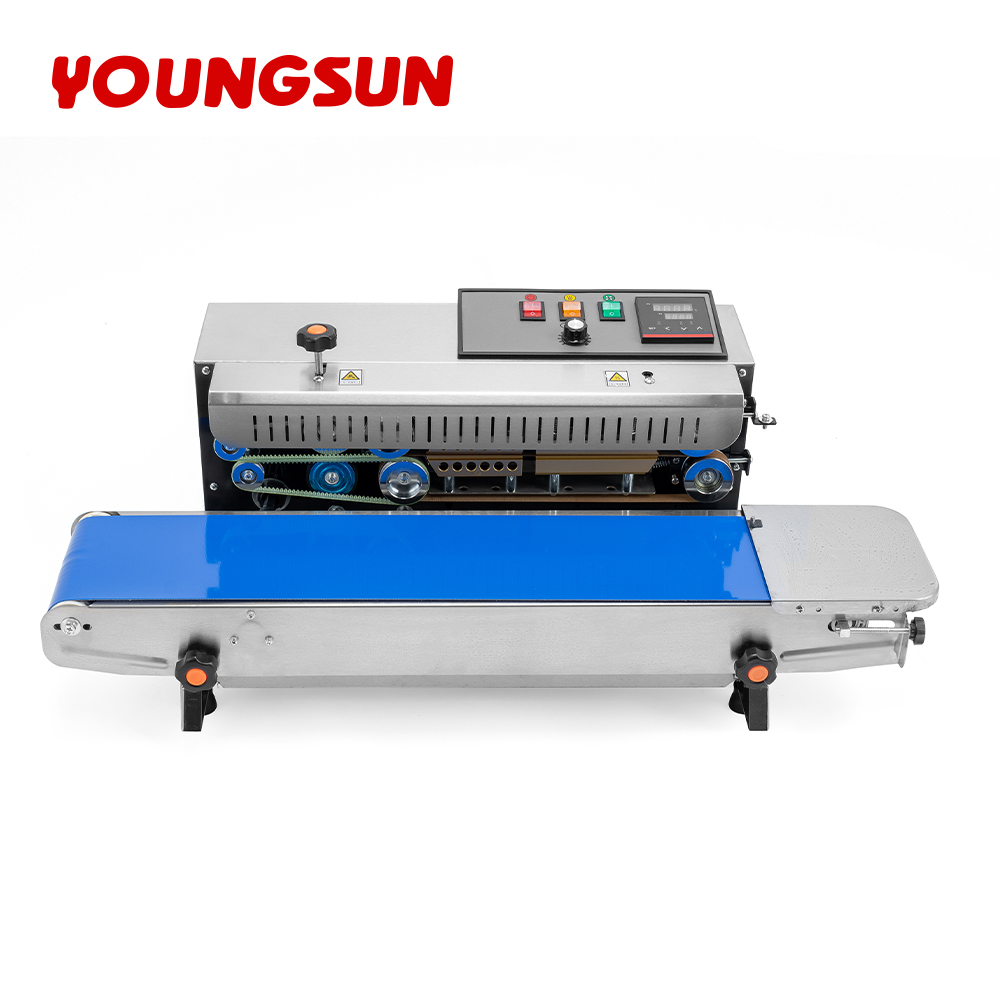
Why Is Your Sealing Machine Not Heating Properly?
A food packaging plant lost an entire shift when their sealing machine stopped heating mid-run. The operator noticed the seal quality deteriorating—weak, incomplete seals that failed the leak test. By the time someone checked the temperature display, the heating element had cooled to room temperature. The machine had been running cold for over an hour, and 800 packages needed rework.
A sealing machine that does not heat is a production stopper. The cause is usually straightforward—a failed heating element, a faulty temperature controller, or a blown thermal fuse. Knowing where to look saves hours of diagnostic time and gets production back online faster.
The Heating System – How It Works
Most industrial sealing machines use electric resistance heating. A heating element—typically a metal rod or band with internal resistance wire—generates heat when current passes through it. A temperature sensor (thermocouple or RTD) monitors the temperature and sends signals to a temperature controller. The controller cycles power to the heating element to maintain the set temperature.
This closed-loop system has several components that can fail. Understanding each helps narrow down the problem quickly.
The Heating Element – The Most Common Failure
Heating elements have a finite lifespan. They cycle between hot and cold, expand and contract, and eventually break. The failure is usually an open circuit—the internal resistance wire snaps, and current stops flowing.
Testing a heating element requires a multimeter. Disconnect power, remove the element leads, and measure resistance. A reading of infinite resistance (OL) means the element is broken and needs replacement. A reading within the manufacturer's specification (typically 20–200 ohms, depending on the element) means the element is likely good.
Elements can also fail by shorting to ground—usually caused by insulation breakdown. This creates a dangerous condition that can trip circuit breakers. If the multimeter shows continuity between the element terminals and the element housing, replace it immediately.
Temperature Controller – The Brains of the System
The temperature controller translates sensor readings into heating commands. If the controller fails, the sealing machine may not heat at all, or may heat continuously without regulation.
First, check the controller display. If it is blank, check power supply and fuses. If the display shows an error code, consult the machine manual for the code meaning. Common controller issues include:
- Sensor input failure: The controller cannot read the thermocouple signal. Check sensor wiring and connections.
- Output relay failure: The relay that switches power to the heating element sticks open or closed. A stuck-open relay means no heat; a stuck-closed relay means runaway heating.
- Configuration loss: Some controllers lose settings during power surges. Verify that set temperature and control parameters are correct.
Thermal Fuse – The Safety Device
Many sealing machines include a thermal fuse—a one-time safety device that opens if the machine overheats. Unlike a circuit breaker, a thermal fuse cannot be reset; it must be replaced.
A blown thermal fuse indicates that the machine exceeded its maximum safe temperature. This can happen if the temperature controller fails in the "on" position, if the temperature sensor is disconnected, or if there is a short circuit in the heating element circuit.
Before replacing the thermal fuse, identify and correct the root cause of the overheating. Otherwise, the new fuse will blow again.
Thermocouple or RTD – The Temperature Sensor
The temperature sensor tells the controller how hot the sealing element is. If the sensor fails, the controller may read an incorrect temperature—often reading too low, causing the controller to apply continuous heat, or reading too high, causing no heat at all.
Test the sensor by measuring its resistance or voltage output at room temperature and comparing to specification tables. A sensor that reads open or shorted needs replacement. Also check that the sensor is properly positioned and making good thermal contact with the heating element.
Wiring and Connections
Loose or corroded connections cause intermittent heating or no heating at all. Inspect all wiring from the power supply to the controller, from the controller to the heating element, and from the sensor to the controller.
Pay special attention to high-current connections—the terminals where the heating element connects. These connections experience thermal cycling and can loosen over time. Tighten any loose terminals and clean any corrosion.
Environmental Factors
Cold ambient temperatures can affect sealing machine performance. The machine may take longer to reach operating temperature, or may struggle to maintain temperature if the heating element is undersized for the environment.
Dust and debris on the heating element or sensor can insulate them, reducing heat transfer and causing inaccurate readings. Keep the heating area clean and free of packaging material buildup.
When a Machine Would Not Heat – A Case Study
A medium-sized contract packaging company was sealing polypropylene bags on a band sealer. One morning, the sealing machine would not reach temperature. The display showed the set point, but the actual temperature remained at room temperature.
The maintenance technician followed a systematic diagnostic: first, checked the thermal fuse—it was intact. Next, measured the heating element resistance—infinite ohms. The element had failed. Replacement took 20 minutes, and the machine was back in production. The root cause: the element was five years old and had exceeded its expected service life. The company implemented a preventive replacement schedule—changing elements annually—to avoid future unplanned downtime.
Preventive Maintenance for Heating Systems
A few simple practices extend the life of a sealing machine heating system:
- Keep spare heating elements, thermal fuses, and sensors on hand
- Test element resistance during scheduled maintenance
- Inspect wiring connections quarterly
- Clean the heating area monthly to prevent insulation buildup
- Verify temperature calibration annually using a reference thermometer
When to Replace vs. Repair
If multiple heating system components fail in a short period, consider whether the sealing machine is worth repairing. Older machines with obsolete controllers may be difficult to source parts for. Compare repair costs against the cost of a new machine with modern temperature control technology.
Frequently Asked Questions
Why won't my sealing machine heat up?
The most common causes are a failed heating element, a blown thermal fuse, or a faulty temperature controller. Use a multimeter to test the element resistance and check the thermal fuse for continuity.
How do I test a sealing machine heating element?
Disconnect power, remove the element leads, and measure resistance with a multimeter. Infinite resistance means the element is broken. A reading within the manufacturer's specification (typically 20–200 ohms) indicates the element is good.
What causes a thermal fuse to blow?
Overheating caused by a stuck temperature controller relay, a failed temperature sensor, or a short circuit in the heating element. Always identify and fix the root cause before replacing the fuse.
How often should heating elements be replaced?
Heating element lifespan depends on usage. High-volume machines running 8+ hours daily may need replacement annually. Lower-volume operations can extend to 2–3 years. Regular resistance testing helps predict failure.
Can a dirty machine cause heating problems?
Yes. Dust and debris on the heating element or temperature sensor can insulate them, causing inaccurate readings and poor heat transfer. Regular cleaning prevents this issue.
What temperature should a sealing machine be set to?
The correct temperature depends on the packaging material. Polyethylene typically seals at 120–180°C, polypropylene at 140–200°C. Always refer to the material supplier's recommendations and test seals for strength.
Table of Contents
-
Why Is Your Sealing Machine Not Heating Properly?
- The Heating System – How It Works
- The Heating Element – The Most Common Failure
- Temperature Controller – The Brains of the System
- Thermal Fuse – The Safety Device
- Thermocouple or RTD – The Temperature Sensor
- Wiring and Connections
- Environmental Factors
- When a Machine Would Not Heat – A Case Study
- Preventive Maintenance for Heating Systems
- When to Replace vs. Repair
- Frequently Asked Questions
