 EN

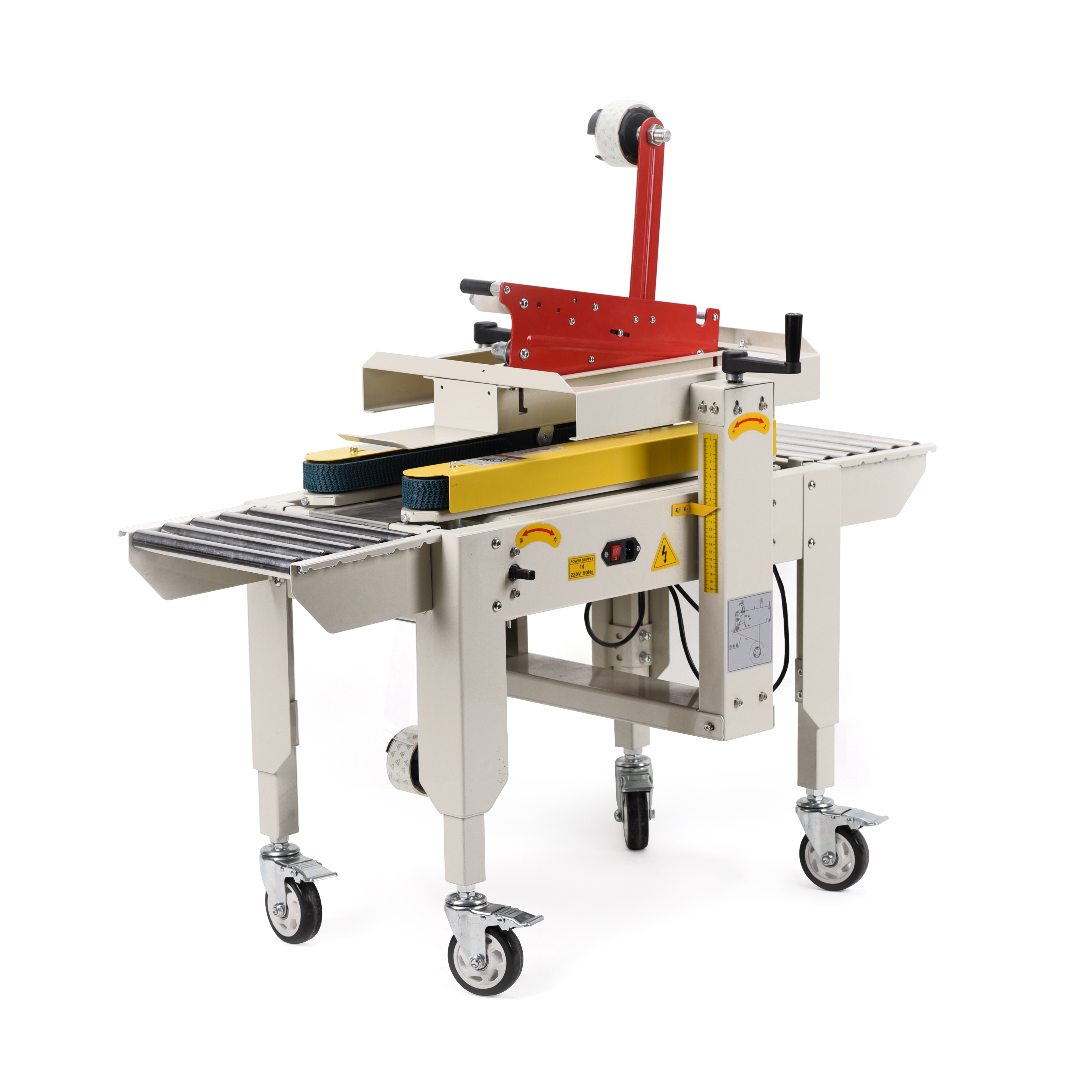
Surface Contamination: The #1 Cause of Adhesive Failure in Carton Sealing
Surface contamination is the leading root cause of tape peel after carton sealing because it prevents adhesive from wetting corrugated fibers. Even a properly adjusted carton sealing machine cannot compensate for dust, oil, moisture, or coating layers between tape and board.
Dust, Oil, and Residue Blocking Micro-Adhesion on Corrugated Surfaces
Corrugated board may look clean yet still carry a micro-layer of dust, oil, or release residue from die-cutting, conveying, or manual handling. Tape adhesive must wet the fiber surface to create micro-adhesion; any contaminant film blocks direct contact. Adhesion testing shows that even a monomolecular hydrocarbon layer can displace adhesive from the substrate, leaving only weak van der Waals forces (Packaging Adhesion Review 2026). On high-speed lines, dust from flap folding and oil from air lines or gearboxes can settle exactly where tape is applied. The result is often interfacial peel: tape removes cleanly, with little fiber tear on the adhesive side. Recycled corrugate adds another risk because it may contain residual coatings or fines from previous processing. Inspect flap edges before tape application and wipe them if contamination is visible. Regular cleaning of folding guides, rollers, and flap contact surfaces reduces this transfer risk. If peel occurs only on one flap, contamination on that contact point is often the cause.
Moisture, Condensation, and Humidity-Induced Bond Degradation
Moisture is a direct bond blocker. When corrugated cartons are stored in humid areas or move from cold to warm zones, condensation forms on flap surfaces. Water resists acrylic tape wetting; adhesive cannot displace moisture, so it floats on a thin water film. Humidity above 70% can also soften recycled corrugate fibers, reducing surface strength and causing fiber tear failure rather than clean peel (Corrugated Packaging Test 2026). In extreme cases, moisture freezes in cold-chain operations, making tape brittle before adhesion develops. Line operators should check for damp flaps, especially near washdown areas or dock doors. Pre-dry boards or seal in controlled environments. Controlling ambient humidity between 40% and 60% helps stabilize corrugate surfaces. If tape peels after carton sealing and the adhesive side looks watery or frosty, moisture is a likely root cause.
Printed, Coated, or Varnished Cartons: How Ink Layers Inhibit Tape Adhesion
Printed cartons often look smooth, but that smoothness hides poor adhesion. Inks, UV coatings, and varnish form a low-energy film on top of corrugated fibers. Unlike uncoated board, these layers do not absorb tape adhesive; they rely on surface wetting alone. A packaging adhesion study found that some aqueous coatings reduce surface energy below 36 dynes/cm, preventing acrylic tape from forming strong polar bonds (Adhesion Surface Analysis 2026). Tape applied over printed or varnished flaps may peel away with the ink layer intact, indicating interfacial failure at the coating boundary. To improve bonding, tape should be applied to unprinted flap areas or tested on coated stock before carton sealing. If printing must extend under tape, request a coating with higher surface energy or use a tape formulated for low-energy substrates.
Carton Sealing Machine Performance: Pressure, Alignment, and Dwell Time Deficits
Carton sealing machine performance often determines whether tape stays bonded after the carton leaves the line. Even clean corrugated surfaces can fail if pressure, alignment, or dwell time are outside the required range.
Insufficient Application Pressure: Why 20–30 psi Is Critical for Acrylic Tape Activation
Acrylic pressure-sensitive tapes require mechanical pressure to flow into the porous corrugated surface. When the sealing head applies less than 20 psi, the adhesive only touches the highest fibers. This leaves micro-gaps that weaken peel strength under load. Field measurements show bond strength can fall by up to 45 percent when nip pressure drops below this threshold (2026 field packaging audit). The practical activation window for standard acrylic carton sealing tape is 20–30 psi. Pressures above 30 psi rarely improve adhesion; they may crush flute tips on lightweight board. Operators should check air pressure gauges at the nip point rather than only at the supply line. Worn springs, leaking cylinders, and loose fasteners reduce actual force even when the display reads correctly. Regular calibration with a force gauge is the only reliable way to confirm true nip pressure. Without this check, tape may appear fixed but release under transit vibration. Consistent, repeatable pressure ensures the tape wets out the full sealing path.
Worn Rollers, Misaligned Heads, and Inadequate Dwell Time in High-Speed Carton Sealing Machines
High-speed carton sealing machines rely on uniform roller contact to transfer adhesive energy along the center seam. Worn rollers lose their surface texture and contact width. They create uneven pressure bands that leave tape edges weakly bonded. Misaligned heads direct more force onto one flap than the other. The under-pressured side becomes the first point of peel when the carton is handled. Dwell time also drops at high line speeds. On recycled or low-fiber corrugate, contact time can fall below 0.2 seconds—often too short for full adhesive wet-out. At speeds above 30 cartons per minute, setting adjustments become critical. Slowing the line by 5–10 percent for difficult board grades gives the tape more time to flow. Small changes in roller durometer alter contact time and pressure distribution. Regular maintenance records help identify which component is drifting. Replacing rollers according to a scheduled interval, checking head alignment weekly, and using a dwell-time checklist reduce tape peel more effectively than applying longer tape strips.
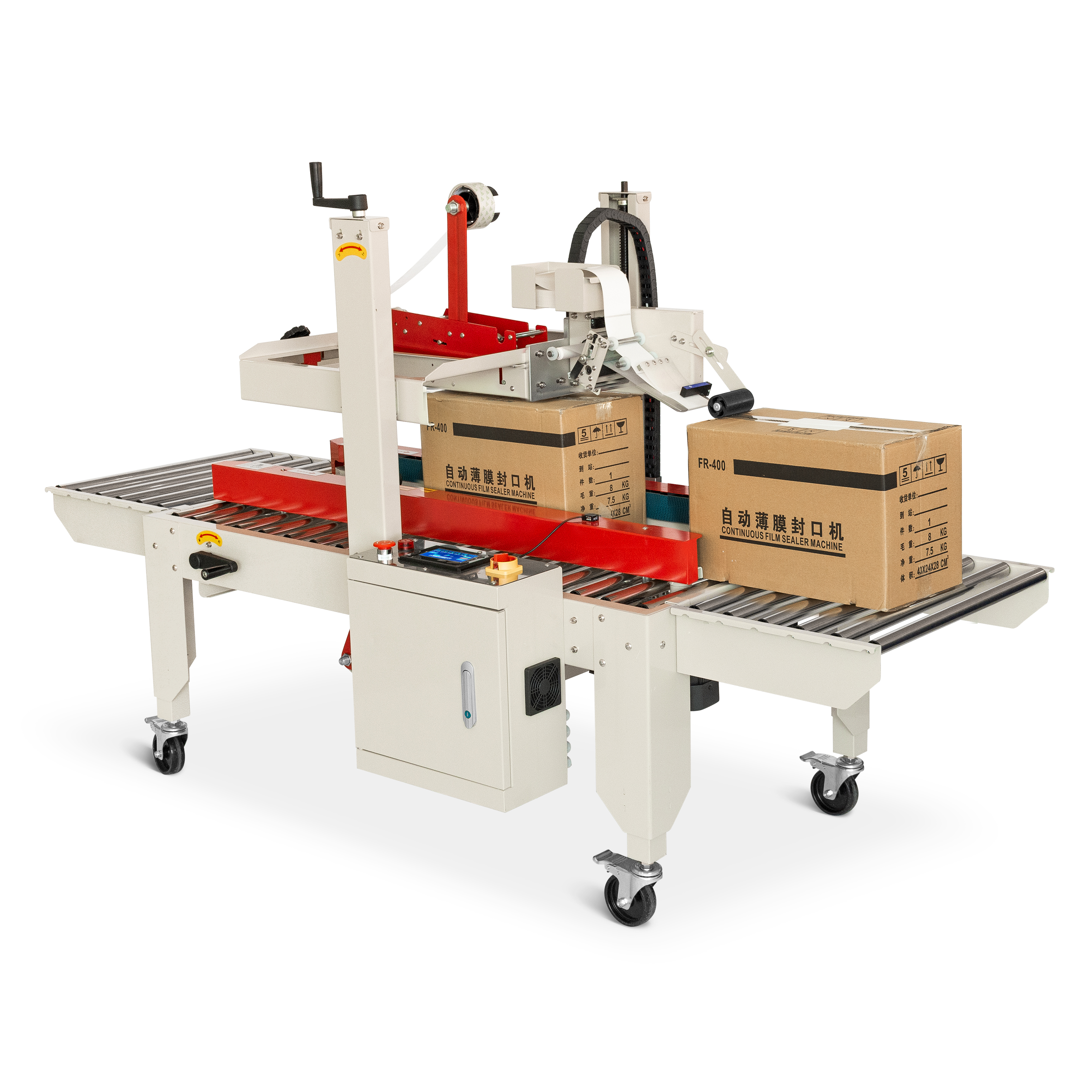
Tape Selection Mismatches: Chemistry, Substrate, and Environmental Compatibility
Hot-Melt vs. Acrylic Tapes on Recycled or Low-Fiber Corrugate
Recycled or low-fiber corrugate often has shorter fibers and higher surface porosity, which weakens mechanical adhesion. Hot-melt tape, with its thick synthetic rubber adhesive, grabs aggressively to high recycled content but can stiffen in cold environments and lose tack below 5°C (41°F). Acrylic tape bonds more slowly but resists UV, moisture, and temperature swings, making it better for long-haul or refrigerated shipping. However, on low-fiber board, acrylic may peel cleanly if the surface fibers detach. A carton sealing machine must match tape chemistry to the substrate’s fiber strength and storage conditions; otherwise, even consistent pressure and correct dwell time will not prevent edge lift. Testing on actual corrugate lots—not just kraft samples—is essential before full production.
Cohesive Splitting vs. Interfacial Peel: Diagnosing Tape Failure Mode
When tape pulls away, look at where separation occurs. Cohesive splitting leaves adhesive residue on both the carton and the tape backing, indicating the adhesive film itself tore—often from excessive stress or degraded adhesive. Interfacial peel leaves no residue on the carton surface; the adhesive releases cleanly from the substrate, pointing to contamination, low surface energy, or insufficient pressure from the sealing head. Diagnose by pressing a fresh tape strip onto the suspect surface: if it still lifts cleanly, treat the surface; if it holds but fails under load, evaluate tape chemistry or machine pressure. Correct diagnosis avoids replacing the wrong component.
Post-Sealing Stressors: Flap Spring-Back, Thermal Cycling, and Handling Forces
Even after a carton sealing machine applies tape at correct pressure and dwell time, post-sealing forces can peel the tape back. Flap spring-back occurs when the major and minor flaps try to return to their original open position after compression. On corrugated boxes, this rebound force can exceed 2–3 N/cm of flap width, especially on recycled or high-caliper board stored in low humidity. To prevent this, operators should maintain compression for at least 0.5–1.0 seconds and use tape with high initial tack.
Thermal cycling adds another layer of stress. Adhesive bonds expand and contract at different rates than the corrugated substrate. Repeated cycles from –20°C to 50°C can reduce peel adhesion by 25–40% within 48 hours, according to ASTM D3330-based packaging adhesive studies (2026). Cartons shipped through unheated trucks or cold storage then into warm warehouses are most at risk. Acrylic tapes generally tolerate wider temperature swings than hot-melt synthetic rubber tapes on heavily printed or coated surfaces.
Finally, manual and mechanical handling forces—conveyor drops, pallet strapping, and fork tine contact—can initiate edge peeling. A single drop from 60 cm can create peel forces of 5–10 N on a sealed seam (ISTA 3A simulation, 2026). To counter handling stress, choose a tape with high shear resistance and ensure the applicator fully wipes the tape edges into the flap crease. Even small gaps at the tape edge will propagate under vibration.
FAQ
Q: Why is surface contamination a major cause of adhesive failure in carton sealing?
A: Surface contamination, such as dust, oil, or moisture, prevents tape adhesive from properly wetting corrugated fibers, which disrupts micro-adhesion and leads to weak bonds.
Q: How does moisture affect adhesive performance in carton sealing?
A: Moisture, including condensation or high humidity, blocks adhesive bonding by creating a water film on the corrugated surface. This reduces tape adhesion and can weaken the corrugate itself in extreme cases.
Q: What role do coatings and varnishes play in reducing tape adhesion?
A: Coatings, varnishes, and inks create a low-energy surface that adhesive struggles to bond with. These can cause peeling with little to no fiber tear, as the adhesive fails at the coating boundary.
Q: How can insufficient application pressure affect adhesion?
A: Low application pressure (less than 20 psi) prevents the adhesive from fully wetting the corrugated surface, leading to weak bonds and reduced durability under stress.
Q: How can tape selection impact carton sealing success?
A: Different tape chemistries, such as hot-melt vs. acrylic, have unique properties. Choosing the wrong type for specific conditions, such as recycled corrugate or temperature-sensitive environments, can lead to adhesive failure.
Q: What post-sealing stressors can cause tape failure?
A: Post-sealing stressors include flap spring-back, thermal cycling, and handling forces. These stresses can weaken or peel tape unless proper techniques, materials, and conditions are used.
Table of Contents
- Surface Contamination: The #1 Cause of Adhesive Failure in Carton Sealing
- Carton Sealing Machine Performance: Pressure, Alignment, and Dwell Time Deficits
- Tape Selection Mismatches: Chemistry, Substrate, and Environmental Compatibility
- Post-Sealing Stressors: Flap Spring-Back, Thermal Cycling, and Handling Forces
- FAQ
