 EN

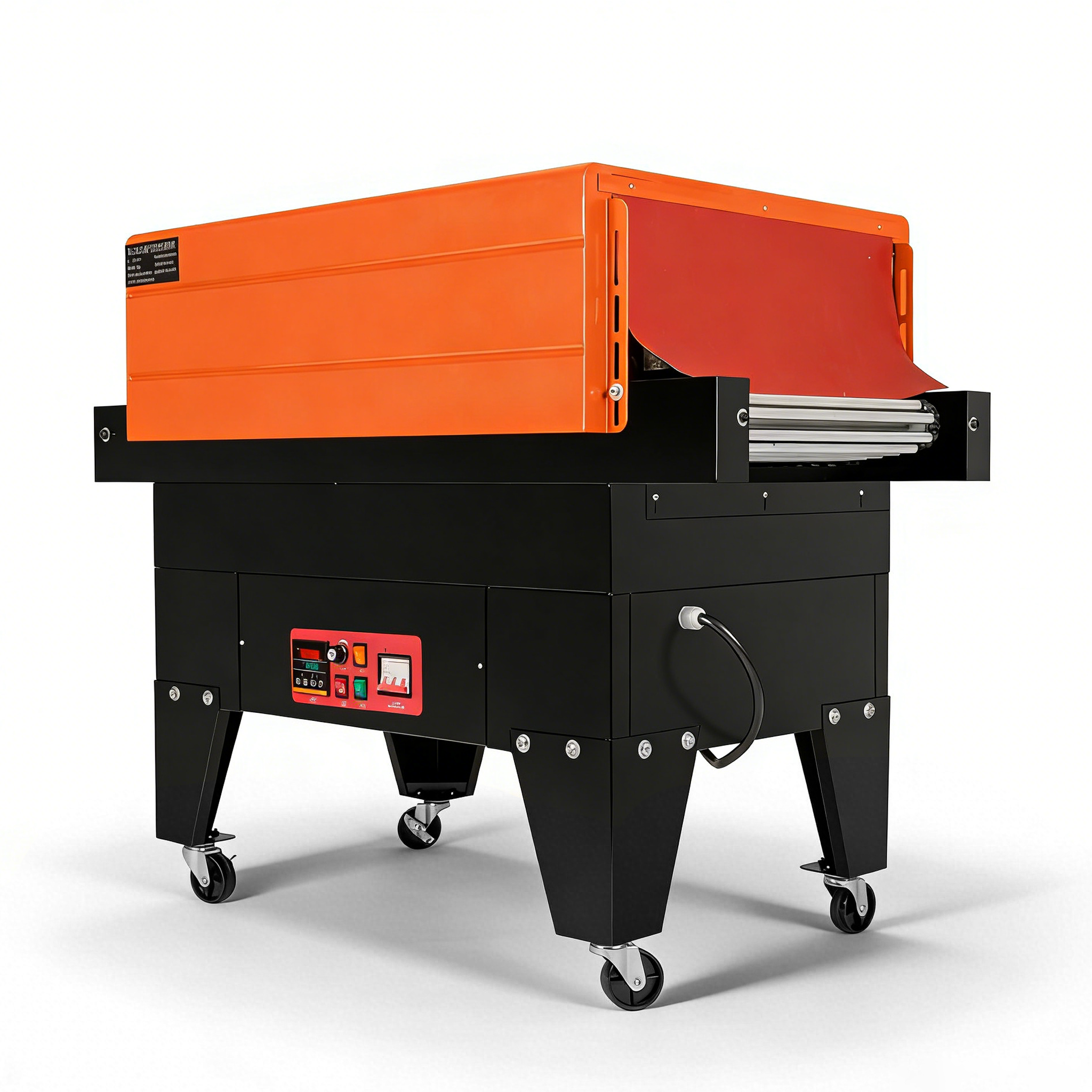
A field case: a shrink tunnel machine that wrinkled every box
What the line saw from the shrink tunnel machine
A gift-box line produced wraps with folds and dull spots. The shrink tunnel machine ran at a setpoint copied from another plant, so the film never relaxed evenly. A unit that is too cool leaves slack that wrinkles as the box exits. The team blamed the film, yet the real issue was heat. The shrink tunnel machine needed a profile matched to the PVC film in use, not a borrowed number from a different job on another floor.
The temperature fix that smoothed the shrink tunnel machine
Lowering the shrink tunnel machine slightly and raising conveyor speed let the film shrink without scorching. The unit then wrapped boxes flat and clear. A short test on scrap boxes found the window. The equipment has held that setting since, and the line stopped rejecting wraps. The lesson was that a shrink tunnel machine lives in a narrow band where too much heat is as bad as too little for the chosen film.
The team logged the winning profile next to the film code so later shifts started from a proven number. Equipment that depends on one person's memory drifts the moment that person is away. A short note on the machine prevented the problem from returning. Within a month the wrap reject rate fell to near zero, and the line stopped spending time on rework that the right heat setting had already eliminated for good.
Risk analysis: too hot or too cold in a shrink tunnel machine
Burnt film versus loose wrap from a shrink tunnel machine
A shrink tunnel machine that runs too hot melts the film, clouds the surface, and can stick to the belt. A unit that runs too cold leaves the wrap loose, with wrinkles that look unfinished and offer weak protection. Both hurt shelf appeal and can fail transit. The equipment hides the problem until the box is packed, so the defect reaches the customer. Any film change should trigger a re-test of the shrink tunnel machine before a long run starts on the line.
The waste is not only visual. A loose wrap offers little protection, so the box can shift and the print can scuff during transit. A burnt wrap looks cheap and can stick to the product, creating a mess at the shelf. Both outcomes reach the customer and shape the brand impression before the product is even opened. A five-minute test protects far more than the film cost alone suggests to the buyer.
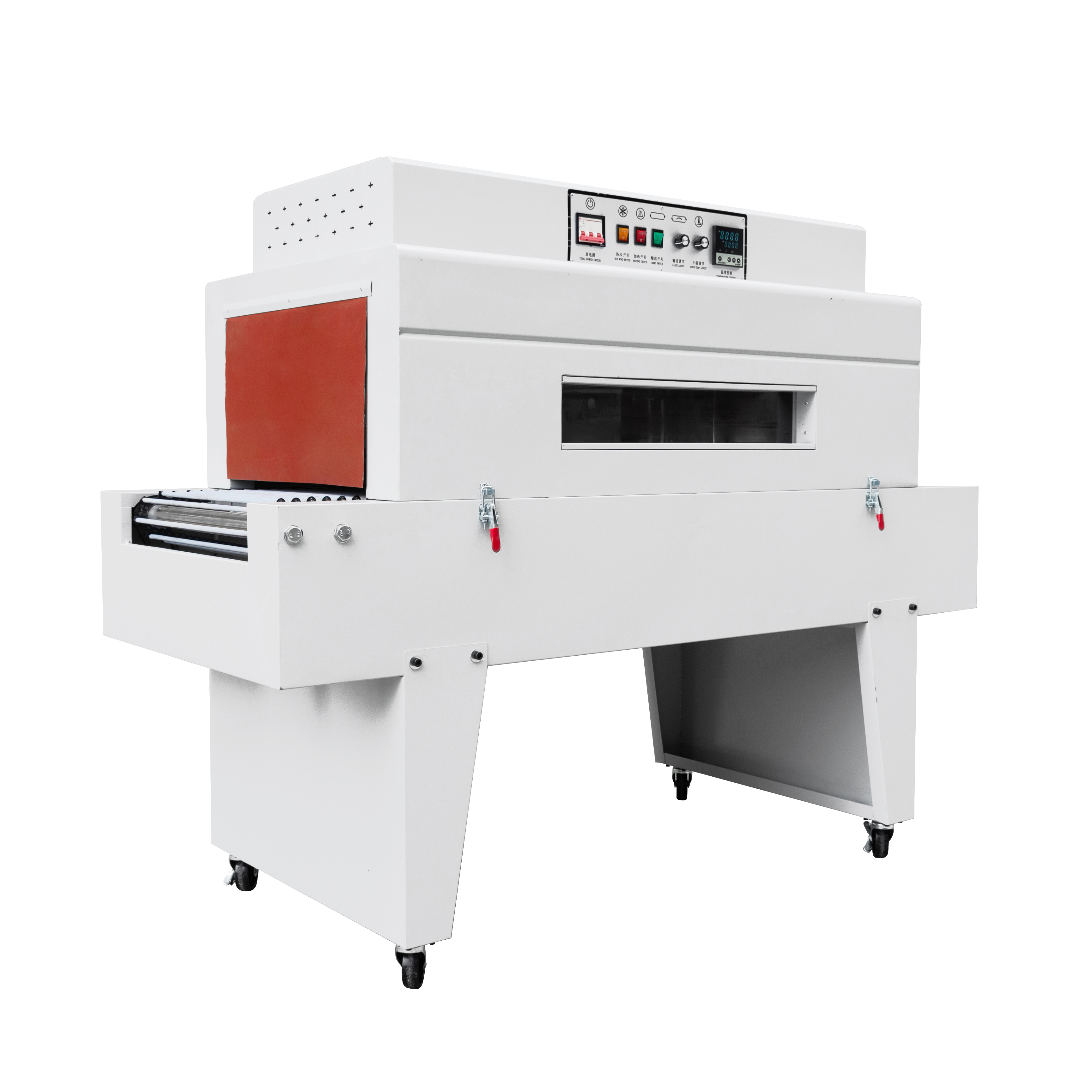
Professional analysis and the standards behind a shrink tunnel machine
How a shrink tunnel machine shrinks film
A shrink tunnel machine blows heated air over the film so the oriented polymer relaxes and clings to the box. The unit balances air temperature, airflow, and dwell time on the belt. Thicker or different films need a different profile, because each setting suits one material. Temperature that is too high burns; too low leaves memory in the film. A shrink tunnel machine with stable control keeps the wrap tight, clear, and consistent across a full shift of boxes.
Airflow matters as much as the number on the dial. A tunnel with uneven fans leaves one side loose while the other scorches, even at a perfect average temperature. The setting and the air path work together, so tuning one without the other rarely fixes the defect. A unit with balanced circulation produces a uniform result that holds from the first box to the last without constant attention from the operator on site.
CE and ISO references for a shrink tunnel machine
A compliant shrink tunnel machine built for export carries CE marking under the EU Machinery Directive 2006/42/EC. The equipment should follow EN ISO 12100 for risk reduction and IEC/EN 60204-1 for electrical safety. A manufacturer operating an ISO 9001 system documents how each unit is built and tested. These references give buyers confidence that the shrink tunnel machine meets baseline safety expectations. A shrink tunnel machine without this paperwork faces barriers in regulated markets across Europe and beyond.
The same standards protect the people who load and unload the tunnel. Proper guards and emergency stops keep hands away from the hot zone, and documented build quality means the safety features are real rather than decorative. Buyers who verify the marks avoid the unpleasant surprise of a unit that looks compliant but fails an audit. That due diligence pays back the first time an inspector visits the plant floor.
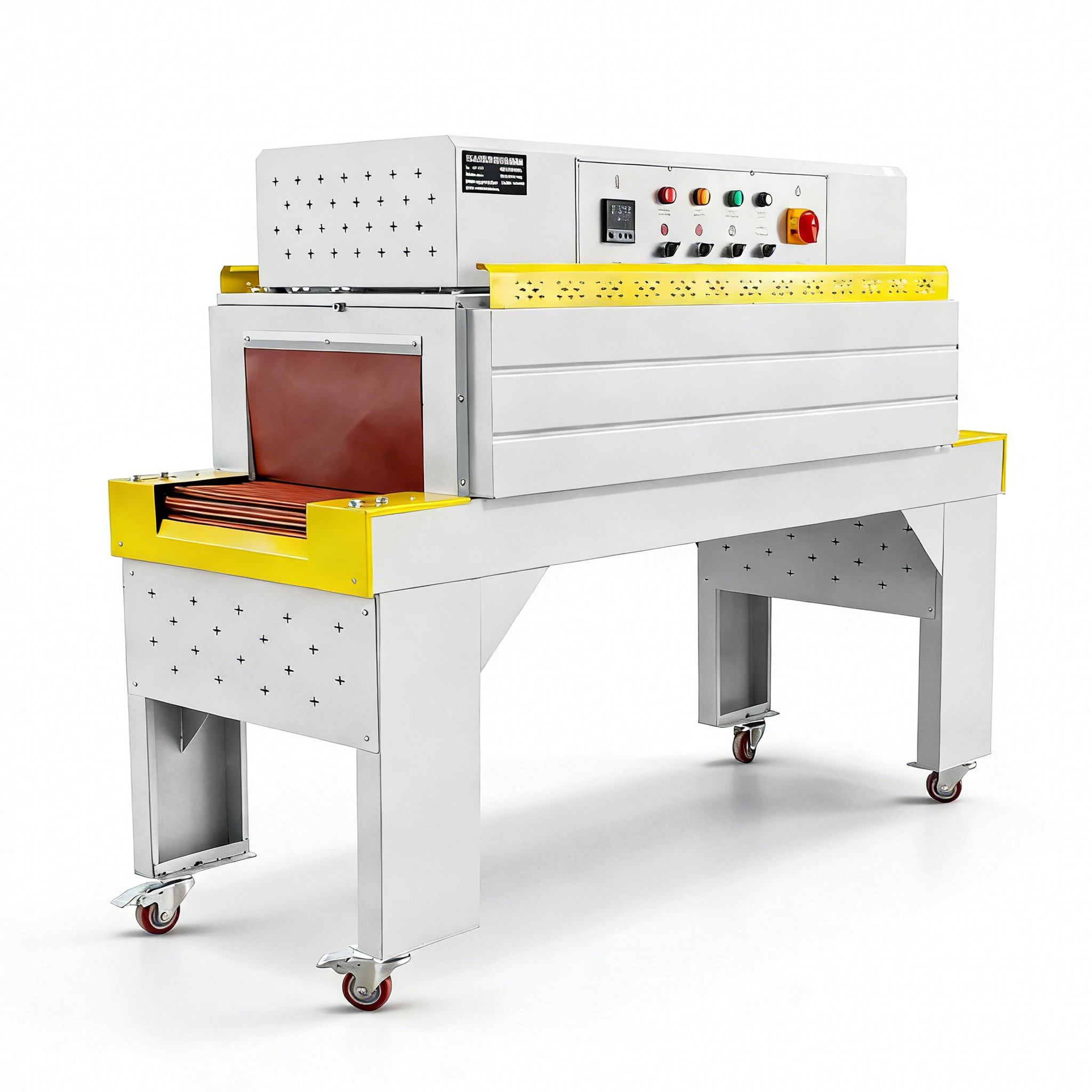
Practical value: choosing, inspecting, using, maintaining a shrink tunnel machine
Selecting a shrink tunnel machine by film
Choose a shrink tunnel machine matched to the film family, whether PVC, PP, or POF. A unit with adjustable speed and temperature adapts to more products. Confirm the equipment fits the box size and the daily volume. Youngsun supplies heat shrink tunnel machines engineered for food, beverage, and gift lines, with CE and ISO 9001 documentation available for distributors reviewing a shrink tunnel machine purchase through the product page. See also heat shrink tunnel guidance for market context.
Matching the shrink tunnel machine to the film prevents most wrap defects. A unit bought only on price may lack the airflow control the product demands, forcing slow runs. A shrink tunnel machine chosen with a sample box in hand avoids guesswork. Asking the supplier for a test wrap on real boxes turns the decision from a hope into a verified result before the order is placed and the line is committed to a model.
A supplier who wraps a sample on the actual product reveals more than a spec sheet. The demo shows how the film behaves at the edges, how fast the belt must run, and whether the tunnel fits the box height. That evidence removes the guesswork that leads to returns. The right partner also shares the maintenance points, so the buyer knows what to watch before a fault interrupts a busy selling season.
Inspecting and using a shrink tunnel machine daily
Before a run, an operator should confirm the shrink tunnel machine temperature matches the film and watch the first boxes. The unit needs a warm-up; wrapping too early wastes film. During use, the equipment should run at the tested speed so dwell stays correct. A shrink tunnel machine with even airflow wraps boxes uniformly, which helps trace any later defect back to a setting that drifted on the production floor during a long shift of varied products.
A first-box check is the cheapest insurance on the line. Pulling the opening wrap and feeling the tension catches a drift before a pallet is sealed. The check takes seconds and prevents a whole batch from shipping with a fault no one noticed. Operators who trust the dial over the sample are the ones who later explain why a customer complained about wrinkled packaging arriving at the door.
Maintaining a shrink tunnel machine for steady heat
A shrink tunnel machine stays accurate when the belts, fans, and sensors are cleaned and inspected on schedule. Dust on the mesh insulates heat, so the equipment should be wiped at the infeed daily. The unit benefits from a monthly check of the thermostat against a reference thermometer. Youngsun supports its shrink tunnel machine range with spare parts and guidance, and the contact page connects buyers with the engineering team about a specific unit needing service or a spare part.
A clean tunnel is a stable tunnel. Film dust and residue build up on the mesh and the fans, and that layer insulates the heat away from the wrap. A weekly wipe and a monthly sensor check keep the result honest across seasons. The maintenance plan should name an owner so the task is never skipped. Equipment cared for on a calendar outlasts equipment fixed only after it breaks down during a peak period.
Frequently Asked Questions
What is the ideal temperature for a shrink tunnel machine?
Answer: The ideal temperature for a shrink tunnel machine depends on the film, commonly near 120 to 160 degrees Celsius for PVC and POF. The shrink tunnel machine should be tested on scrap boxes to find the window where the film clings without scorching. A unit set too high burns the surface, while too low leaves wrinkles. Match the setting to the specific film rather than a borrowed number from another job.
How does film type change the shrink tunnel machine setting?
Answer: Each film shrinks at its own temperature and rate, so the shrink tunnel machine needs a profile per material. PVC, PP, and POF each want a different balance of heat and dwell. A unit that wraps PVC perfectly may scorch POF at the same setting. Test the shrink tunnel machine on the actual film before a run, and keep a short recipe card for every film the line seals through the tunnel.
Why does a shrink tunnel machine leave wrinkles?
Answer: A shrink tunnel machine leaves wrinkles when the temperature is too low, the speed too high, or the airflow uneven. The film keeps memory and never relaxes around the box. The equipment may also wrinkle if the belt is dirty or the sensor drifts. Re-test the shrink tunnel machine after any film change, and clean the mesh so heat reaches the wrap evenly across the tunnel.
Can a shrink tunnel machine handle bottles and boxes?
Answer: A well-sized shrink tunnel machine handles both bottles and boxes when the tunnel fits the product and the film matches. The unit should have adjustable speed and temperature to suit each shape. A mesh belt helps airflow around bottles, while boxes need even heat on all sides. Test the shrink tunnel machine on the real product so the wrap stays tight through transit without crushing lighter items.
What standards should a shrink tunnel machine meet?
Answer: A shrink tunnel machine for export should carry CE marking under the EU Machinery Directive 2006/42/EC and follow EN ISO 12100 with IEC/EN 60204-1. An ISO 9001 manufacturer documents build and test quality. The shrink tunnel machine that meets these references clears customs more easily and gives operators safer guards. For a distributor, certified shrink tunnel machine models reduce liability and support smoother cross-border sales.
How often should a shrink tunnel machine be checked?
Answer: A shrink tunnel machine should get a quick daily check before start-up and a deeper inspection each quarter. The equipment benefits from a log that records temperature, speed, and any defect seen. Busy lines may need monthly sensor checks because heat drifts with dust and age. A shrink tunnel machine with a current log is far easier to tune, because the next wrap problem arrives with history instead of mystery.
