 EN

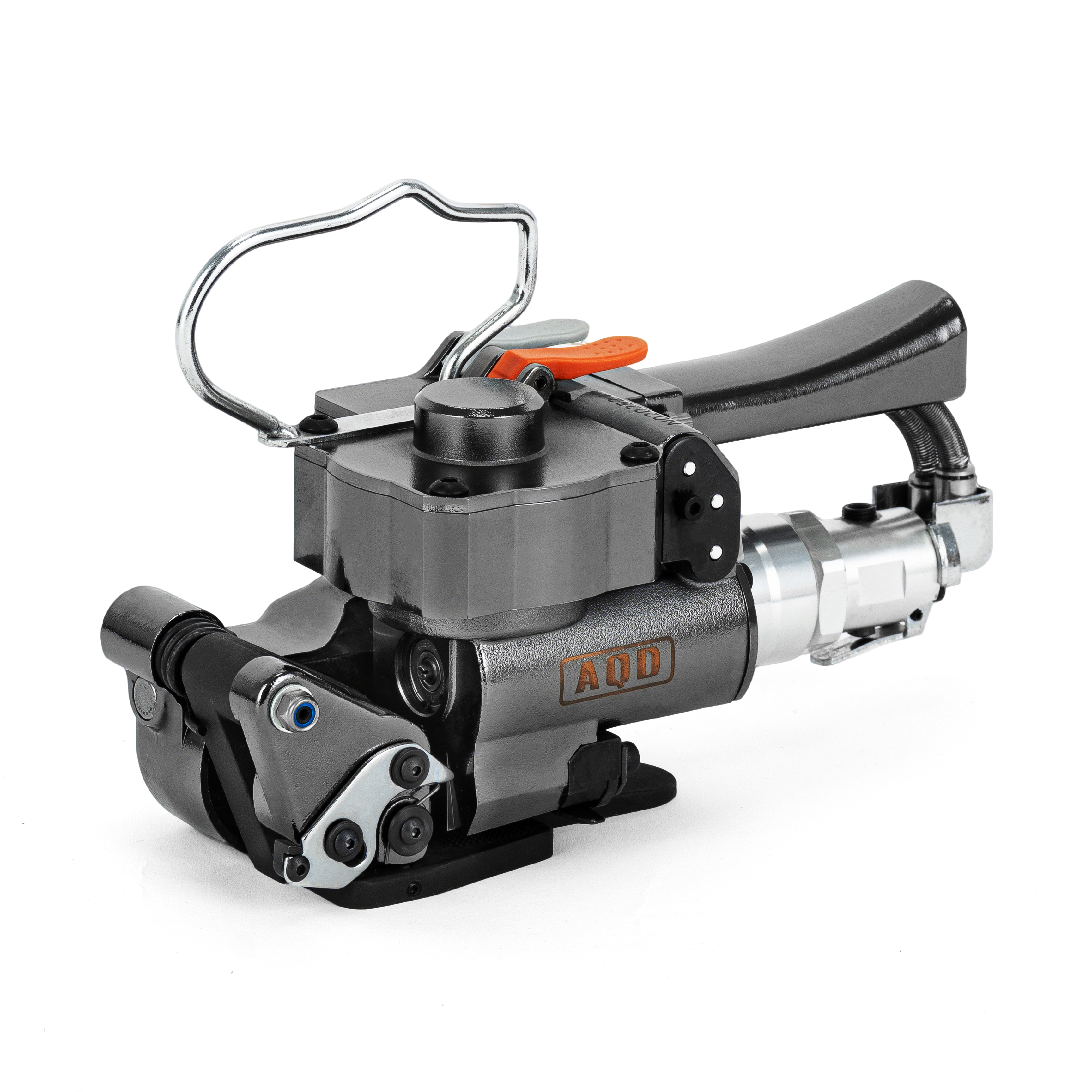
A field case: a warehouse that fixed load shifts with strapping tools
The load-shift problem the team saw
A regional warehouse saw pallets arrive with loose cartons after transit. The strapping tools in use were mixed manual types with uneven tension. A strap applied by tired hands varied from tight to slack, so the load shifted on the truck. The strapping tools were not failing, but the results were inconsistent. After a claim for damaged goods, the team treated the strapping tools as the variable that needed control rather than blamed the driver or the road.
The fix that steadied the strapping tools
Switching to battery-powered strapping tools removed the human variance. The strapping tools now applied a repeatable tension and welded the joint cleanly every time. The strapping tools cut rejects and rework on the dock. Within a month the warehouse stopped seeing shift-related damage on core routes. The strapping tools paid for themselves through fewer claims, and the team standardized on one model across all three shifts for consistency.
Standardizing also simplified training and spares. With one model on the floor, every operator learned the same steps, and the storeroom needed only one set of wear parts. Mixed manual tools had created confusion about tension settings and strap routing. The single battery platform removed that variability and made the dock predictable, which supervisors valued as much as the lower damage rate itself across the site.
Risk analysis: weak loads from poor strapping tools
Loose straps versus over-tension from strapping tools
Poor strapping tools create two opposite failures. Loose strapping tools leave slack that lets cartons walk during transit, while over-tensioned strapping tools can crush fragile goods or snap the band. Both raise damage risk and claims. The strapping tools must match the load and the strap, because a setting that suits a heavy pallet hurts a light one. Inconsistent strapping tools also slow the dock, since workers stop to fix what should be automatic and reliable on a busy day.
The cost shows up in labor too. A worker who re-does a loose strap spends minutes that compound across hundreds of loads per shift. Over a week that is hours of lost throughput, often blamed on the volume rather than the gear. Reliable equipment keeps the rhythm steady, and a steady dock ships more with less effort, which is the quiet advantage good tools provide every single day.
Professional analysis: how strapping tools secure a load and the standards behind them
How strapping tools tension and weld a strap
Strapping tools pull the band tight, then join the ends by heat or friction weld. Good strapping tools hold tension steady from the first strap to the last, which is why battery units beat manual ones for repeatability. The strapping tools must suit the strap width and the pull force the load needs. A strap that is too thin for the tension will yield; strapping tools set beyond the band limit will break it. Matching the strapping tools to the material keeps the joint strong through handling and vibration on the road.
Tension that is right for the load also protects people. A tool set too high can snap a band with force, and a loose one lets a heavy carton shift and fall. The setting is a safety control, not just a quality choice. Good equipment makes the correct setting the easy default, so the outcome does not depend on who happens to be on the dock at that hour of the shift.
The top 3 strapping tools and the standards behind them
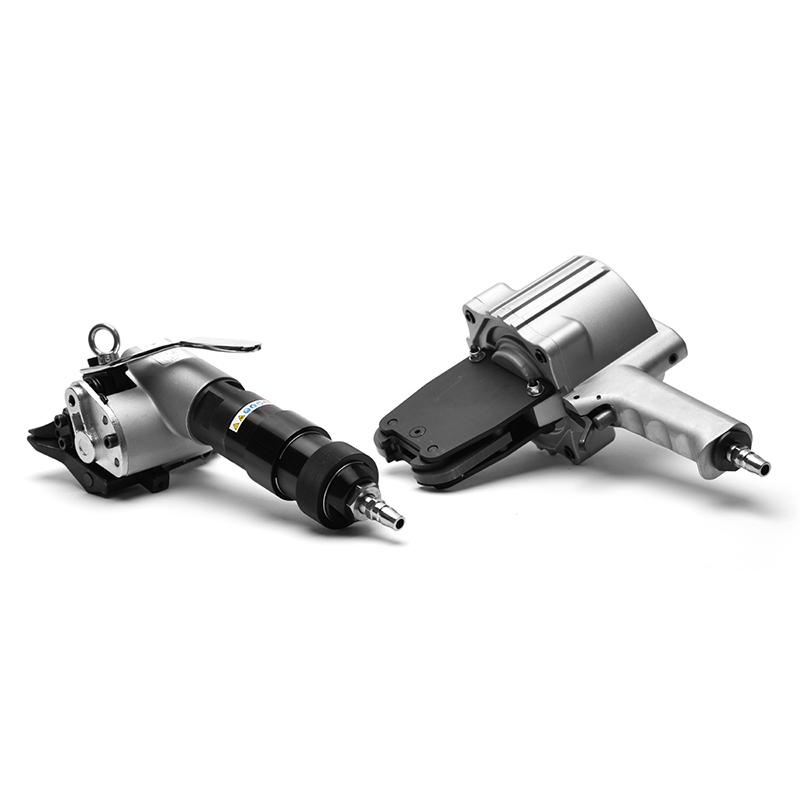
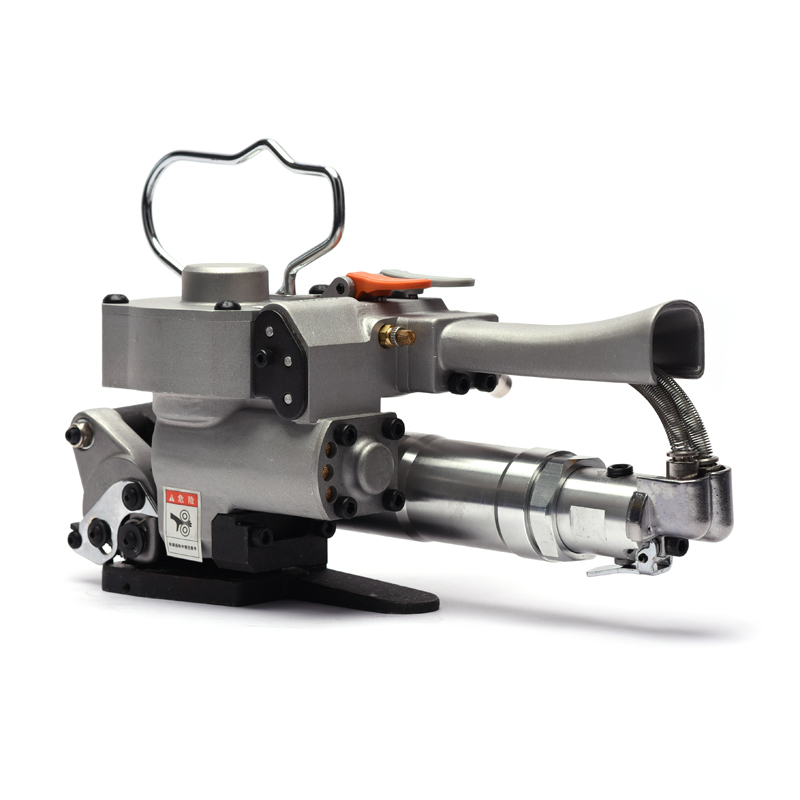
The first of the top strapping tools is the battery-powered tensioner, which handles PP and PET with consistent pull. The second is the manual ratchet strapping tool for light, low-volume jobs. The third is the pneumatic strapping tool for fixed stations with air supply. A compliant strapping tool built for export carries CE marking under the EU Machinery Directive 2006/42/EC and follows IEC/EN 60204-1. An ISO 9001 maker documents how each strapping tool is built and tested for safe, repeatable performance on site.
Documentation matters at reorder time as well. A certified tool comes with a model number and a spec sheet that survive staff changes and memory loss. When a unit needs a match years later, the record prevents a wrong purchase. Buyers who file the papers with the asset avoid the scramble of identifying an old tool from a photo and hoping the new one fits the same strap.
Practical value: choosing, inspecting, using, maintaining strapping tools
Selecting the right strapping tools
Choose strapping tools by strap type, load weight, and daily count. A battery strapping tool suits mobile work across a warehouse, while a pneumatic strapping tool fits a fixed line. Confirm the strapping tools match the strap width and the pull range. Youngsun supplies sealing and strapping equipment engineered for logistics and manufacturing, with CE and ISO 9001 documentation available for distributors reviewing strapping tools through the product page. See also carton sealing machines for complementary line equipment.
Matching the strapping tools to the task prevents strain and failure. A strapping tool bought only on price may lack the pull force a heavy pallet demands, forcing a second purchase. A strapping tool chosen with the real strap in hand avoids guesswork. Asking the supplier for a demo on actual loads turns the decision from a hope into a verified result before the order is placed and the dock is committed.
A good demo reveals more than a brochure. Watching the tool on a real pallet shows how it handles the strap tail, how fast it cycles, and how the weld looks under stress. The supplier who agrees to this test usually also supports the buyer after sale. That relationship reduces risk more than a small price gap, because downtime on a dock is far costlier than the difference on the invoice.
Inspecting and using strapping tools daily
Before a shift, an operator should confirm the strapping tools are charged or connected and set to the right tension. The strapping tools need a test strap on scrap to confirm the weld. During use, the strapping tools should be applied square to the load so tension stays even. A strapping tool with adjustable pull lets the team tune per load, which helps protect fragile goods while keeping heavy pallets secure through the whole journey to the customer.
A quick end-of-shift check catches wear before it becomes failure. Noting the cycle count and the weld quality takes a moment and flags a tool that is drifting. The log also helps schedule service during a quiet period instead of mid-peak. Equipment that is watched this way rarely fails without warning, and the dock keeps moving when orders are at their highest and patience is lowest.
Maintaining strapping tools for steady tension
Strapping tools stay reliable when the wear parts, batteries, and noses are cleaned and inspected on schedule. Dust and strap debris jam the mechanism, so the strapping tools should be wiped after heavy use. The strapping tools benefit from a log of every service and calibration. Youngsun supports its strapping equipment range with spare parts and guidance, and the contact page connects buyers with the engineering team about a specific unit needing service or a spare part.
A small spare kit on the dock pays for itself at the first busy week. Extra batteries, a wear nose, and a strap feed part cover the usual faults without a wait. The maintenance plan should name an owner so the check is never skipped. Tools that are serviced on a calendar, not after they break, keep the load secure and the claims low across the whole year of operation.
Frequently Asked Questions
What are the top 3 strapping tools for a warehouse?
Answer: The top three are the battery-powered tensioner, the manual ratchet strapping tool, and the pneumatic strapping tool. Battery strapping tools give consistent tension across mobile work. Manual strapping tools suit light, occasional jobs. Pneumatic strapping tools fit fixed stations with air supply. The right strapping tools depend on strap type, load weight, and daily count, so match the tool to the real dock workload.
Which strapping tools work with PET strap?
Answer: Battery-powered and pneumatic strapping tools both handle PET strap when sized for the width and the pull force. The strapping tools must reach the tension PET needs without snapping the band. A manual strapping tool can manage light PET but struggles on heavy loads. Confirm the strapping tools list PET compatibility and the right tension range before committing the warehouse to a specific strap and tool pairing.
How tight should strapping tools be set?
Answer: Strapping tools should be set tight enough to stop load shift but not so tight that they crush goods or break the band. The strapping tools need a tension matched to the strap limit and the load weight. A test strap on a representative pallet confirms the setting. Good strapping tools let the operator tune per load, protecting fragile cartons while keeping heavy freight secure through transit and handling.
Do strapping tools need training?
Answer: Strapping tools are simple but still need basic training for safe, consistent results. The strapping tools can pinch hands or snap a band if used wrongly. A short session on tension setting, strap feeding, and weld checks prevents most errors. Battery strapping tools are intuitive, yet the team should log the standard setting so every shift applies the strapping tools the same way and avoids weak joints.
What standards should strapping tools meet?
Answer: Strapping tools for export should carry CE marking under the EU Machinery Directive 2006/42/EC and follow IEC/EN 60204-1 for powered units. An ISO 9001 manufacturer documents build and test quality. The strapping tools that meet these references clear customs more easily and give operators safer guards. For a distributor, certified strapping tools reduce liability and support smoother cross-border sales to regulated buyers.
How can battery strapping tools be maintained?
Answer: Battery strapping tools need charged packs, clean noses, and regular wear-part checks. The strapping tools should be wiped after heavy use to clear strap debris that jams the mechanism. A spare battery keeps the dock running during a long shift. The strapping tools benefit from a service log so wear is tracked. Youngsun supplies spare parts and guidance, helping the team keep the strapping tools ready without long downtime.
