 EN

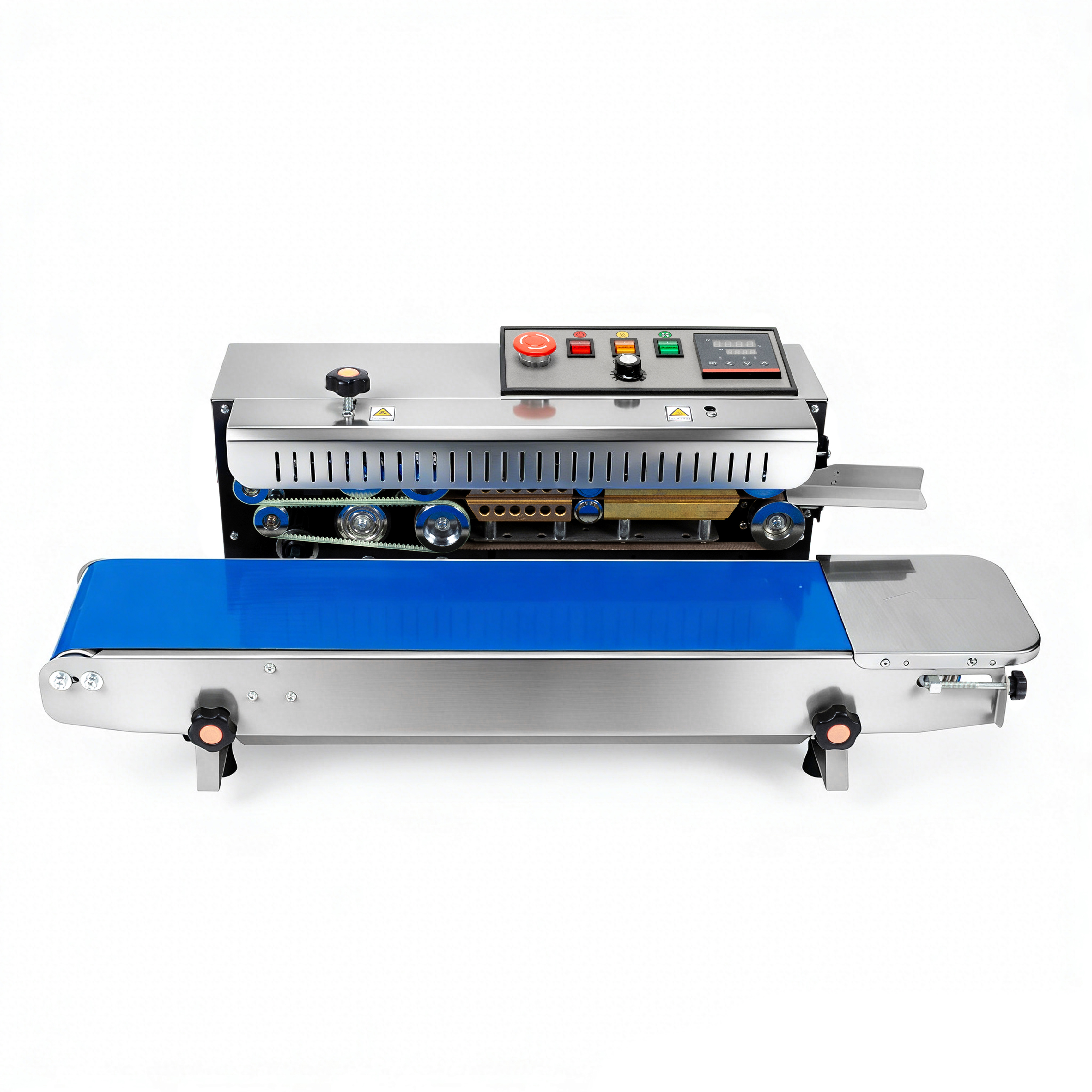
A field case: picking the wrong sealer machine type
The mismatch the team found with the sealer machine
A small food producer bought a desktop unit for a job that needed volume. The sealer machine type was wrong for the pouch material, so seals failed under load. The sealer machine looked adequate on paper, yet the laminate needed more heat than the small heater could hold. The sealer machine ran slowly and still left weak spots. After two returns, the team realized the sealer machine type, not the operator, was the real problem on the line.
The switch that fixed the sealer machine choice
Moving to a continuous sealer machine changed the outcome. The sealer machine type matched the film and the daily count, so seams stayed uniform at speed. The sealer machine paid back within a season through fewer rejects. The lesson was that a sealer machine type must follow the product, not the budget alone. A short test on real pouches prevents the expensive mistake of buying the wrong sealer machine class for the operation.
The team also trained two operators on the new class before the swap. Equipment that only one person understands becomes a risk when that person is absent. Documentation and a short hands-on session turned the new unit into a shared skill. Within weeks the line could absorb staff changes without a drop in seal quality, which mattered during the seasonal rush that tested every part of the process.
Risk analysis: mismatched sealer machine types
What a wrong sealer machine type costs the line
A wrong sealer machine type wastes more than the purchase price. A sealer machine that cannot reach the needed temperature forces slow runs and still fails audits. A sealer machine too large for the bag sits idle and ties up capital. The sealer machine type also affects floor space, power, and training. Choosing without a clear spec lets the sealer machine become a bottleneck that hides until orders peak and the weakness shows in returned goods from the field.
Returns carry a second cost that rarely appears on the purchase order. A damaged shipment erodes trust with the buyer and triggers extra freight, reprocessing, and admin time. The bottleneck also masks itself behind other delays, so managers may blame the filler or the cartoner. A clear spec and a tested unit remove that ambiguity and keep the whole line accountable for the final result.
Professional analysis: how common sealer machine types work and the standards behind them
Continuous and impulse sealer machine types
A continuous sealer machine uses heated bands and a moving conveyor for nonstop output, ideal for high counts. An impulse sealer machine heats only on demand, suiting short batches and thin films. A chamber sealer machine removes air before sealing, which fits sensitive or extended-shelf goods. The sealer machine type sets the heat path, the speed, and the seal strength. Matching the sealer machine type to the film keeps quality consistent and avoids the strain that shortens equipment life on busy lines.
Volume decides the class as much as the film does. A unit built for occasional use will overheat if pushed to continuous duty, while an oversized continuous model wastes energy on a small batch. The right choice leaves headroom for peaks without running at the limit. Asking for the duty cycle up front prevents the quiet failure that appears only after the first busy quarter on the floor.
Standards that apply to every sealer machine type
A compliant sealer machine built for export carries CE marking under the EU Machinery Directive 2006/42/EC. The sealer machine should follow EN ISO 12100 for risk reduction and IEC/EN 60204-1 for electrical safety. A manufacturer operating an ISO 9001 system documents how each unit is built and tested. These references give buyers confidence that the sealer machine meets baseline safety expectations. A sealer machine without this paperwork faces barriers in regulated markets regardless of which type is chosen by the buyer.
Certification also helps the service side. A documented design means spare parts and diagrams are available, so a fault does not become a long wait for a custom component. Buyers who keep the file with the machine save time during every repair. The same paperwork smooths insurance and audit questions, which many plants now face as part of routine compliance checks.

Practical value: choosing, inspecting, using, maintaining a sealer machine
Selecting the right sealer machine type
Choose a sealer machine type by film, volume, and shelf need. A continuous sealer machine suits long runs, while an impulse sealer machine fits low counts. Confirm the sealer machine supports the bag size and local voltage. Youngsun supplies sealing equipment engineered for food, pharma, and chemical lines, with CE and ISO 9001 documentation available for distributors reviewing a sealer machine purchase through the product page. See also carton sealing machines for complementary line equipment.
Matching the sealer machine type to the plan prevents later regret. A sealer machine bought only on price may lack the heater or speed the product demands, forcing a second purchase. A sealer machine chosen with the film sample in hand avoids guesswork. Asking the supplier for a test seal on real pouches turns the decision from a hope into a verified result before the order is placed and the line is committed to a model.
Good suppliers welcome that test. They will state the heater range, the speed, and the bag sizes without hedging, and they will share the manual before purchase. A vague answer about capability is itself a signal. The unit should arrive with a clear commissioning step, not a box and a guess, so the team can reach a stable seal on day one rather than after a week of trial.
Inspecting and using each sealer machine type
Before a run, an operator should confirm the sealer machine temperature matches the film and watch the first seams. The sealer machine needs a warm-up; sealing too early wastes material. During use, the sealer machine should be fed centred so pressure stays even. A sealer machine with a printing option can mark batches while sealing, which helps trace any later issue back to a setting that drifted on the production floor during a long shift.
A simple log turns inspection into a habit. Recording the setpoint next to the film code takes seconds and removes guesswork on the next run. When a fault appears, the log shows whether the setting, the film, or the belt changed. That record is worth more than any single quick fix, because it points to the cause instead of the symptom and keeps the line learning from each event.
Maintaining a sealer machine for a long life
A sealer machine stays accurate when bands, covers, and contacts are cleaned and replaced on schedule. Dust insulates heat away from the seal, so the sealer machine should be wiped at the infeed daily. The sealer machine benefits from a monthly check of the thermostat against a reference thermometer. Youngsun supports its sealing equipment range with spare belts and guidance, and the contact page connects buyers with the engineering team about a specific unit needing service or a spare part.
A small spare-part shelf prevents long stops. Belts, covers, and a spare thermocouple cover most common wear, and keeping them on site beats waiting for shipping during a peak. The maintenance routine should name the owner, not just the task, so someone is accountable each month. Equipment that is cared for on a calendar outlasts equipment fixed only after it breaks down.

Frequently Asked Questions
What are the main types of sealer machine?
Answer: The main types are continuous band, impulse, and chamber sealer machine designs. A continuous sealer machine uses heated bands and a conveyor for high volume. An impulse sealer machine heats on demand for short batches. A chamber sealer machine evacuates air before sealing. The right sealer machine type depends on film, throughput, and whether the product needs modified atmosphere protection during storage and transit.
Which sealer machine type is best for food?
Answer: For high-volume food pouches, a continuous sealer machine usually fits best because it holds a steady seal at speed. A chamber sealer machine suits products needing air removal and longer shelf life. The sealer machine must match the film laminate and the hygiene requirements of the plant. Testing the sealer machine on the actual pouch before purchase confirms the seam strength and the appearance the brand expects from the line.
Can one sealer machine handle many film types?
Answer: A well-specified sealer machine can handle several films if its heater and pressure range cover them. A continuous sealer machine rated for laminates manages foil and multi-layer pouches better than one sized only for polyethylene. The sealer machine should be re-tested after each film change. Keeping a small set of proven recipes on the sealer machine avoids weak seams when switching materials during a busy week.
How much power does a sealer machine need?
Answer: Power varies by sealer machine type and size. A small impulse sealer machine may need only a standard outlet, while a continuous sealer machine with strong heaters draws more current and wants a sized supply. The sealer machine should follow IEC/EN 60204-1 wiring rules with proper grounding. A qualified electrician should size the isolator so the sealer machine starts cleanly without tripping the protection on the circuit.
What standards should a sealer machine meet?
Answer: A sealer machine for export should carry CE marking under the EU Machinery Directive 2006/42/EC and follow EN ISO 12100 with IEC/EN 60204-1. An ISO 9001 manufacturer documents build and test quality. The sealer machine that meets these references clears customs more easily and gives operators safer guards and emergency stops. For a distributor, certified sealer machine models reduce liability and support smoother cross-border sales.
How should a sealer machine supplier be chosen?
Answer: Choose a supplier who shares the sealer machine specifications, the wiring diagram, and the spare-part list up front. A credible sealer machine source offers CE and ISO 9001 paperwork and real film testing. Youngsun provides sealing equipment with documentation and engineering support for distributors. The sealer machine should arrive with clear manuals so the team can install, tune, and maintain it without depending on slow overseas replies.
