 EN

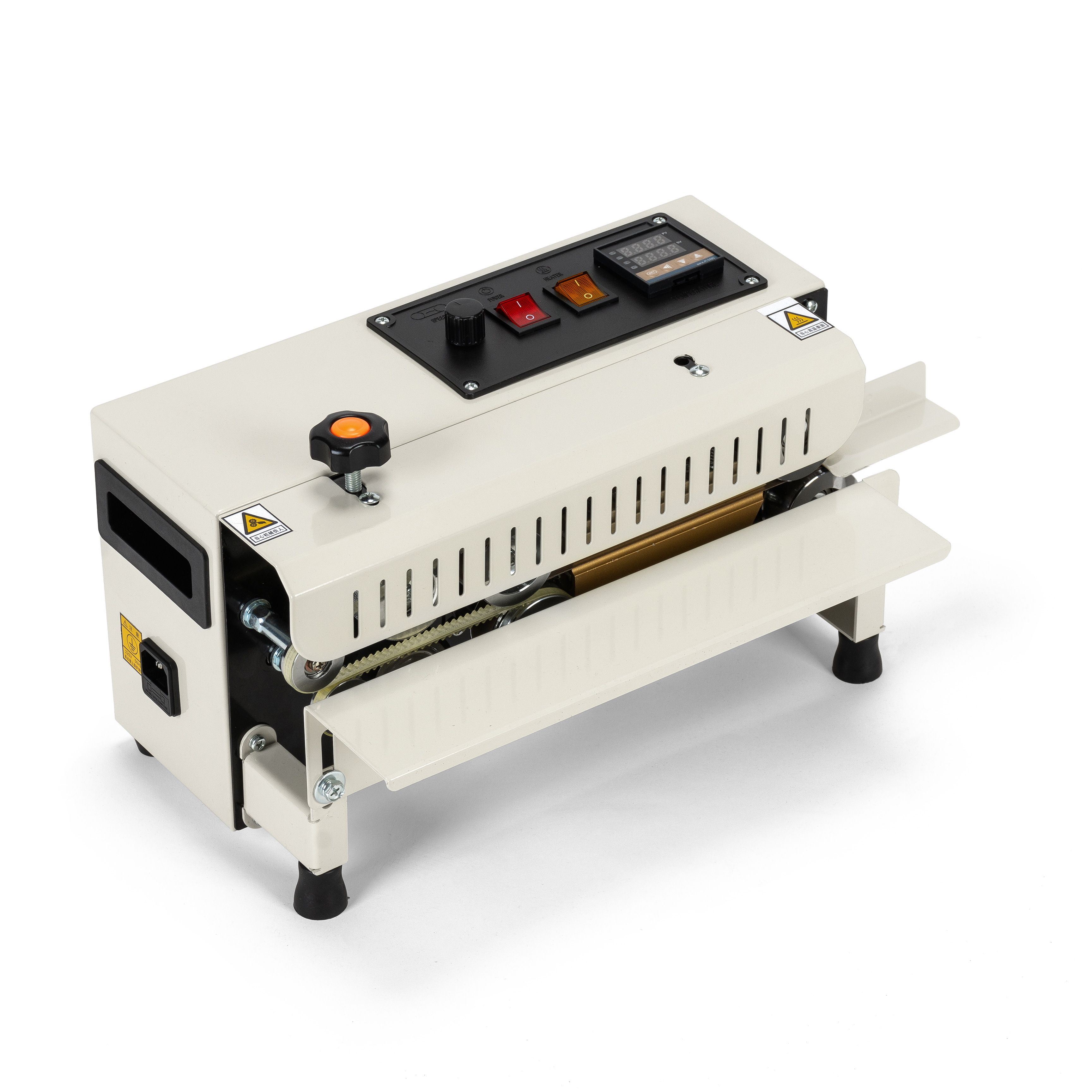
A field case: a sealer machine that went silent
What the operator found on the sealer machine
A bottling line stopped when the sealing unit refused to power on at the start of a shift. The sealing machine had run fine the evening before, so the team assumed a major fault. A quick look showed the sealing device was dead silent, with no light and no belt movement. The first suspect was the motor, but the real cause sat upstream in the supply. The sealing unit was simply not receiving current from the wall.
The electrician traced the issue to a tripped breaker shared with a chiller. The sealing machine drew nothing because the circuit was open. After resetting the breaker and giving the sealing device a dedicated line, the unit started on the first press. The sealing unit lost only twenty minutes, not the half day a full teardown would have cost. The lesson was clear: start at the source before opening the sealing machine.
The restart that worked for the sealer machine
Power returned, yet the sealing device still hesitated until the emergency stop was reset. The sealing unit had latched its safety circuit during the outage. Releasing the stop and clearing the fault log let the sealing machine boot normally. This step is easy to miss, because the sealing device gives no obvious clue beyond a dark panel. A two-minute check saved a service call and kept the line moving.

Risk analysis: what a dead sealer machine can cost
Power faults versus mechanical lock in a sealer machine
A sealing unit that will not start usually points to either an electrical fault or a mechanical block. A sealing machine with a jammed conveyor or a seized roller draws current but cannot move, which may trip protection. A sealing device with no power at all points to supply, switch, or control failure. Both paths stop the line, but the fixes differ sharply. The sealing unit must be diagnosed before any part is replaced.
Downtime is the real cost. A sealing machine sitting idle at the end of a line stalls every upstream process, from filling to cartoning. A sealing device that fails during a peak season can back up an entire shift. The risk grows when nobody documents the fault, because the same sealing unit may repeat the stoppage the next day. Logging the symptom turns a mystery into a manageable maintenance task that any technician can repeat.
Professional analysis and the standards behind a sealer machine
How a sealer machine is powered and controlled
A sealer machine relies on a control board that manages heat, drive, and safety inputs. The sealer machine waits for signals from the start switch, the emergency stop, and door or guard interlocks before energizing the heater and motor. If any input is open, the sealer machine stays locked out by design. Understanding this chain helps isolate the fault: the sealer machine is not broken, it is simply waiting for a condition to be met.
The drive side matters too. A sealer machine with a worn belt or a blocked gear draws excess current and may trip on overload. A sealer machine with a faulty thermocouple can refuse to start if the controller sees an unsafe temperature. The sealer machine protects itself through these interlocks, which is why a calm, step-by-step check beats random part swapping. Reading the sealer machine fault indicator is the fastest route to the true cause of a no-start event.
Why a sealer machine must meet CE and EN ISO 12100
A compliant sealer machine built for export carries CE marking under the EU Machinery Directive 2006/42/EC. The sealer machine should follow EN ISO 12100 for risk reduction and IEC/EN 60204-1 for electrical safety. A manufacturer operating an ISO 9001 system documents how each unit is built and tested. These references give buyers confidence that the sealer machine meets baseline safety expectations. A sealer machine without this paperwork faces barriers in regulated markets across Europe and beyond.
Standards also shape the troubleshooting path. A sealer machine wired to IEC/EN 60204-1 includes clearly marked isolators and emergency stops that make a safe reset straightforward. EN ISO 12100 pushes the design to remove hazards at the source, so the sealer machine is easier to service without exposure. For a distributor, selling a certified sealer machine reduces liability and supports smoother customs clearance, which matters as much as the repair itself for ongoing operations.

Practical value: choosing, inspecting, using, maintaining a sealer machine
Selecting a sealer machine for the line
Choose a sealer machine matched to the product and the throughput. A sealer machine rated for the right film and bag size avoids constant strain that shortens life. Confirm the sealer machine supports the local voltage and the duty cycle. Youngsun supplies sealing equipment engineered for food, pharma, and chemical lines, with CE and ISO 9001 documentation available for distributors reviewing a sealer machine purchase through the product page. See also heat shrink tunnel machines for complementary line equipment.
Matching the sealer machine to the environment prevents many no-start faults. A sealer machine placed where water or dust reaches the panel will develop intermittent contacts that mimic major failures. A sealer machine on a clean, ventilated mount with a dedicated supply starts reliably for years. Asking the supplier for the wiring diagram and the spare-part list up front prevents most surprises during the first busy quarter after installation and commissioning on site.
Inspecting and using a sealer machine daily
Before a run, an operator should confirm the sealer machine has power, the emergency stop is released, and the guards are closed. The sealer machine needs a short warm-up; starting sealed work too early wastes material. During use, the sealer machine should be fed centred so pressure stays even. A sealer machine with a printing option can mark batches while sealing, which helps trace any later fault back to a setting that drifted on the production floor.
A daily five-minute check catches most no-start causes before they bite. The sealer machine panel light, the isolator position, and the belt freedom are quick to verify. A sealer machine that sounds strained on start warrants a stop and a look, because a small block today becomes a burned motor tomorrow. The sealer machine also benefits from a clean infeed, because debris on the film can drag the mechanism and trip the drive without warning.
Maintaining a sealer machine to avoid no-start faults
A sealer machine stays reliable when contacts, belts, and interlocks are cleaned and inspected on schedule. Dust and vibration loosen terminals, so the sealer machine should be checked at the panel at least quarterly. The sealer machine benefits from a log of every fault and reset. Youngsun supports its sealing equipment range with spare parts and guidance, and the contact page connects buyers with the engineering team about a specific unit needing service or a spare part.
Preventive care costs less than downtime. A sealer machine with a worn belt or a sticky switch fails at the worst moment, usually during a peak. Rotating wear parts on a calendar, rather than waiting for a stoppage, keeps the sealer machine honest. The sealer machine also likes stable air and a dry panel; a humid corner corrodes contacts faster, so a clean, protected mount pays back in fewer midnight service calls and a longer working life on the line.
Frequently Asked Questions
Why won't my sealer machine turn on at all?
Answer: A sealer machine that is fully dead usually lacks power at the source, not a failed motor. Check the wall supply, the breaker, and the isolator before anything else. The sealer machine may also be locked out by an engaged emergency stop or an open guard interlock. Releasing those inputs and clearing the fault log often brings the unit back without parts or a service visit from a technician.
How can a motor fault be confirmed on the sealer machine?
Answer: A sealer machine with a faulty motor typically draws current yet cannot move, or it trips the overload on every start attempt. Listen for a hum with no motion, which suggests a seized drive or a jammed conveyor. The sealer machine controller may also log a motor fault. Test the belt freedom by hand, and inspect the gear path before replacing the motor to avoid swapping a good part.
Can a tripped breaker damage the sealer machine?
Answer: A tripped breaker rarely harms the sealer machine, because the protection opens before damage occurs. The real risk is repeated resetting without finding the cause, which can stress the sealer machine supply. A breaker that trips often points to an overload or a short that needs a proper fix. The sealer machine should be placed on a dedicated circuit to avoid sharing load with other heavy equipment.
What does CE marking mean for a sealer machine?
Answer: CE marking shows the sealer machine meets the EU Machinery Directive 2006/42/EC and relevant safety standards such as EN ISO 12100 and IEC/EN 60204-1. The sealer machine has passed the documentation and design checks required for the European market. For a buyer, the mark signals the sealer machine was built and tested under a controlled quality system, which supports safer operation and smoother import clearance.
How often should a sealer machine be inspected?
Answer: A sealer machine should get a quick daily check before start-up and a deeper electrical inspection each quarter. The sealer machine benefits from a log that records every fault, reset, and part changed. Busy lines may need monthly panel checks because vibration loosens terminals. A sealer machine with a current log is far easier to troubleshoot, because the next fault arrives with history instead of mystery and lost time.
Should a sealer machine share a power circuit?
Answer: A sealer machine should sit on a dedicated circuit rather than share a line with chillers, compressors, or other loads. Shared circuits let one device trip the sealer machine without warning, creating no-start faults that look like internal failure. The sealer machine draws steady current for heat and drive, so a clean, sized supply keeps it stable. A qualified electrician should size the isolator and cabling correctly for the unit.
Table of Contents
- A field case: a sealer machine that went silent
- Risk analysis: what a dead sealer machine can cost
- Professional analysis and the standards behind a sealer machine
-
Practical value: choosing, inspecting, using, maintaining a sealer machine
- Selecting a sealer machine for the line
- Inspecting and using a sealer machine daily
- Maintaining a sealer machine to avoid no-start faults
- Frequently Asked Questions
- Why won't my sealer machine turn on at all?
- How can a motor fault be confirmed on the sealer machine?
- Can a tripped breaker damage the sealer machine?
- What does CE marking mean for a sealer machine?
- How often should a sealer machine be inspected?
- Should a sealer machine share a power circuit?
