EN
EN

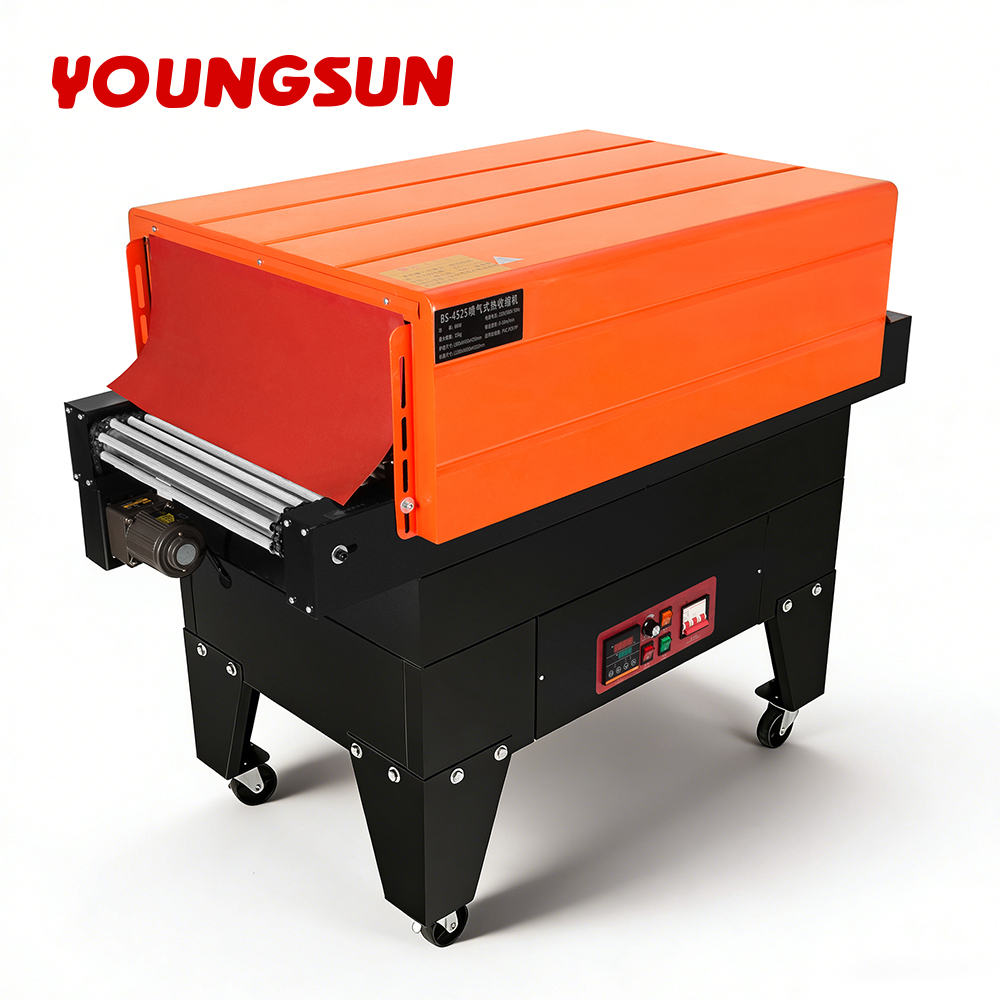
The Science Behind Shrink Tunnel Machine Operation
Molecular Activation: How Heat Triggers Polymer Film Contraction
Shrink tunnel machines work by using special plastic films that get hot and wrap tightly around products for protection. When these films go into the heating chamber, they start to change at a molecular level. The heat basically makes those long chain molecules relax after being stretched out during manufacturing. What happens next is pretty cool - the film shrinks evenly all around whatever item needs wrapping, creating a seal that keeps moisture, dirt, and physical damage away from the product inside. Getting this right depends heavily on controlling temperatures properly. If it's not hot enough, the film won't shrink completely. But crank up the heat too much and the plastic just melts or gets warped instead of shrinking nicely. Finding that sweet spot between underheating and overheating is what makes these machines effective in packaging applications across various industries.
Glass Transition Temperature (Tg) and Its Critical Role in Uniform Shrinking
Glass Transition Temperature, or Tg as it's commonly called in the industry, represents that critical moment when amorphous parts of polymers change from stiff to flexible, allowing molecules to move around enough for shrinkage to happen properly. Most shrink films we see on store shelves today, including popular ones like polyolefin and PVC materials, generally have their Tg somewhere between 90 degrees Celsius and 150 degrees Celsius. To get these films to work right during processing, manufacturers need to maintain temperatures roughly 20 to 50 degrees above whatever the specific film's Tg is. This gives the polymer chains time to relax completely without breaking down. The latest generation of shrink tunnels has incorporated zoned heating systems that can control temperature gradients much better than older models. These improvements help avoid those frustrating issues where some areas shrink too much while others don't at all, which would weaken seals or potentially damage delicate items inside packaging.
Key Components of a Shrink Tunnel Machine
Conveyor System: Precision Timing, Load Stability, and Throughput Optimization
At the heart of this machine lies the conveyor system, which handles all the timing, keeps things stable, and manages how much gets processed at once. Getting the timing right means products spend just the right amount of time in the heat section usually between 8 to 25 seconds depending on how thick the film is. This prevents problems like incomplete shrinking or damaging materials from too much heat. The system includes special rollers that cut down on vibrations plus motors that can change speeds, so nothing shifts around during processing. That's important because if products move out of place, the wrapping ends up wrong. Belt sizes range from 18 inches wide up to 48 inches, and operators can adjust speeds anywhere from 1 to 25 feet per minute. These adjustments make it possible to connect smoothly with other parts of the packaging line while still keeping energy costs reasonable for each item produced.
Heating Systems Compared: Infrared, Steam, and Convection for Different Film Types
Heating method selection directly influences shrink quality, efficiency, and compatibility with film chemistry and product sensitivity:
| System | Best For Film Types | Temperature Range | Unique Advantage |
|---|---|---|---|
| Infrared | Polyolefin, PVC | 110°C–150°C | Targeted, rapid energy penetration ideal for rigid containers |
| Steam | PLA, Cellulose | 80°C–110°C | Low-temperature, moisture-neutral shrinking for food and pharma applications |
| Convection | Polyethylene, LDPE | 100°C–160°C | Even, wraparound airflow distribution for irregular shapes |
Convection systems deliver ±2°C thermal consistency across zones—reducing film waste by up to 19% compared to non-zoned alternatives, according to Packaging Systems (2025).
Temperature Control and Process Consistency in Shrink Tunnel Machines
Zoned Thermal Profiling and Real-Time Airflow Calibration
Getting consistent shrink results really comes down to smart temperature control, not just blasting heat everywhere. The dual zone system works by applying different levels of heat throughout the process. At first, it uses gentler heat in the entry area to start forming those base seals, then ramps up intensity for the tricky parts like shoulders and curved sections. We've got infrared sensors built right in that keep checking temperatures constantly. These sensors automatically adjust airflow through around six to eight vents, basically balancing out hot spots as they happen. When this real time monitoring isn't there, even small temperature swings above or below 5 degrees Celsius can cause problems nobody wants to see: wrinkled film from under shrinking, burnt seals because things get too hot, or corners that just won't stick properly due to bad air flow. Our synchronized speed and zone control system hits about 99.2 percent consistency most of the time, which means we waste roughly 18 percent less material compared to older methods.
The Integrated Heat Shrinking Process: From Entry to Stabilized Output
Packaged items start their journey through the shrink tunnel when they're fed automatically onto the conveyor belt. Inside the temperature-controlled chamber, the plastic films hit their glass transition point which makes them start to relax at a molecular level and shrink evenly across surfaces. The system uses carefully measured air flow combined with step-by-step heating to make sure everything gets covered properly, even those tricky shapes that don't look easy to wrap. After shrinking, products go into an area with lots of cold air blowing on them. This quick but gentle cooling helps set the film tight around each package and stops it from changing shape after processing. Most of these operations take less than two minutes total time, producing packages that show if someone has tampered with them and maintain their size stability so they can be labeled and shipped out without issues.
FAQs
What is the main function of a shrink tunnel machine?
The main function of a shrink tunnel machine is to heat special plastic films so that they shrink and wrap tightly around products for protection, sealing them from moisture, dirt, and damage.
What factors determine the speed of a conveyor in a shrink tunnel machine?
The speed of a conveyor in a shrink tunnel is determined by the thickness of the film, the stability of the load, and the amount of product throughput needed, typically ranging from 1 to 25 feet per minute.
Why is temperature control critical in shrink tunnel machines?
Proper temperature control ensures that the films shrink uniformly without defects like wrinkles or burns, which is crucial for maintaining the integrity and aesthetic of the packaging.