EN
EN

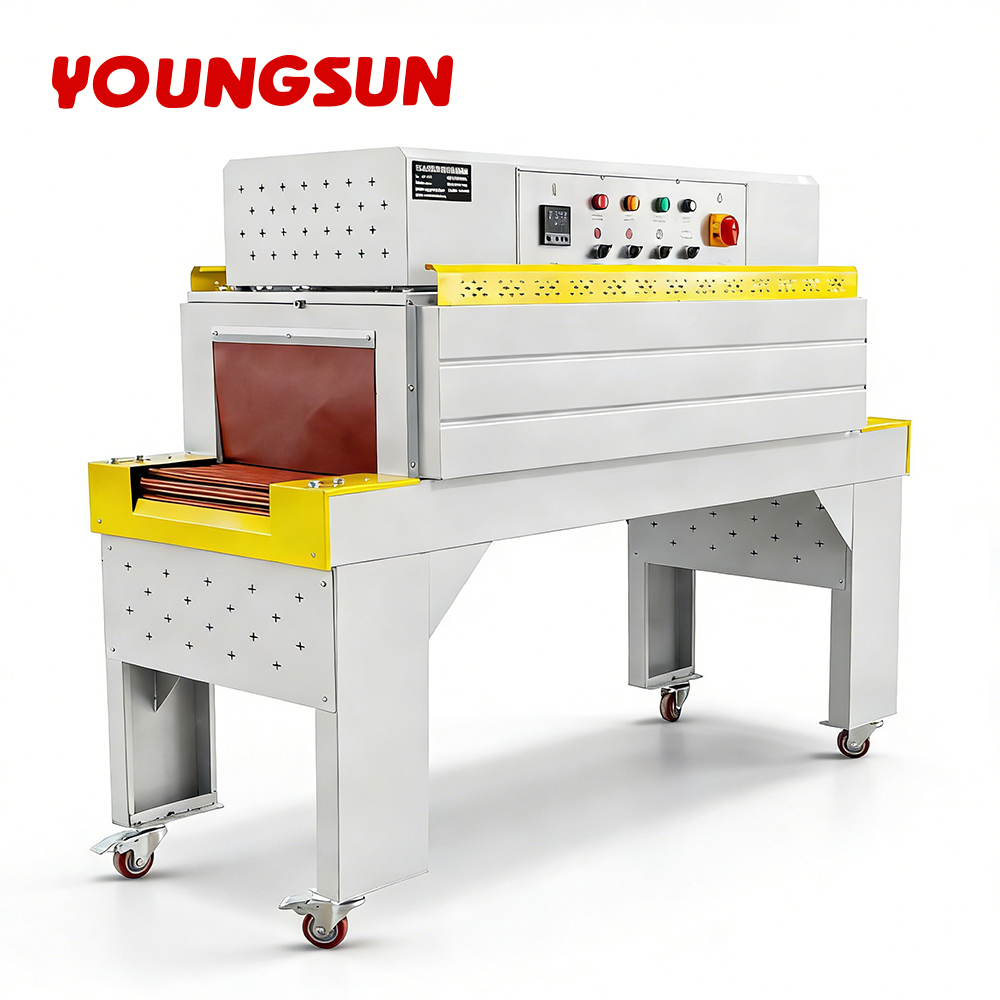
How a Heat Sealer Works: Core Principles and Material Requirements
The Science of Thermal Bonding: Why Only Thermoplastics Seal Reliably
Heat sealers work by creating strong, leak free bonds through melting and fusing thermoplastic materials. These are polymers that get soft when heated but harden again once cooled down. Thermosets such as epoxy or phenolic resins behave differently because they actually break down or burn when exposed to heat. Thermoplastics like polyethylene PE and polypropylene PP have properties that allow their molecules to move around at the point where they touch each other. When we apply heat to these materials, the polymer chains on the surface start to melt. Applying pressure pushes these melted layers together so they mix at the boundary. As everything cools back down, these mixed chains form a solid structure similar to what was there before sealing. Materials that aren't thermoplastics including PET acrylic and polystyrene cant do this melt and flow process because their chemical structure either has permanent cross links or very rigid arrangements. That makes them poor candidates for thermal bonding techniques.
Critical Process Variables: Temperature, Pressure, and Dwell Time Explained
Three interdependent parameters determine seal integrity:
- Temperature must exceed the material’s melting point but remain safely below its thermal degradation threshold. For example, low-density PE seals reliably between 120–150°C; exceeding 160°C risks scorching and loss of barrier properties.
- Pressure (typically 20–50 psi) ensures full, uniform contact across the sealing interface. Too little pressure traps air pockets and yields weak seams; excessive force thins the film and compromises seal strength.
- Dwell time (0.5–3 seconds) governs heat penetration depth. Thicker or multi-layered films require longer exposure to achieve consistent interfacial melting without overheating the surface.
Industrial heat sealers use programmable logic controllers (PLCs) to synchronize these variables precisely—deviations lead to inconsistent seals, delamination, or visible degradation such as discoloration or brittleness.
Heat-Sealable Plastics: PE, PP, PVC, and Laminated Films
Polyethylene (PE) and Polypropylene (PP): Most Common Heat-Sealable Plastics
Polyethylene (PE) and polypropylene (PP) dominate the heat sealing world because they respond predictably to heat, meet all the necessary regulations, and just plain work well in production settings. Let's start with PE first. This material bends easily without breaking, keeps moisture out really well, and has been cleared by the FDA for both food stuffs and medical applications. That makes it perfect for things like those frozen dinner packages we all know, IV fluid containers, and even sterile packaging systems in hospitals. The best part? PE melts at relatively low temperatures between about 110 to 130 degrees Celsius, so the sealing happens fast and doesn't consume much energy. Now switch gears to PP. This one has a higher melting point around 160 to 170 degrees Celsius, which gives it better transparency, stiffer walls, and stronger tensile properties. Packaging companies love this for products displayed on store shelves where appearance matters, plus it works great for medical trays that need to survive autoclave sterilization processes. Both materials create strong bonds when pressed together moderately, but PP stands out especially in situations requiring repeated or intense sterilization due to its wider temperature tolerance range.
PVC and Foil-Laminated Films: Performance and Safety Considerations for Industrial Heat Sealers
The sealing capabilities of PVC and foil laminated materials are impressive, though they need pretty careful setup to work right. PVC works well as a seal between around 100 to 150 degrees Celsius, but once temperatures go past 140-150C it starts releasing HCl fumes that can irritate lungs and corrode equipment. That's why most industrial settings install proper exhaust systems and use tools resistant to corrosion. Foil laminated films like PET/Alu/PE combinations bring together aluminum's barrier properties with polymer sealing abilities, making them essential for things like medicine blister packs and high end snack wrappers where keeping out oxygen and moisture matters a lot. But these multi-layer structures present challenges too. The different materials require just the right amount of time under pressure during processing to avoid layers coming apart or adhesive bleeding through from one layer to another. Environmental concerns and regulations have pushed many companies away from PVC lately, especially after EU restrictions limited chlorine containing packaging materials. As a result, we're seeing more switch to polyolefin based options for products that come into contact with food.
Plastics That Resist Heat Sealing—and Why
Non-Thermoplastic Materials: PET, PS, Acrylic, and Cellophane Failures
Materials like thermoset plastics and those with high crystal content just don't play well with heat sealers since their molecular chains won't move around enough to fuse together properly. Take PET for example. Sure it has a pretty high glass transition temperature around 75 degrees Celsius and melts at about 260°C, but that tightly packed crystal structure stops it from flowing until it starts breaking down. What happens? Brittle seals that fall apart easily. Polystyrene is another problem child. It tends to soften all over the place when heated locally, causing warping issues. Acrylic gets even worse as it cracks up from thermal stress concentrations. And then there's cellophane, which isn't really plastic at all but a type of cellulose film. Above 150°C this stuff breaks down completely rather than melting, turning into carbonized residue instead of forming proper seals. Standard heat sealing equipment just can't handle these materials reliably. That's why manufacturers often turn to alternative methods like glues, ultrasonic welding techniques, or radio frequency sealing when working with such challenging substrates.
Coated, Filled, or Degradation-Prone Plastics: When a Heat Sealer Causes Scorching or Weak Seals
Thermoplastics that are normally good at sealing can still fail after modifications, often showing no signs until it's too late. Polymers filled with minerals like calcium carbonate in polyethylene tend to have trouble flowing properly during melting, which results in weak seals full of tiny holes. When working with barrier coated films such as EVOH or PVDC laminates, there's usually a problem with how different layers respond to heat. The coating might start breaking down before the main plastic layer even begins to melt, leading to peeling issues. Polypropylene exposed to UV light also gets damaged over time through oxidation processes that actually lower its melting point and make it more prone to burning spots. Many additives commonly used in plastics can cut thermal stability by around 20 to 30 degrees Celsius. For anyone running these operations, checking actual resin data sheets is absolutely essential rather than relying on general material references when setting maximum temperatures. Going just 15 degrees past what's considered safe can lead to complete polymer failure, ruining seals and putting products at risk for contamination or malfunction.
FAQ
What types of plastics are best suited for heat sealing?
Polyethylene (PE) and polypropylene (PP) are among the best suited because they respond well to heat, create strong bonds, and meet regulatory standards.
Why can't some plastics be heat-sealed?
Materials like PET, PS, and acrylic have rigid structures that prevent their molecules from fusing properly under heat, leading to weak or brittle seals.
What are the critical variables in the heat sealing process?
The three critical variables are temperature, pressure, and dwell time. Accurate control of these factors ensures a reliable seal.