EN
EN

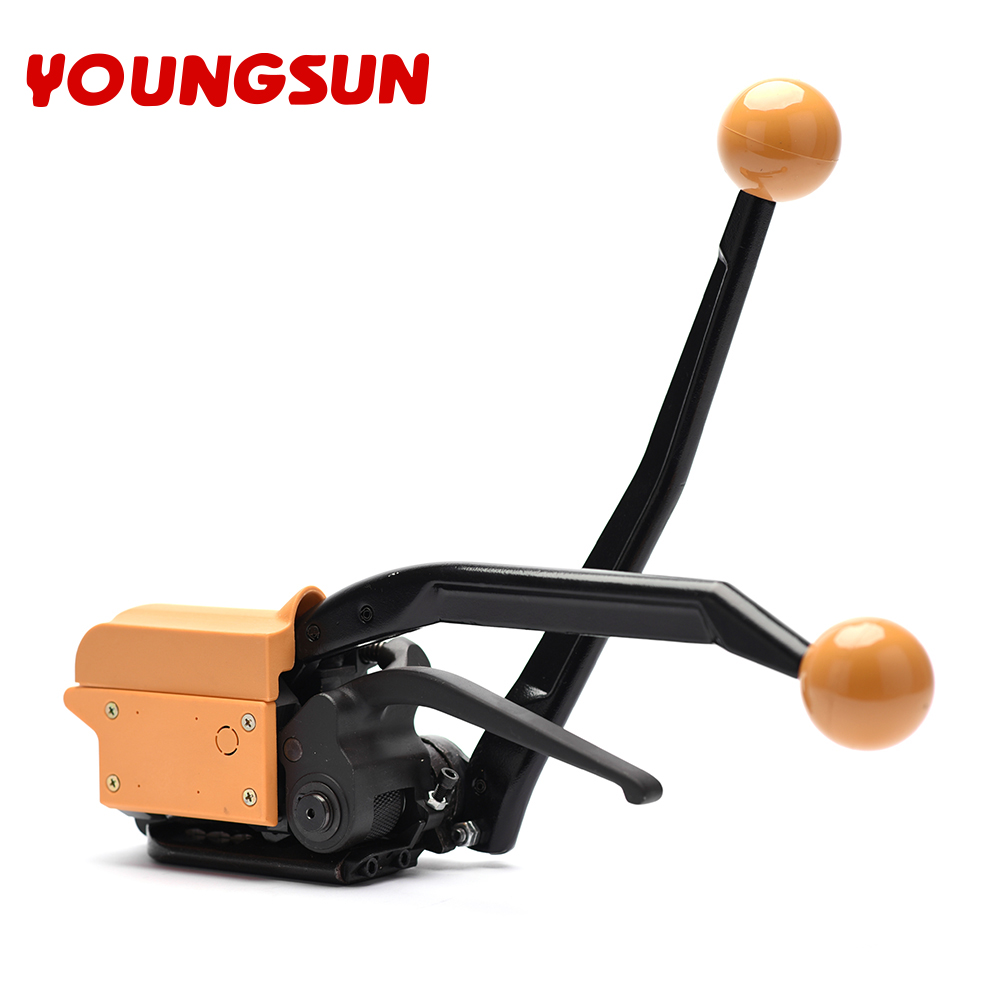
Boost Throughput with Seamless Strapping Machine Integration
Synchronizing strapping machines with conveyors and upstream/downstream packaging equipment
Integrating your strapping machine directly into existing conveyor lines and adjacent packaging systems eliminates manual handling gaps, enabling continuous material flow—from filling stations to strapping to palletizing. By interfacing PLCs across equipment, operators prevent bottlenecks where pallets would otherwise queue for strapping. Leading manufacturers report 15–22% faster cycle times after linking strappers with accumulation conveyors and barcode scanners. This interoperability ensures immediate strap application upon arrival, slashing idle time and accelerating throughput—without added floor space or manual intervention.
Quantifying cycle time reduction: Real-world throughput gains in e-commerce and manufacturing
Pre-integrated strapping systems deliver measurable throughput gains across industries. E-commerce fulfillment centers handling 8,000+ packages daily achieve 18% faster processing by automating tensioning and sealing versus manual methods. Automotive parts suppliers reduced pallet strapping cycles from 90 to 58 seconds—a 35% improvement—after synchronizing strappers with robotic palletizers. These gains translate directly to higher daily output: a 3-shift operation can process 480 additional pallets per day. Crucially, automated consistency eliminates human fatigue variations, maintaining peak speeds even during extended runs.
Reduce Labor Costs and Enhance Workplace Ergonomics
Cutting manual labor hours and mitigating staffing gaps in high-volume operations
Automated strapping solutions eliminate manual tying tasks, reducing packaging labor requirements by up to 70% in distribution centers. This efficiency gain allows facilities facing chronic staffing shortages to sustain output with existing teams—avoiding overtime and recruitment surges. For e-commerce fulfillment operations processing 10,000+ daily shipments, automation saves approximately 15–20 labor hours per shift—equivalent to $740k in annual labor cost savings (Ponemon Institute, 2023). Consistent machine operation ensures uninterrupted throughput during peak seasons without compromising service levels.
Minimizing repetitive strain injuries through automated strap feeding, tensioning, and sealing
By automating the most physically demanding tasks—strap feeding, tension adjustment, and heat sealing—strapping machines reduce musculoskeletal disorder (MSD) risks by 30%, according to OSHA analysis. This significantly lowers workers’ compensation claims and productivity losses tied to injury-related absences, which cost U.S. businesses $170 billion annually. Modern strapping systems are ergonomically designed to eliminate forceful exertions and awkward postures—especially critical for employees performing 500+ strapping cycles per day.
Ensure Load Stability and Minimize Transit Damage
Precision tension control and consistent strap placement for secure unit loads
Modern strapping machines apply scientifically calibrated tension—typically 1,000–5,000 PSI—to generate compression forces that immobilize loads. Automated sensors position straps within ±2 mm tolerances, securing vulnerable corners and load-bearing points. This precision prevents destabilization from vibration or sudden stops, which accounts for 23% of warehouse-to-retail transit damage (Logistics Management, 2022). Unlike manual strapping—where tension varies by as much as 35%—automated systems ensure uniform pressure distribution across every pallet.
Reducing product damage, returns, and warranty claims through reliable strapping machine performance
Facilities using automated strapping report 47% fewer damaged goods compared to manual methods (Logistics Quarterly, 2023). This reliability translates into tangible supply chain savings:
- 31% decrease in consumer returns from crushed corners
- 19% lower warranty claims for impact-related defects
- 27% reduced freight insurance premiums
By eliminating human error in strap application, these machines preserve load integrity under extreme transit conditions—while cutting downstream liabilities tied to damage, returns, and claims.
Achieve Consistent Quality and Measurable Packaging Efficiency Gains
Implementing a strapping machine delivers repeatable tension precision across every load—eliminating human variability in manual securing. This uniformity reduces product damage rates by 19% (Packaging Insights, 2025) and ensures compliance with ISTA, ASTM, and ISO shipping standards. Automated systems generate quantifiable efficiency metrics through integrated tracking of:
- Cycle time per pallet
- Material consumption versus output ratios
- Error frequency requiring rework
- Labor minutes saved per shift
These KPIs enable data-driven decisions for continuous improvement—for example, optimizing strap tension settings to reduce material waste by 8–12% without compromising load security. By establishing baseline performance measurements pre-automation and comparing post-implementation results, facilities document concrete ROI through lower operational costs, reduced warranty claims, and fewer product returns—directly strengthening customer satisfaction and brand reputation.
FAQs
1. How does integrating strapping machines with conveyors improve throughput?
Integrating strapping machines with conveyors ensures a seamless flow of materials without manual intervention. This reduces bottlenecks and speeds up the packaging process, leading to 15-22% faster cycle times.
2. What are the labor savings when using automated strapping machines?
Automated strapping machines can reduce manual labor requirements by up to 70%, saving approximately 15-20 labor hours per shift in high-volume operations.
3. How do automated strapping machines minimize product damage?
Automated machines deliver precise tension control and consistent strap placement, reducing product damage rates by ensuring uniform pressure distribution.
4. Are there ergonomic benefits to using automated strapping systems?
Yes, by automating strenuous tasks, these systems reduce the risk of repetitive strain injuries by 30%, benefiting workplace ergonomics significantly.