EN
EN

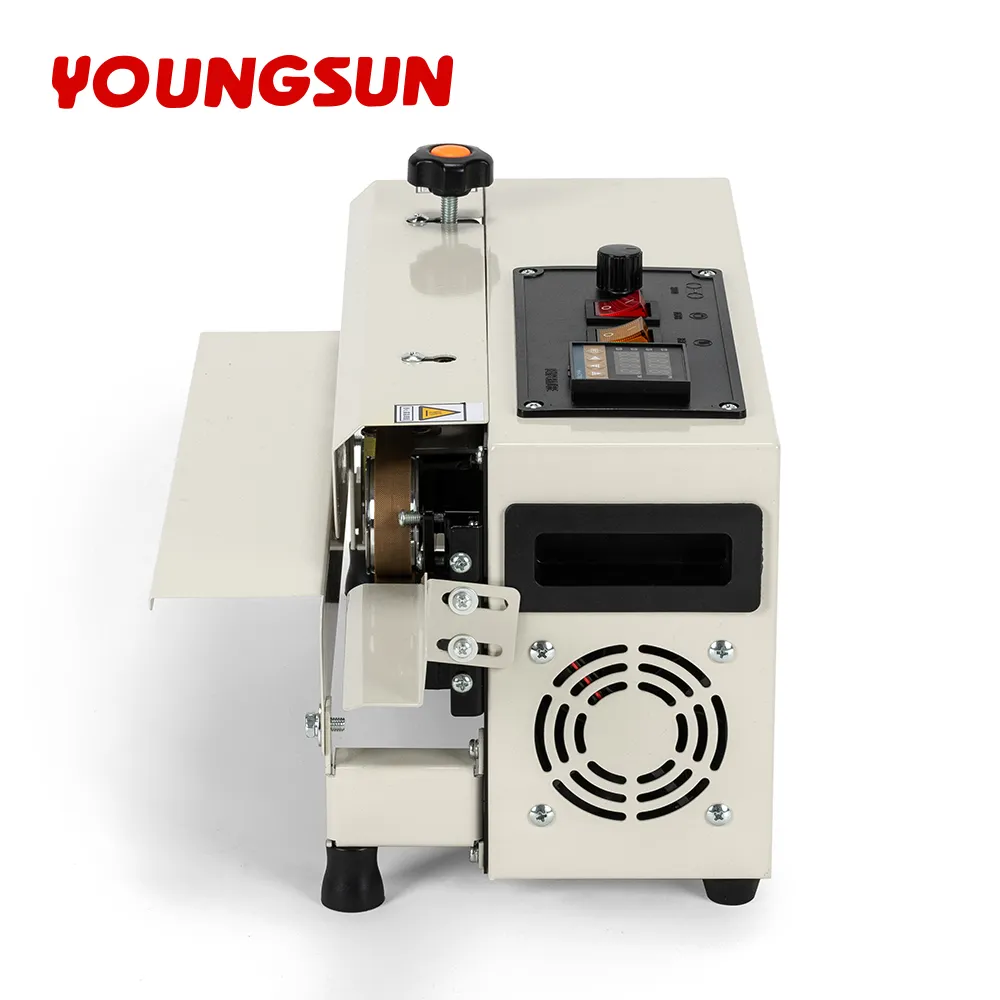
နေ့စဉ်နှင့် အပတ်စဉ် ပိတ်မှုန်းစက် ထိန်းသောင်းရေး အရေးကြီးသည့် အချက်များ
မှုန်းစက်ပေါ်တွင် မြန်မြန် မျက်စိဖြင့် စစ်ဆေးခြင်းနှင့် သန့်ရှင်းရေးလုပ်ခြင်းဖြင့် ညစ်ညမ်းမှုနှင့် ပွန်းပဲမှုကို ကာကွယ်ပေးခြင်း
အပိတ်အမိုးစက်ကို နေစဉ် အမြန်စစ်ဆေးခြင်းသည် မိနစ်ငါးခုသာကုန်ကာ အထူးသဖြင့် အရေးကြီးသော အကျိုးကျေးဇူးများကို ဖော်ပေးပါသည်။ အထူးသဖြင့် အစိတ်အပိုင်းများ အမြဲတမ်း ထိလုံးဝနေသော နေရာများဖြစ်သည့် အပိတ်အမိုးခေါင်း (jaws) နှင့် ပို့လွှင့်စက်ဘယ်လ့် (conveyor belts) တွင် အမှိုအမွှားများ သို့မဟုတ် ကုန်ကြမ်းကျန်ရှိမှုများ စုပုံလာခြင်းကို စစ်ဆေးပါ။ အရာဝတ္ထုတစ်ခုခု မှီးမှောင်နေသည်ကို တွေ့ရပါက အစားအစာအတွက် လုံခြုံသော နူးညံ့သော သန့်စင်ဆေးများဖြင့် ချက်ချင်းသန့်စင်ပါ။ ဤသို့သော သေးငယ်သော ထိန်းသိမ်းမှုစစ်ဆေးမှုများသည် မျှော်လင့်မထားသော စက်ပိတ်ဆို့မှုများကို အများအားဖြင့် သုံးဆယ်ရှိသည့် ရှုခ်အထိ လျော့ကျစေပြီး အစိတ်အပိုင်းများကို ပုံမှန်အတိုင်းထက် ပိုမိုကြာရှည်စွာ အလုပ်လုပ်နိုင်စေပါသည်။ သို့သော် ဤအဆင့်ကို ကျော်လွှားလိုက်ပါက အမှိုအမွှားများသည် အလွန်မြန်မြန် စုပုံလာပါမည်။ အချိန်ကြာလာသည်နှင့်အမျှ ဤညစ်ပတ်မှုများသည် အပိတ်အမိုးများကို ပိုမိုမြန်မြန် ပျက်စီးစေပါသည်။ ထိုအခါ စက်ပိတ်ဆို့မှုကြောင့် စုံစမ်းမှုများ အများအားဖြင့် အကြိမ်တိုင်း ၅ နှင့် ၁၀ နာရီကြာသည်ဟု အထုပ်ပိုးခြင်းလုပ်ငန်းများတွင် အလုပ်လုပ်သူများက အများအားဖြင့် အစီရင်ခံကြပါသည်။
အပိတ်အမိုးခေါင်း (Sealing Jaw) များ၏ တည့်မှန်မှုနှင့် အိတ်များကို ပို့လွှင့်ခြင်း (Pouch Feed) တွင် တည်ငြိမ်မှုကို စစ်ဆေးခြင်း
တစ်ပတ်တစ်ခါ ချိတ်ဆက်မှု စစ်ဆေးမှုတွေဟာ ပုံမှန် ပြုပြင်မှု အစိတ်အပိုင်းတစ်ခု ဖြစ်သင့်ပြီး ပါးစပ်တွေ တစ်လျှောက်လုံး အတန်းလိုက်ရှိဖို့ ယုံကြည်ရတဲ့ အတိုင်းအတာ တိုင်းတာတဲ့ ကိရိယာတွေကို သုံးပြီး သေချာအောင် လုပ်သင့်ပါတယ်။ ဒါကိုလုပ်နေတုန်းမှာ အိတ်ထဲ ထည့်တဲ့ အစားအစာစနစ် အလုပ်လုပ်ပုံကိုလည်း မမေ့ပါနဲ့။ ၎င်းဟာ ချော်ချော်မှုမရှိဘဲ၊ နေရာမှ မထွက်ဘဲ၊ ချောမွေ့စွာနဲ့ တစ်သမတ်တည်း ရှေ့ဆက်ဖို့ လိုအပ်ပါတယ်။ သေးငယ်တဲ့ မညီမျှမှုဟာ သိပ်မကြီးဘူးလို့ ထင်စရာရှိပေမဲ့ တကယ်တမ်းမှာ အပိတ်ခံအားကို ၂၅% လျော့ချပြီး အချိန်ကြာလာတာနဲ့အမျှ မလိုအပ်တဲ့ ရုပ်ရှင်အမှိုက်တွေ ဖန်တီးနိုင်ပါတယ်။ ဒီတိုင်းတာမှုတွေကို မှတ်တမ်းတင်ထားပါ။ ဒီတော့ နှေးကွေးတဲ့ မျောလွင့်မှု ပြဿနာတွေကို အစောပိုင်းမှာ တွေ့နိုင်အောင်ပါ။ ပြဿနာတစ်ခုတည်း ထပ်တလဲလဲ ပေါ်လာနေတဲ့အခါ ဒါက လမ်းညွှန်တွေ အချို့ ကျွမ်းနေပြီ (သို့) ပိုကြီးတဲ့ ခေါင်းကိုက်မှုတွေ မဖြစ်ပွားခင် တင်းအားပေးဆော့တွေ အစားထိုးဖို့လိုတာ ဆိုလိုတာပါ။
အပ်ချုပ်မှုနှင့် ရွေ့လျားသော အစိတ်အပိုင်းများအတွက် အဆီပေးခြင်း အကောင်းဆုံးကျင့်သုံးမှု
အစားအစာ အဆင့်ရှိ ဆီလူးလိမ်းဆေးကို တစ်ပတ်တစ်ခါ သုံးခြင်းဟာ pivot point တွေ၊ slider တွေ၊ bearings တွေအတွက် အရေးကြီးပါတယ်။ အထူးသဖြင့် ချောင်းချောင်းချောင်းတွေနဲ့ ကမ်လိုက်နာသူတွေလို ပွတ်တိုက်မှု အများကြီးရှိတဲ့ နေရာတွေမှာပါ။ အဆီလိမ်းဆေး ရွေးချယ်ရာတွင် ထုတ်လုပ်သူ၏ အကြံပြုချက်များကို အသေအချာ လိုက်နာပါ။ သန့်ရှင်းတဲ့ ခြောက်သွေ့တဲ့ အပိုင်းတွေကို အဝတ်နဲ့လိမ်းပေးပါ ဒါတွေက ဖုန်မှုန့်တွေကို ဆွဲဆောင်မပေးစေဖို့ပါ။ ဒီနည်းကို မှန်ကန်စွာ လုပ်ခြင်းက တကယ့် ခြားနားချက်တစ်ခု ဖန်တီးပေးတယ်။ လေ့လာမှုတွေက ပြတာက သင့်တော်တဲ့ ထိန်းသိမ်းမှုက ပွတ်တိုက်မှုကနေ စွမ်းအင်ဖြုန်းတီးမှုကို ၁၅ ရာခိုင်နှုန်းလောက် လျှော့ချနိုင်ပြီး တကယ်တမ်းမှာ တံဆိပ်တွေကို နှစ်နှစ်ကနေ သုံးနှစ်အထိ ပိုကြာအောင် လုပ်ပေးတာပါ။ လိမ်းပြီးတာနဲ့ ကျန်တဲ့ ဆီလိမ်းဆေးကို မမေ့ပါနဲ့။ များလွန်းတာကို ထားလိုက်ရင် နောက်ပိုင်းမှာ ပြဿနာတွေ ဖြစ်ပေါ်လာတယ်၊ ကျန်ကြွင်းမှုတွေက စုစည်းလာပြီး ညစ်ညမ်းမှု အမျိုးမျိုး ဆွဲဆောင်လာပါတယ်။
အရေးပါတဲ့ တံဆိပ်ခတ်စက် အစိတ်အပိုင်းများအတွက် အစီအစဉ်ချထားသော အစားထိုးခြင်း
ဘယ်အချိန်နဲ့ ဘယ်လို Teflon Tape၊ Seal Bands နဲ့ Silicone Rubber Bar တွေကို အစားထိုးရမလဲ
ပြင်းထန်တဲ့ တံဆိပ်ပျက်စီးမှု ရှောင်ရှားဖို့ အဝတ်ဆင်လွယ်တဲ့ အစိတ်အပိုင်းတွေကို တုံ့ပြန်မှုမဟုတ်ပဲ ကြိုတင်ပြင်ဆင်ပါ။
- Teflon tape ၃ လမှ ၆ လအကြာတွင် အစားထိုးပေးရန်—သို့မဟုတ် ခြစ်ရှားခြင်း၊ အရောင်မှုန်ဝါခြင်း သို့မဟုတ် ကပ်စားမှုအနှစ်အိုးများဖြင့် ဖ покရှိနေပါက အများဆုံးမှုန်းသည့်အထိ အစားထိုးပေးရန်။ ပထမဦးစွဲအားဖွင့်ပေးပြီး စက်ကို ပိုင်းခြားထားပါ။ အောက်ခံအဖ покများကို ဖယ်ရှားပါ၊ အသုံးပျော့သွားသော တေပ်ကို ဖယ်ရှားပါ၊ အိုင်ဆိုပရိုပေါ်လ် အယ်လ်ကိုဟောლ်ဖြင့် မျက်နှာပုံကို စုံလင်စွာသန့်စင်ပါ၊ ထို့နောက် အသစ်သော တေပ်ကို ချောမွေ့စွာနှင့် အရေးအကြောင်းမရှိစွာ ကပ်လိုက်ပါ။
- ပိတ်မှုန်းပါးများ အများအားဖြင့် နှစ်စဥ် နှစ်ကြိမ် အစားထိုးရန် လိုအပ်ပါသည်။ ၀.၁ မီလီမီတာ ဖီလာဂေါ်ဂ်ဖြင့် ပုံပျက်ခြင်း၊ အန်းမှုန်းမှုန်းမှုန်းမှုန်းမှုန်းမှုန်းမှုန်းမှုန်းမှုန်းမှုန်းမှုန်းမှုန်းမှုန်းမှုန်းမှုန်းမှုန်းမှုန်းမှုန်းမှုန်းမှုန်းမှုန်းမှုန်းမှုန်းမှုန်းမှုန်းမှုန်းမှုန်းမှုန်းမှုန်းမှုန်းမှုန်းမှုန်းမှုန်းမှုန်းမှုန်းမှုန်းမှုန်းမှုန်းမှုန်းမှုန်းမှုန်းမှုန်းမှုန်းမှုန်းမှုန်းမှုန်းမှုန်းမှုန်းမှုန်းမှုန်......
- ဆီလီကွန်ရောင်ခြင်း ဘားများ ဖိအားပေးမှုကြောင့် အသုံးပျော့သွားခြင်းဖြစ်ပါသည်။ သုံးလတစ်ကြိမ် ဒူရိုမီတာဖြင့် အမျော့အမာကို တိုင်းတာပါ။ ရှော်အေ အမာမှုန်းမှုန်းမှုန်းမှုန်းမှုန်းမှုန်းမှုန်းမှုန်းမှုန်းမှုန်းမှုန်းမှုန်းမှုန်းမှုန်းမှုန်းမှုန်းမှုန်းမှုန်းမှုန်းမှုန်းမှုန်းမှုန်းမှုန်းမှုန်းမှုန်းမှုန်းမှုန်းမှုန်းမှုန်းမှုန်းမှုန်းမှုန်းမှုန်းမှုန်းမှုန်းမှုန်းမှုန်းမှုန်းမှုန်းမှုန်းမှုန်းမှုန်းမှုန်းမှုန်းမှုန်းမှုန်းမှုန်းမှုန်းမှုန်းမှုန်းမှ......
အပူပေးသည့်အစိတ်အပိုင်းများနှင့် တက်ဖလွန်းပါးများတွင် ပျက်စီးမှုလက္ခဏာများကို သိရှိခြင်း
အပူပေးသည့်အစိတ်အပိုင်းများ ပျက်စီးလာချိန်တွင် လုပ်သက်များသည် အများအားဖြင့် အပူခါးများတွင် အပူခါးများ မတေးမတ်ဖြစ်နေခြင်းကို သတိပြုမိကြပြီး ထိုအချက်ကို အပူခါးများကို အိုင်န်ဖရာရက် သံယောဇဉ်ဖြင့် လွယ်ကူစွာ စစ်ဆေးနိုင်ပါသည်။ စိတ်အနှောင့်အယှက်ဖေးသည့် အပူခါးများနှင့် အအေးခါးများ (စင်တီဂရိတ် ၅ ဒီဂရီထက် ပိုမိုကွဲပြားခြင်း)၊ ပုံမှန်ထက် ပိုမိုကြာရှည်သည့် စက်လုပ်ဆောင်မှုအချိန်များ သို့မဟုတ် မျက်နှာပုံပေါ်တွင် မီးခိုးအစက်များ သို့မဟုတ် အရေပေါ်တွင် ပေါက်ကွဲမှုများ ဖြစ်ပေါ်လာခြင်းကို သတိထားပါ။ တက်ဖလွန်း ပါတ်များသည်လည်း အသက်မှီသည်မဟုတ်ပါ။ အချိန်ကြာလာသည်နှင့်အမျှ အသုံးပြုမှုကြောင့် အခြေခံအုတ်မူးမှ ခွဲထွက်လာခြင်း၊ ပေါက်ကွဲမှုများ ဖြစ်ပေါ်လာခြင်း သို့မဟုတ် ကာဗွန်အနေနဲ့ ကျန်ရစ်ခြင်းတို့ကဲ့သို့သော လက္ခဏာများ ပေါ်ပေါက်လာပါသည်။ သုတေသနများအရ ဤကဲ့သို့သော ပုံမှန်အသုံးပြုမှုကြောင့် ဖြစ်ပေါ်လာသည့် ပျက်စီးမှုများသည် ပြဿနာများ စတင်ပေါ်ပေါက်ပြီး ၆ လအကြာတွင် အပူခါးများ၏ အားကောင်းမှုကို ၃၇ ရှုံးနေစေနိုင်ပါသည်။ ပုံမှန်ထိန်းသိမ်းမှုအတွက် စံနှုန်းအတိုင်း အသုံးပြုသည့် အထုပ်များဖြင့် အပူခါးများကို အပ်ချိန်စမ်းသပ်မှုများကို တစ်ပတ်လျှင် တစ်ကြိမ် ပြုလုပ်ပါ။ အပူခါးများကို ခွဲထုတ်ရန် လိုအပ်သည့် အားသည် ၁၅ မီလီမီတာလျှင် ၁၂ နျူတန်အောက်သို့ ကျဆင်းလာပါက အပူခါးများကို အသစ်အစားထိုးရန် အချိန်ရောက်ပါပါသည်။ အပူခါးများ၏ အပူခါးများကို တစ်လလျှင် တစ်ကြိမ် စစ်ဆေးပါ။ ဤစစ်ဆေးမှုများကို မှတ်တမ်းတင်ထားခြင်းဖြင့် ထိရောက်မှု ကျဆင်းမှုများကို အစောပိုင်းတွင် သတိပြုမိနိုင်ပါသည်။ ထိုသို့သော ကျဆင်းမှုများကို အချိန်မှီ မှတ်သားထားခြင်းဖြင့် နောက်ပိုင်းတွင် ထုတ်လုပ်မှုဆိုင်ရာ ပိုမိုကြီးမားသည့် ပြဿနာများ ဖြစ်ပေါ်လာခြင်းကို ကာကွယ်နိုင်ပါသည်။
ယုံကြည်စိတ်ချရသော စွမ်းဆောင်ရည်အတွက် အပူခါးမှုန်းခါးမှုနှင့် ပိုက်ဆံပေါ်တွင် အရည်အသွေးထိန်းချုပ်မှု
အသိအမှတ်ပြုမှုအား တည်ငြိမ်စေရန် ပိုက်ဆံပေါ်တွင် အပူခါးမှုကို စောင်းကြည့်ခြင်းနှင့် ညှိခြင်း
ပေါလီမာများကို ယုံကုံစေရန် အပူချိန်ကို တိကျစွာ ထိန်းညှိရန် အရေးကြီးပါသည်။ လက်ရှိတွငေ့ရှိနေသော အသုံးများအတွက် အများအားဖြင့် ဇောက်များသည် စင်တီဂရိတ် ၁၂၀ မှ ၁၈၀ ဒီဂရီအထိ အပူချိန်တွင် ထိန်းသိမ်းရန် လိုအပ်ပါသည်။ ထိုအပူချိန်များသည် ဖိအားအဆင့်များနှင့် ပစ္စည်းကို အပူပေးသည့် အချိန်ကာမှုန်းတွင် လက်တွေ့ကျစွာ အလုပ်လုပ်နိုင်ရန် လိုအပ်ပါသည်။ အပူချိန်သည် ၃ ဒီဂရီအထိ အနည်းငယ်မှားယွင်းသော်လည်း မော်လီကျူးများသည် မှန်ကန်စွာ ချိတ်ဆက်မှုမရှိဘဲ နောက်ပိုင်းတွင် ရေယိုစေခြင်းနှင့် အပိတ်အမှုန်းမှုမှုန်းမှုမှုန်းမှုမှုန်းမှုမှုန်းမှုမှုန်းမှုမှုန်းမှုမှုန်းမှုမှုန်းမှုမှုန်းမှုမှုန်းမှုမှုန်းမှုမှုန်းမှုမှုန်းမှုမှုန်းမှုမှုန်းမှုမှုန်းမှုမှုန်းမှုမှုန်းမှုမှုန်းမှုမှုန်းမှုမှုန်းမှုမှုန်းမှုမှုန်းမှုမှုန်းမှုမှုန်းမှုမှုန်းမှုမှုန်းမှုမှုန်းမှုမှုန်းမှုမှုန်းမှုမှုန်းမှုမှုန်းမှုမှုန်းမှုမှုန်းမှ......
ကယ်လီဘရေးရှင်း ရှစ်ဖ်ထ် ဆန်းစစ်ခြင်း – မစောင်းမီ စောင်းမှုများသည် ပိတ်မှုအားကို ၃၇% အထိ လျော့ကျစေသည်
ထောက်ခံမှုအပိုင်းများသည် အချိန်တိုင်းအလုပ်လုပ်နေပါက နှစ်စဥ် စင်တီဂရိတ် ၂ ဒီဂရီမှ ၅ ဒီဂရီအထိ ဖောက်ထွငေးသွားတတ်ပါသည်။ ထိုသို့သော ဖောက်ထွငေးမှုများသည် အချိန်ကြာလာသည်နှင့်အမျှ အပိုင်းအစများ၏ အမိုးအကာမှုအားကို တိတ်တိတ်ခိုးခိုး ပျက်ပါသည်။ ထိုသို့သော အပေါ်ယံပြောင်းလဲမှုများကို မကုစီးပါက အလွှာများကြား ကပ်နေမှုအား အားနည်းစေပြီး သိပ္ပံနည်းကျ ဂီတာများတွင် ဖော်ပြထားသော အထုပ်ပစ္စည်းစမ်းသပ်မှုများအရ အလွှာခွဲခြင်းအား (peel strength) သည် ၄၀ ရှိသမျှအထိ လျော့နည်းသွားနိုင်ပါသည်။ ထိုသို့သော အကျိုးဆက်များသည် စီမံခန့်ခွဲမှုအားဖြင့် ထိန်းချုပ်ထားသော လုပ်ငန်းများကို အထူးသဖြင့် ထိခိုက်စေပါသည်။ ဆေးဝါးများသည် သူတို့၏ သက်တမ်းကုန်ဆုံးရက်မှီ အားသောက်မှု လျော့နည်းသွားပါသည်။ အစားအစာအထုပ်များသည် ပိုမိုဆိုးရွမ်းသော အကျိုးဆက်များကို ခံစားရပါသည်။ တစ်ခါတစ်ရံတွင် အကာအကွယ်ပေးသော အထုပ်အားကို မှန်ကန်စွာ အသုံးမပြုနိုင်တော့သောကြောင့် မျှော်မှန်းထားသော သက်တမ်းကုန်ဆုံးရက်အထိ အားလုံးပါ ဆုံးရှုံးသွားနိုင်ပါသည်။ အချိန်မှန်မှန် စီမံထားမှုကို ထိန်းသိမ်းရန်အတွက် အမေရိကန်နိုင်ငံ၏ အများပြည်သူအတွက် စံချိန်စံညွှန်းများကို အခြေခံသော အမေရိကန်နိုင်ငံ စံချိန်စံညွှန်းများ အဖွဲ့ (NIST) နှင့် ချိတ်ဆက်နိုင်သော စက်ပစ္စည်းများဖြင့် လေးပါးတစ်လ တစ်ကြိမ် စီမံချိန်ညှိမှုများကို စစ်ဆေးပါ။ စမ်းသပ်မှုများတွင် အမိုးအကာအားသည် အုန်းစ် ၂ ပေါင်/အုန်းစ် (မီတာ ၁၅ မီလီမီတာတွင် နျူတန် ၃.၅ ခန်း) အောက်သို့ ကျဆင်းလာပါက ထိုအချိန်တွင် နောက်ထပ် စီမံချိန်ညှိမှုများကို ပြုလုပ်ရန် အချိန်ရောက်ပါပါသည်။ ထိုသို့သော စီမံချိန်ညှိမှုများကို အမြဲလုပ်ဆောင်ခြင်းဖြင့် ISO 11607 စံချိန်စံညွှန်းများနှင့် ကောင်းမွန်သော ထုတ်လုပ်မှုလုပ်ထိုက်သော စံနှုန်းများကို အားလုံးအတွက် ထိန်းသိမ်းနိုင်ပါသည်။
ပိတ်မှုန်းစက်များအတွက် ကာကွယ်ရေး ထိန်းသိမ်းမှု၏ ROI
ပုံမှန်ထိန်းသောင်းမှုများသည် စက်မှုလုပ်ငန်းများအတွက် ခြုံငုံစုံစမ်းမှုကုန်ကုန်ကုန်ကုန်ကုန်ကုန်ကုန်ကုန်ကုန်ကုန်ကုန်ကုန်ကုန်ကုန်ကုန်ကုန်ကုန်ကုန်ကုန်ကုန်ကုန်ကုန်ကုန်ကုန်ကုန်ကုန်ကုန်ကုန်ကုန်ကုန်ကုန်ကုန်ကုန်ကုန်ကုန်ကုန်ကုန်ကုန်ကုန်ကုန်ကုန်ကုန်ကုန်ကုန်ကုန်ကုန်ကုန်ကုန်ကုန်ကုန်ကုန်ကုန်ကုန်ကုန်ကုန်ကုန်ကုန်ကုန်ကုန်ကုန်ကုန်ကုန်ကုန်ကုန်ကုန်ကုန်ကုန်ကုန်ကုန်ကုန်ကုန်ကုန်ကုန်ကုန်ကုန်ကုန်ကုန်ကုန်ကုန်ကုန်ကုန်ကုန်ကုန်ကုန်ကုန်ကု......
မေးလေ့ရှိသောမေးခွန်းများ
အပိတ်အဆိပ်စက်များကို နေ့စဉ်စစ်ဆေးခြင်းသည် အဘယ်ကြောင့် အရေးကြီးပါသနည်း။
နေ့စဉ်စစ်ဆေးခြင်းသည် ပုံဖော်မှုများ စုပုံလာခြင်းကို ကာကွယ်ပေးပြီး စက်ပစ္စည်းများ၏ ပုံပေါ်မှုနှင့် ပျက်စီးမှုများကို လျော့နည်းစေကာ မျှော်လင့်မထားသော ပျက်စီးမှုများဖြစ်ပွားနိုင်ခြင်းကို လျော့နည်းစေပါသည်။ ထို့ပါး စက်ပစ္စည်းများ၏ သက်တမ်းကို ရှည်လျားစေပါသည်။
Teflon တာပ်နှင့် အပိတ်အဆိပ်ပါဝါများကဲ့သို့သော အပိတ်အဆိပ်စက်များ၏ အစိတ်အပိုင်းများကို မည်မျှကြာမျှ အစားထိုးရမည်နည်း။
Teflon တာပ်ကို ၃ လမှ ၆ လအတွင်း အစားထိုးရမည်ဖြစ်ပြီး အပိတ်အဆိပ်ပါဝါများကို ပုံမှန်အားဖြင့် တစ်နှစ်လျှင် နှစ်ကြိမ် အစားထိုးရမည်ဖြစ်ပါသည်။ ထိုသို့မှုန်းခြင်းဖြင့် အပိတ်အဆိပ်ပါဝါများ ပျက်စီးမှုကြီးများကို ကာကွယ်နိုင်ပါသည်။
ပုံမှန်ပြုပြင်ထိန်းသိမ်းမှုသည် အပိတ်အဆိပ်စက်များ၏ ROI ကို မည်သို့သိမ်းသော သက်ရောက်မှုရှိပါသနည်း။
ပုံမှန်ပြုပြင်ထိန်းသိမ်းမှုသည် ပျက်စီးမှုများကို ကာကွယ်ပေးပြီး စက်ပစ္စည်းများ၏ သက်တမ်းကို တိုးမြှင့်ပေးကာ လုပ်ငန်းလည်ပါတ်မှုစရိတ်များကို လျော့နည်းစေပါသည်။ ထို့ကြောင့် ပြုပြင်ထိန်းသိမ်းမှုတွင် ရင်းနှီးမှုအတွက် တစ်နှစ်အတွင်း အကျိုးအများကြီးရရှိစေပါသည်။
အကြောင်းအရာများ
-
နေ့စဉ်နှင့် အပတ်စဉ် ပိတ်မှုန်းစက် ထိန်းသောင်းရေး အရေးကြီးသည့် အချက်များ
- မှုန်းစက်ပေါ်တွင် မြန်မြန် မျက်စိဖြင့် စစ်ဆေးခြင်းနှင့် သန့်ရှင်းရေးလုပ်ခြင်းဖြင့် ညစ်ညမ်းမှုနှင့် ပွန်းပဲမှုကို ကာကွယ်ပေးခြင်း
- အပိတ်အမိုးခေါင်း (Sealing Jaw) များ၏ တည့်မှန်မှုနှင့် အိတ်များကို ပို့လွှင့်ခြင်း (Pouch Feed) တွင် တည်ငြိမ်မှုကို စစ်ဆေးခြင်း
- အပ်ချုပ်မှုနှင့် ရွေ့လျားသော အစိတ်အပိုင်းများအတွက် အဆီပေးခြင်း အကောင်းဆုံးကျင့်သုံးမှု
- အရေးပါတဲ့ တံဆိပ်ခတ်စက် အစိတ်အပိုင်းများအတွက် အစီအစဉ်ချထားသော အစားထိုးခြင်း
- ယုံကြည်စိတ်ချရသော စွမ်းဆောင်ရည်အတွက် အပူခါးမှုန်းခါးမှုနှင့် ပိုက်ဆံပေါ်တွင် အရည်အသွေးထိန်းချုပ်မှု
- ပိတ်မှုန်းစက်များအတွက် ကာကွယ်ရေး ထိန်းသိမ်းမှု၏ ROI
- မေးလေ့ရှိသောမေးခွန်းများ