EN
EN

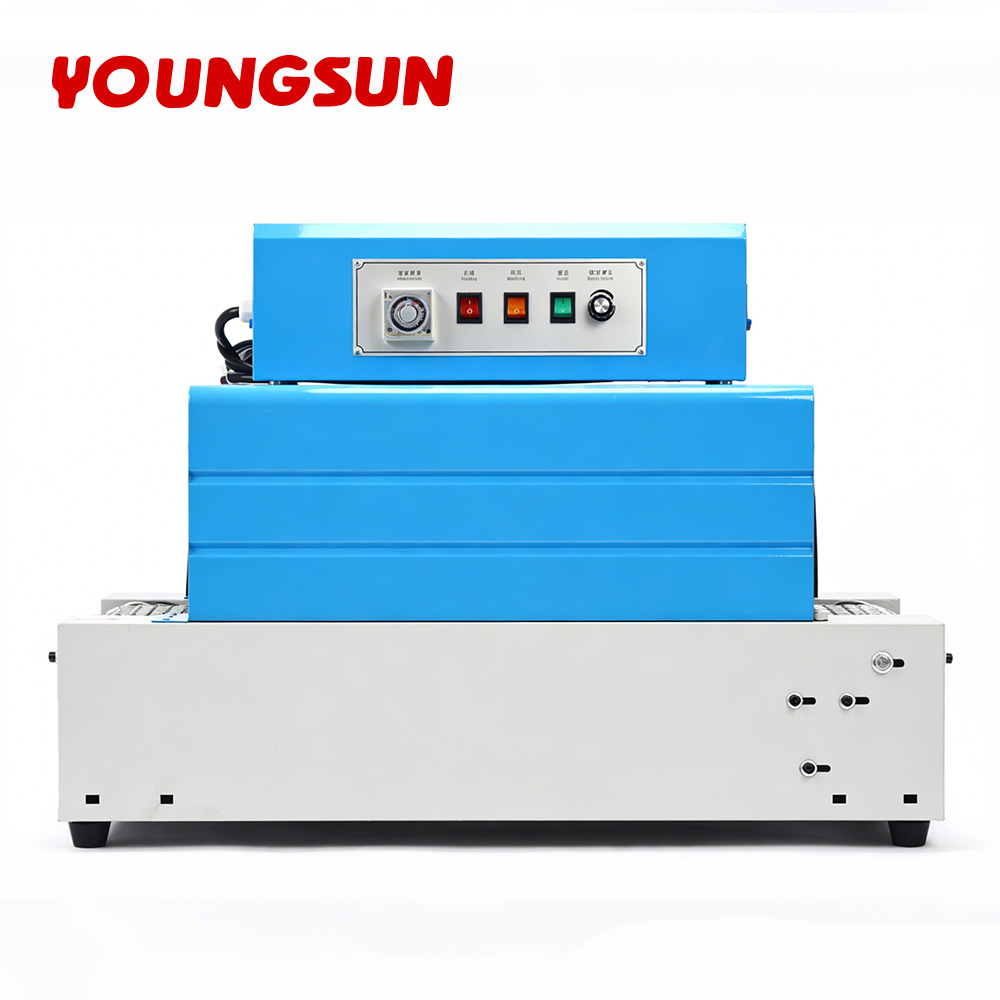
Cad Is Mínean Scairt-Phacáil É Agus Conas a Oibríonn Sé?
Úsáideann mínean scairt-phacáil film teirmoplastach chun pacáiste cosanta a chruthú atá soiléir go bhfuil sé curtha ina aghaidh, timpeall ar tháirgí. Nuair a chuireann an teas air, titeann an film go tiubh—ag cruthú bárracháin sláintiúil in aghaidh fuaime, salann agus damáiste fisiciúil, agus ag fheabhsú radharc na siopa. Tá an próiseas bunaithe ar thrí chéim: cuir an táirge isteach sa film gan tinteáil, sealadh teasa ar na ceanglanna, agus cur teasa rialaithe ar an bhfilm chun titim cothrom a ghníomhachtú.
Cómhponnta Cuirte agus Prionncísi Oibrigh
Tá comhpháirteanna eisínta san áireamh: scagaire film, barra sealála, agus tuinne te. Scagann an scagaire an film shrunk—go minic is polyeoleafin nó polyeitilín é—agus cruthaíonn an barra sealála sreanganna airtight agus cothrom. Ansin aimsíonn na táirgeoirí tuinne te, áit a n-éilíonn teochta idir 120–180°C contracshún móilíneach sa film, ag ligean do chomhfhreagrú daingean a bhaint amach fiú timpeall ar fhoirmeanna neamhrialta. Stablóidh córas fuaraithe intégrithe an pacáiste deiridh roimh a dheimhniú. Is ríthábhachtach an teocht a chaláiléirítear go cruinn: is féidir le hearráidí teochta cailliúintí, geata, nó shrunk neamhiomlán a fhágáil.
Cineálacha Míchini Shrink Wrapping de réir leibhéal uathoibriúcháin
- Córais Láimhe : Teastaíonn luchtú láimhe agus suíomh an fheilm; oiriúnach do oibríochtaí beaga (níos lú ná 50 aonad/uair).
- Leith-uathoibríoch : Uathoibríonn an t-ithir agus an sealáil ach tá luchtú láimhe riachtanach; bainistíonn siad 100–300 aonad/uair.
-
Go hiomlán comhshuiteach : Tá sreangacha intégrithe, láimhseáil róbótaí, gearrthóga uathoibríocha, agus scannáin cáilíochta i rith ama fíor-aimseartha acu; próiseáiltear 500–2,000+ aonad/uair.
Tá leibhéal an uathamhaisithe i díreach ag tiontú riachtanais an laeine—laghdaíonn na samplaí go hiomlán uathamhaisithe riachtanais an laeine ar feadh an 60% i gcomparáid le roghanna láimhseála, de réir tomhas an tionsaí ón Institute of Packaging Machinery Manufacturers (PMMI).
Buntáistí Iarchéime a úsáideann Míneachán Críochnaithe Leathrach i bhFuinneamh Táirge
Cosaint Fhorleathan an Táirge agus Tacaíocht ar an Leabharlann
Tugann críochnaithe leathrach comharthaíochta a chuireann in iúl go dtugtar leis an táirge, agus barra trasnaimh a chosnaíonn an táirge i gcoinne contamainíocht timpeallachta agus damáiste a thagann le trasnú. Maidir le hábhair a chaithfear a úsáid go tapa mar bia agus deóghanna, méadaíonn sé an tréimhse a fhanann an táirge ar fáil ar feadh an 30%, de réir treoracha an USDA Food Safety and Inspection Service. Tugann an crua, an crua-chrochadh gléineach soilsiú radharcach agus tacú le bransáil shaincheaptha—ag láimhseáil tacaíocht ar an leabharlann agus go dtugtar go mór le creidiúnas an chustaiméara ag an bpointe díol.
Éifeachtúlacht Oibríochta agus Laghdú ar Chostais an Laeine
Próiseáiltear 200–500 aonad i ngach uair ag córas uathoibríoch—ag briseadh le 3–5 oibreacha láimhe—agus laghdaítear costais an lae gach bliain faoi 40–60%. Laghdaítear an caochladh ar an mbacán freisin faoi 25% i gcomparáid le modhanna láimhe trí rialú cruinn ar an bpriontáil agus tríd an gcrochadh a oiriúnú. Tugann na fógra seo bua ar tharlaíocht agus de ghnáth, déantar an t-ionspiorad ar ais laistigh de 12–18 mí do línte táirgeachta meán- go hardghluaiseach.
Conas an Mheaisín Chrochadh Shróna Ceart a Roghnaíodh do Ghréasán
Comhoiriúnú Leacht Táirgeachta agus Riachtanais Formáide an Phacáiste
Ailíneáil torthaí an mhaisín le do bhaint as táirgeadh: is oiriúnach le haghaidh <100 aonad ar lá agus míreanna neamhrialta iad na haonaid láimhe; is éard atá i gceist le modhanna leath-uathoibríocha ná cothromú idir costas agus éifeachtúlacht do 100–500 aonad san amharc; agus tacaíonn na córais iomlána uathoibríocha le rith ard-volaim, caighdeánaithe, de 500+ aonad an uair. Deimhnigh i gcónaí na tomhais an tuinnéil agus leithead an tsionainn chun an príomhphacáiste is mó a ghlacadh—is é an tuinnéil ró-bheag an príomhchúis le stopadh na líne i scéimeanna ina bhfuil formáidí éagsúla. Tugann dearadh modúil fleascailt don líne táirgeachta agus ní gá an córas iomlán a athsholáthar.
Méadaítear Comhoiriúnacht an Fhilm agus Éifeachtúlacht an Fhuinnimh
Cinntigh comhoiriúnacht le filmí caite standúil—PVC, poli-oleafín, agus poli-eitilean—mar gheobhaidh míchomhoiriúnacht ábhar sealanna olc agus feidhmíocht chaite neamhchothrom. Tabhair tairbhe do ghnéithe éifeachta fuinnimh: maireann an fuinneamh te i dtuinnéil the a bhfuil insiléáil ann 25% faoi fhadté, agus cuirtear luas an chonvaior isteach trí thiomáiní freastalaí athraithe (VFDs) chun freastal ar an iarratas i rith an ama, ag laghdú úsáid na fuinnimh nuair nach bhfuil sé i gceist. Laghdaíonn smachtanna teochta casta an tomhas fuinnimh a úsáidtear faoi 20–30% i gcomparáid le haonaid thraidisiúnta, rud a mhaíonn laghdú ar an gCO₂ i mbliana de ~1.2 tonna in aghaidh an uirlis, bunaithe ar anailís an Roinn Fuinnimh S.A.M. 2023 ar an tseachrán pacáiste.
Cothabháil, Fadhb-shluaiteadh, agus Torthaí Fhiúnta Fadtéarmach
Na Cleachtais is Fearr maidir le Cothabháil Rialta
Tugann glanadh laethúil na mbarr sealála agus na dtreoraithe film leas ar thógáil fuilte adhesvie; coinníonn seiceáil aonuaire ar alaíniú an t-ionsaitheoir an easnamh laistigh de ±1 mm; cinntíonn calibráil aonuaire ar na motóirí go mbíonn úsáid an fhuinnimh laistigh den easnamh sula roghnaítear. Laghdaíonn olaíocht na sraitheanna agus na mbearings gach 500 uair oibre an t-iacas meicniúil faoi 72%, de réir caighdeáin ISO 15243 maidir le hionadú na mbearings. Tugann logáil líon na chuigleanna agus socruithe na teochta bunbhunaithe réamh-mhainteainis—tá sé seo ríthábhachtach chun an t-am nach dtarlaíonn an t-ullmhúchán a laghdú.
| Tasc | Minicíochta | Eochair-Riail |
|---|---|---|
| Seiceáil ar bharr sealála | Laethanta | Leibhéil Thruailliú |
| Alaíniú an t-ionsaitheoir | Seachtain | Tolérans easnamh ≤1 mm |
| Calatrálú Mótar | Tréimhse trí mhí | Easnamh i dtomhas an fhuinnimh |
Na Cásanna Coitianta agus na Réitigh Gasta (m.sh., cruaclú, theip ar an sealáil)
Tagann crícheadh go minic ó théimpeallacht ró-ard sa thúnnél—seiceáil go bhfuil na socruithe laistigh de na speicíficáis ábhar (m.sh., 110–150°C do pholayoleafín). Is minic a fhaightear mítheachanna sealála mar gheall ar am fanach ró-ghearr nó ar bhrú ró-íseal; leagann am fanach neamhshuíochta 58% de fhadhbanna le sealáil, de réir staidéar PMMI ar mhódanna theachta. Athshocraigh iarratais PLC ar na luachanna bunúsacha más é an t-am a dtarlaíonn cíclí ama gan rialú. De ghnáth léiríonn fuisceáin scuabta neamhstabilité voltáilte—leagan isteach rialaitheoirí líne chun an ionchur a choimeád laistigh de ±10% den chumasc rátaithe réiteoidh an fhadhb seo i níos mó ná 90% de na cásanna. Tugann taifeadú córasach ar na tograí a chuirtear i bhfeidhm laghdú 34% ar am meastar le fadhbanna a dhlúthú agus méadaíonn sé go mór an t-am úsáideach an chórais.
Ceisteanna Coitianta
Cén sórt film shrunk is comhoiriúnach le heochairchiseanna shrunk?
Is comhoiriúnach le heochairchiseanna shrunk an t-ghnáth-shrunk film ar nós PVC, polayoleafín, agus polyeitilean. Is criticiúil an comhoiriúnacht a chinntiú chun sealáil cheart agus feidhm shrunk cothrom a bhaint amach.
Conas a thagann leibhéal an uathamhaithe i bhfeidhm ar bheartaí chruinniú an phacála?
Tá an leibhéal uathamhaithe ag tiontú ar riachtanais na laoche agus ar shpeed an phróiseála. Tá córais láimhseáil láimhe ag teastáil ó dhaoine go díreach, agus tá córais iomlán uathamhaithe comhtháite le láimhseáil róbatach chun próiseáil éifeachtach a dhéanamh ar 500–2,000+ aonad in aghaidh an uaire, ag laghdú go mór ar riachtanais an fhoirceanna oibre.
Cén beartas cothabhála a fheabhsaíonn fadtéarmacht bheartaí chruinniú an phacála?
Is iad na bearta coitianta mar ghlantadh laethúil ar bharraí sealála, seiceáil aonuaire sa tseachtain ar achoimre an tsionainn, calibráil an mhótar gach trí mhí, agus oiliúint rialta ar chainí agus ar bhreithní is iad a bhfuil sé riachtanach leo. Cuirtear cosc le cruachadh adhesvie, caitear an éifeachtúlacht fuinnimh, agus laghdaítear an t-imeallú meicniúil mar sin, agus mar sin féin méadaítear an t-am seirbhíse.