EN
EN

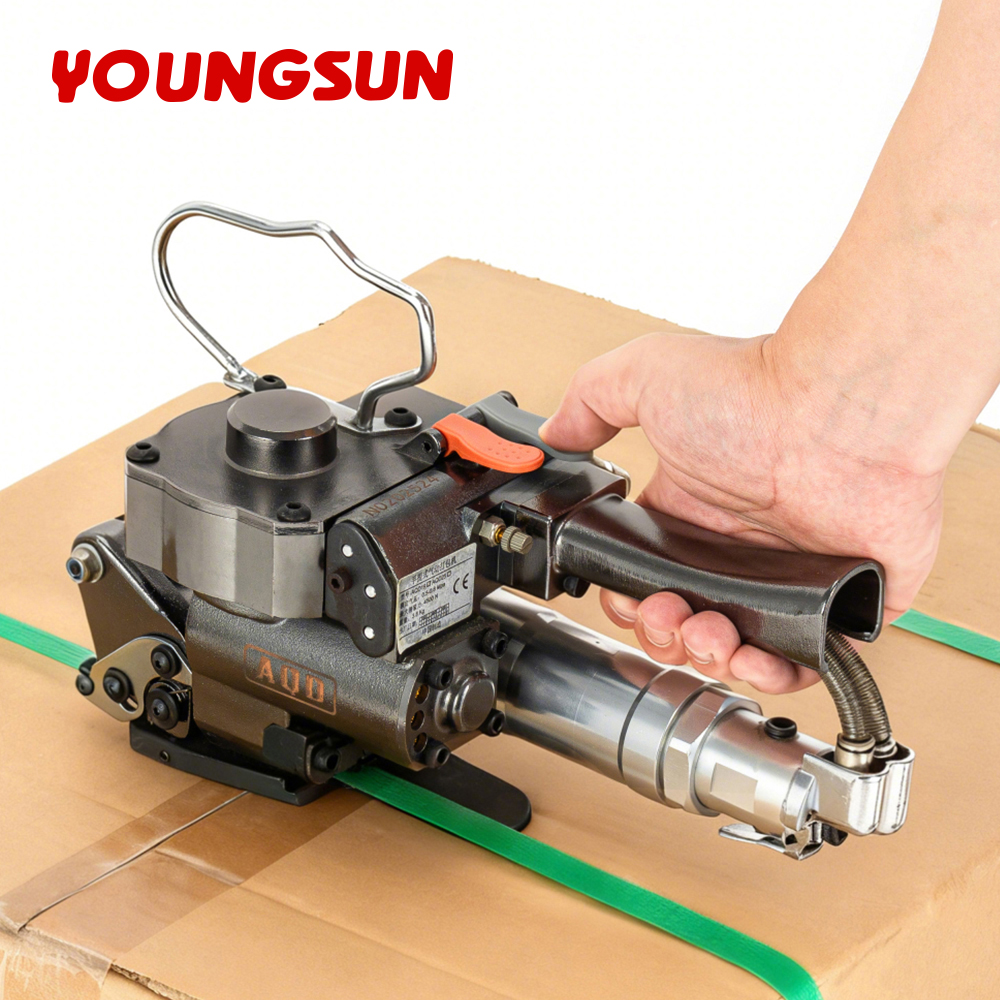
Hvordan maskiner til båndpakning af kasser forhindrer arbejdstagerskader
Reducerer muskuloskeletale belastninger gennem automatisering af manuelle båndpakningsopgaver
Når arbejdere manuelt spænder kasser hele dagen, ender de med at bukke sig fremad, dreje deres kroppe og anvende konstant kraft – alt sammen belaster muskler og led betydeligt. Ifølge forskning offentliggjort i ergonomitidsskrifter er personer, der udfører denne type arbejde i otte timer i træk hver dag, faktisk 34 procent mere udsat for alvorlige ryg- og skulderproblemer. Her kommer kassespændemaskinerne ind i billedet. Disse automatiserede systemer håndterer alt fra stramning af remme til korrekt forsegling og materialeforsyning gennem processen. Maskineriet udfører hele det tunge arbejde og kan håndtere hundredevis af spændinger pr. time, samtidig med at kvaliteten holdes konstant. Ved at fjerne disse farlige bevægelser fra ligningen sikres arbejdstagerne en større sikkerhed på arbejdspladsen.
- • Kraftfuld anstrengelse under manuel stramning
- • Uheldige stillinger, der kræves for at manøvrere kasser på plads
- • Træthed som følge af gentagne bevægelser ved vedvarende arbejde med høj cyklusfrekvens
Faciliteter, der anvender automatisk båndlægning, rapporterer en reduktion på 60 % af MSD-hændelser, hvilket gør det muligt for medarbejdere at skifte fra fysisk krævende opgaver til overvågnings- og kvalitetskontrolroller.
Vigtige sikkerhedsfunktioner: Lysgardiner, sikkerheds-PLC’er, nødstop og fysiske beskyttelsesmidler
Dagens kassebåndudstyr er udstyret med flere lag sikkerhed, der er integreret direkte i systemet, og opfylder både ANSI B11.1- og OSHA 1910.212-kravene. Disse maskiner bruger lysgardiner, der skaber usynlige barrierer omkring farlige områder som knusningspunkter og tilførselsområder. Hvis en person kommer for tæt på, standser maskinen øjeblikkeligt. Bag kulisserne overvåger sikkerhedsraterede PLC-styringer alt fra hastigheden, hvormed båndene føres igennem, til den anvendte spænding og hvad der sker med motorbelastningerne. De standser automatisk driften, når der opstår fejl, f.eks. ved blokering eller forkert tilførsel. Nødstopknapper er placeret, så operatører nemt kan nå dem ved hver arbejdsstation. Fysiske beskyttelser fremstillet af slidstærke materialer forhindrer adgang til roterende dele, opvarmningselementer og de ekstremt hurtige skæremechanismer. Kombinerer man alle disse beskyttelsesforanstaltninger med korrekte lockout/tagout-procedurer på hele faciliteten, observeres en markant reduktion af arbejdspladsulykker – cirka 78 % færre hændelser end med ældre halvautomatiske systemer. Dette tal stammer direkte fra NIOSH’s seneste Logistik Sikkerhedsbenchmarkrapport fra 2023.
Sikring af lastens integritet og sikkerhed under transport
Kassebåndmaskiner anbringer meget stramme bånd med et tryk på ca. 150–300 psi – en præstation, som ikke kan opnås ved manuel indpakning. Når pakker er båndet på denne konsekvente måde, forbliver de på plads, selv når lastbiler kører over ujævnheder, svinger skarpt eller pludselig standser på vejen. Mindre bevægelse af varer inde i containere betyder færre beskadigede varer i alt. De automatiske spændindstillinger undgår to store problemer: utilstrækkelig båndstyrke, hvilket får kasserne til at falde fra hinanden, og for stort tryk, der faktisk skader indholdet i emballagen. Dette hjælper med at opfylde de vigtige fragtstandarder som ISTA 3A og ASTM D4169 uden unødigt besvær. Lagerchefer fortæller os, at deres rapporter om beskadigelser falder med ca. 60 % efter overgangen til disse maskiner – hvilket også reducerer både papirarbejdet og ventetiden på forsikringsgodtgørelse.
Indvirkning på pakkesikkerhed, lageropbevaringsstabilitet og sikkerhed ved efterfølgende håndtering
Når laster holdes ordentligt sikret, forbliver hele strukturen intakt, selv når flere niveauer stables på paller, hvilket reducerer risikoen for de farlige reolsammenbrud, der ofte fører til alvorlige kvæstelser i distributionscentre. God kvalitet i bånd til spænding gør også en stor forskel for gaffeltruckdrift. Operatører oplever simpelthen færre tilfælde af skiftende eller glidende laster under transport, og dette formindsker ifølge oplysninger antallet af uheld med faldne laster med omkring 35 %. Ved modtagekajutter specifikt betyder udskiftning af løse, slidte eller dårligt spændte bånd faktisk en mere sikker arbejdsplads. Vi taler om en reduktion af snublefarer på ca. 40 %, hvilket betyder bedre sikkerhed under lossning og hjælper virksomhederne med at overholde OSHAs krav til sikre gangflader.
ROI for kassebåndmaskiner: Sikkerheds-, effektivitets- og overholdelsesgevinster
Målelige sikkerhedsforbedringer og reducerede OSHA-rapporterbare hændelser i logistikfaciliteter
Automatisering af pakkebånd adresserer et stort problemområde for lagermedarbejdere: muskuloskeletale lidelser (MSD’er), som udgør omkring 30 % af arbejdsrelaterede skader ifølge nyeste data fra BLS fra 2023. Manuelle opgaver såsom at løfte tunge kasser, dreje udfordrende i kroppen og gentagne gange anvende kraft elimineres, når faciliteter installerer kassebåndmaskiner. Praktiske resultater viser, at mange lagre reducerer deres ansvarsforsikringskrav relateret til MSD’er med cirka 40 % efter implementering af denne teknologi. Besparelserne går længere end blot undgang af smertepunkter for medarbejdere. Forsikringsomkostningerne falder betydeligt, og virksomheder undgår de betydelige bøder fra OSHA, som kan nå op på 15.625 USD ved alvorlige overtrædelser. Lagerchefer bemærker ofte også en anden fordel: Cirka halvdelen færre fraværsdage p.g.a. MSD-skader betyder bedre personalekontinuitet og mere konsekvent produktion. Kombiner disse sikkerhedsforbedringer med drift, der kører 25 % hurtigere og kræver mindre manuelt arbejdskraft i alt, og de fleste virksomheder oplever, at deres oprindelige investering er tilbagebetalt inden for 12–18 måneder. I stedet for at betragte sikkerhedsudstyr som en omkostning, ser kloge lageroperatører nu på det som noget, der faktisk styrker deres resultat, samtidig med at det sikrer overholdelse af reglerne.
Ofte stillede spørgsmål
Hvad er de vigtigste sikkerhedsfunktioner for kassebåndmaskiner?
Kassebåndmaskiner er udstyret med lysgitter, sikkerheds-PLC’er, nødstop og fysiske beskyttelsesanordninger, alle designet til at forhindre arbejdspladsulykker og opfylde sikkerhedsstandarder som ANSI B11.1 og OSHA 1910.212.
Hvordan påvirker kassebåndmaskiner arbejdstagerens sikkerhed?
Ved at automatisere båndprocessen eliminerer disse maskiner behovet for gentagne manuelle arbejdsopgaver og reducerer dermed risikoen for muskuloskeletale lidelser og andre skader forbundet med manuel båndning.
Hvad er afkastet (ROI) ved implementering af kassebåndmaskiner?
Afkastet (ROI) ved kassebåndmaskiner skyldes forbedret arbejdstagersikkerhed, lavere forsikringsomkostninger, overholdelse af regler og øget driftseffektivitet, og betaler typisk sig selv inden for 12 til 18 måneder.
Hvordan sikrer disse maskiner lastens integritet og forhindrer beskadigelse under transport?
Kassebåndmaskiner sikrer en konstant båndspænding, der holder lasten sikkert på plads, reducerer risikoen for beskadigelse under transport og sikrer overholdelse af fragtstandarder som ISTA 3A og ASTM D4169.