EN
EN

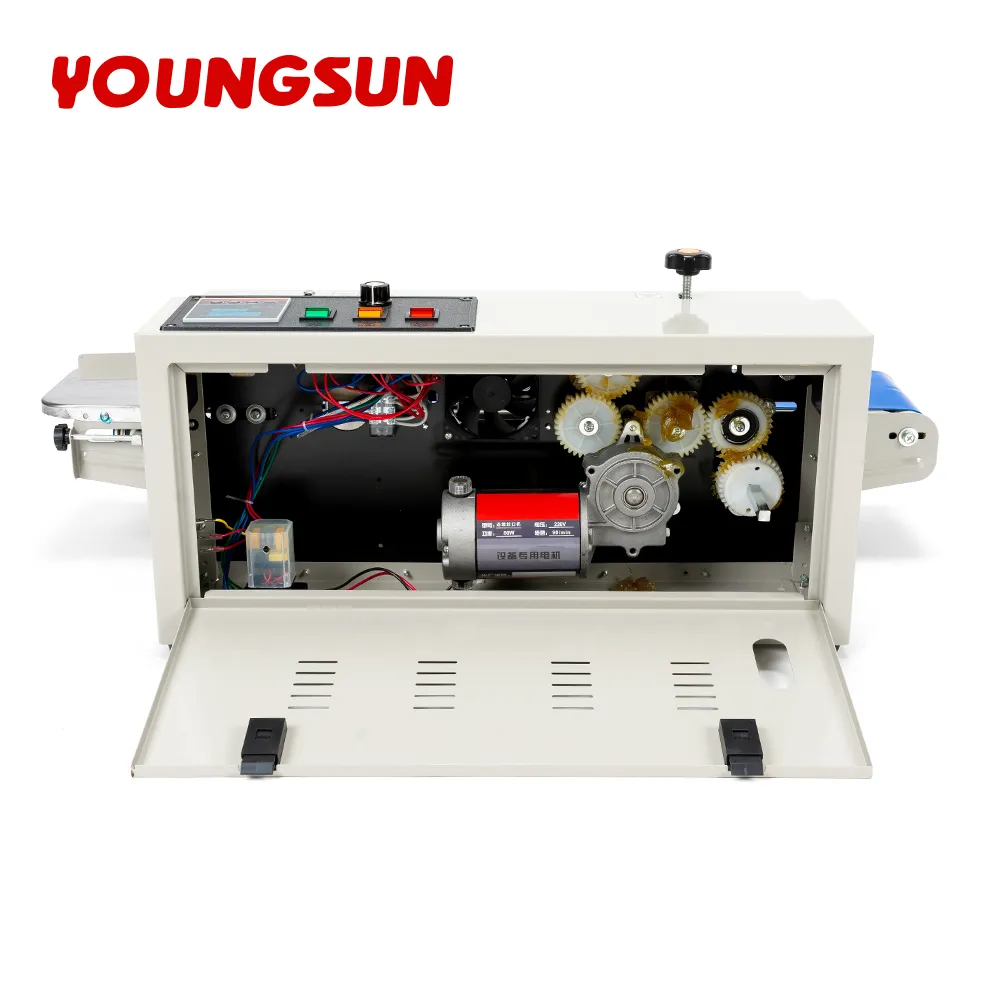
Moottorin ylikuumenemisen ymmärtäminen jatkuvissa nauhasealauslaitteissa
Moottorin ylikuumeneminen on yleinen ongelma teollisissa pakkauslinjoissa, joissa käytetään nauhasealoja , erityisesti jatkuvissa tuotantoympäristöissä, joissa koneet toimivat pitkiä aikoja. Kun ylikuumeneminen tapahtuu, se voi heikentää tiivistyksen tasaisuutta, alentaa tuotannon tehokkuutta ja lyhentää tärkeiden komponenttien, kuten moottorin, elinikää. Useimmissa sovelluksissa nauhasealoja odotetaan toimivan vakaisesti, joten lämpötilan säätö on keskeinen tekijä vakaiden suoritusten varmistamiseksi.
Nauhasealauslaitteiden moottorin ylikuumenemisen pääsyyt
Yksi ylikuumenemisen pääasiallisista syistä on jatkuva käyttö ilman riittävää jäähdytysaikaa. Pakkausteollisuudessa, kuten elintarvikkeiden, lääkkeiden ja päivittäisten kemikaalien tuotannossa, nauhasealoja toimii usein tauotta, mikä lisää luonnollisesti lämmönkuormitusta. Ajan myötä lämpö kertyy moottorin sisälle, jos sitä ei poisteta tehokkaasti.
Mekaaninen vastus on toinen keskeinen tekijä. Jos kuljetinjärjestelmä tai kuljetinkoneen sisäiset välitysosat ovat vinossa, kuluneita tai väärin säädettyjä, moottorin on työskenneltävä tavallista kovemmin. nauhasealoja tämä lisätty työkuorma johtaa suoraan korkeampaan energiankulutukseen ja lämmönmuodostukseen. Myös epäasianmukainen hihnan jännitys voi aiheuttaa moottorille tarpeetonta rasitusta.
Sähköllinen epävakaus on myös yleinen piilotettu syy. Jännitevaihtelut tai riittämätön teholähde voivat pakottaa nauhasealoja moottorin toimimaan poikkeavissa olosuhteissa. Kun moottori yrittää kompensoida epävakaita syöttöolosuhteita, se saattaa ottaa lisää virtaa, mikä lisää lämmönkertymistä ja nostaa ylikuumenemisen riskiä.
Oikean asennuksen ja ilmanvaihdon merkitys
Oikea asennus on tärkeässä osassa ylikuumenemisen estämisessä. nauhasealoja tulisi aina asentaa hyvin ilmanvaihdettuun paikkaan, jossa moottorikoteloa ympäröi riittävästi tilaa. Jos laitetta sijoitetaan liian lähelle seinää tai muuta laitteistoa, lämmön poisto rajoittuu.
Ilmanvaihto on välttämätöntä vakaiden toimintojen varmistamiseksi. Pöly, pakkausjätteet tai tukos ilmanvaihtoaukoissa voivat huomattavasti heikentää jäähdytystehokkuutta. Ilmanvaihtoaukkojen ja jäähdytysventtiilien säännöllinen puhdistus auttaa varmistamaan, että nauhasealoja ylläpitää riittävää ilmavirtaa pitkien tuotantokierrosten aikana.
Säännöllinen huolto moottorikuorman vähentämiseksi
Säännöllinen huolto on yksi tehokkaimmista tavoista estää ylikuumeneminen. Liikkuvien osien, kuten laakerien ja vaihteiston komponenttien, voitelu vähentää kitkaa ja auttaa nauhasealoja moottoria pyörimään sujuvammin ja pienemmällä vastuksella.
On myös tärkeää tarkistaa hihnan jännitystä säännöllisesti. Jos hihna on liian kireä tai liian löysä, se aiheuttaa epätasapainon järjestelmässä ja pakottaa moottorin työskentelemään vaikeammin. Tiivistävien hihnojen ja rullien puhdistaminen varmistaa vakaa liikkeen ja vähentää tarpeetonta kuormitusta nauhasealoja .
Sähköinen vakaus ja kuorman säätö
Vakaa virtalähde on välttämätön turvalliselle toiminnalle. nauhasealoja tulee kytkentää oikean nimellistehon omaavaan sähköjärjestelmään, joka suojaa jännitevaihteluilta. Jos virta ei ole vakaa, moottori saattaa kompensoida liikaa, mikä johtaa liialliseen lämmönmuodostumiseen.
Käyttäjien tulisi myös välttää koneen käyttöä sen suunnitellun kapasiteetin yläpuolella. Ylikuormittaminen nauhasealoja tai tuotantonopeuden nostaminen suositeltujen rajojen yli voi merkittävästi nostaa moottorin lämpötilaa ja vähentää laitteiston käyttöikää.
Varhaiset varoitusmerkit ylikuumenemisesta
Varhainen havaitseminen auttaa estämään vakavia vaurioita. Tyypillisiä merkkejä ovat epätavallinen moottorin melu, hidastunut tiivistysnopeus, epävakaat tiivistystulokset ja epänormaali lämpötilan nousu koneen pinnalla. nauhasealoja saattaa myös sammutua automaattisesti suojatoimintana ylikuumenemisen sattuessa.
Jos nämä oireet ilmenevät usein, se viittaa siihen, että ongelman juurisyy ei ole ratkaistu. Jatkuvan valvonnan suorittaminen käytön aikana voi auttaa tunnistamaan ongelmia ennen kuin ne pahenevat.
Luotettavan nauhasealaiteen valinta pitkäaikaiseen vakausvarmistukseen
Laitteen itse laatu vaikuttaa merkittävästi ylikuumenemisongelmien ehkäisemiseen. Hyvin suunnitellut teollisuuslaitteet, kuten Youngsun Equipmentin valmistamat, on suunniteltu paremmalla ilmanvaihtojärjestelmällä ja tehokkaammalla moottorikonfiguraatiolla.
Korkealaatuinen nauhasealoja on suunniteltu jatkuvaan käyttöön parannetulla lämmönhallinnalla ja vähentyneellä mekaanisella vastuksella. Tämä auttaa varmistamaan vakaa suorituskyky myös vaativissa tuotantoympäristöissä.
Sijoittaminen luotettavaan nauhasealoja parantaa ei ainoastaan tuottavuutta, vaan myös vähentää huoltovälejä, käyttökatkoja ja pitkän aikavälin toimintakustannuksia.
Sisällysluettelo
- Moottorin ylikuumenemisen ymmärtäminen jatkuvissa nauhasealauslaitteissa
- Nauhasealauslaitteiden moottorin ylikuumenemisen pääsyyt
- Oikean asennuksen ja ilmanvaihdon merkitys
- Säännöllinen huolto moottorikuorman vähentämiseksi
- Sähköinen vakaus ja kuorman säätö
- Varhaiset varoitusmerkit ylikuumenemisesta
- Luotettavan nauhasealaiteen valinta pitkäaikaiseen vakausvarmistukseen