EN
EN

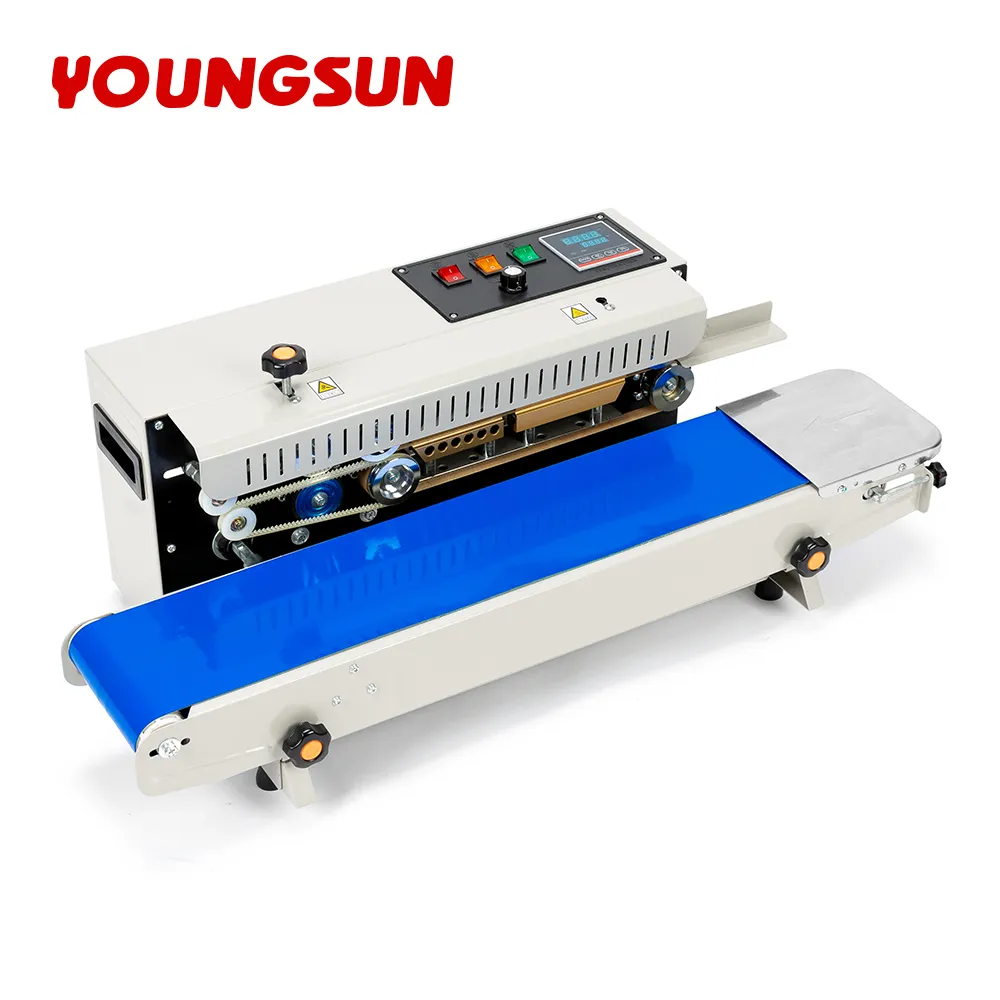
Mae cefnogion Teflon (PTFE) yn y rhagymadrodd mwyaf defnyddiol ond hanfodol ar unrhyw barhau sealwr band . Mae gwaith cynnar yn arwain at sealiau annheg, gollwng cynhyrchion, a thrwyddyn brân. Er eu bod yn cydnabod llawer o weithwyr fod newid cefnogiad yn broses rheolaidd, gall deall y rhesymau penodol am y gwaith dryblu hyd oesoedd y cefnogiad. Mae'r canllaw hwn yn egluro wyth strategaeth ymarferol, sydd yn canolbwyntio ar y peiriant, i leihau gwaith cefnogiad Teflon ar seilwr band diwylliannol arferol sealwr band .
Cydweddu'r tymheratur â'r math o ffilm – nid uwch na fydd angen
Pob sealwr band mae gyda ystod tymheratur, fel arfer 0–300°C (32–572°F), ond mae rhedeg ar y uchafswm yn lleihau hyd oesoedd y cefnogiad yn dramatig. Am ffilmiau cyffredin, gosodwch eich sealwr band i'r isafswm o fewn cynhyrchu seal sydd yn resistio peeling: ar gyfer PE (polysethilen) defnyddiwch 120–150°C (248–302°F), ar gyfer PP (polyspropilen) defnyddiwch 140–170°C (284–338°F), ac ar gyfer ffoil laminated defnyddiwch 160–200°C (320–392°F). Mae gormod o boer yn cy accelerated ymbrittlement a delamination o PTFE, ac mae gormod o 20°C yn lleihau bywiau'r rhyddiad hyd at hanner. Os eich sealwr band yn cynnwys crioerion uchaf a isaf annibynnol, cadwch y ddau o fewn ±10°C o'i gilydd i atal straen thermol annheg.
Gosod Tensiwn y Rhyddiad Gan y "Rheol 5–8mm"
Mae tensiwn anghywir yn ail achos cyntaf methiant y rhyddiad Teflon ar unrhyw sealwr band . Os yw'r rhyddiad yn rhy llysg, bydd yn llithro, gan achosi llithriadau ar ymyl a thracio anghywir; os yw'n rhy gryf, bydd yn estyn y cefndir o ffibr glas a newid siâp y rhyddiad yn barhaol. Mae'r dull cywir yn syml: pan mae'r sealwr band i'w ddiffodd a'i oeri, pwyswch eich bysedd yn gryf ar ganolbwynt y rhyddiad. Yn rhaid i chi weld symudiad o 5–8 mm cyn i'r gwrthiant gynyddu. Addasu'r mynegiad tensiwn tan i gyrraedd y symudiad hwn, ac ystyriwch hwn bob wythnos. Mae rhyddiad sydd wedi'i amharu'n iawn ar sealwr band yn rhedeg yn glir heb lido na chwyddo'r rhyddiad yn ormodol.
Trekio Clir – Atal Symudiad Anarferol ar y Rhyddiad cyn iddo ddechrau
A sealwr band sydd â thrackio annheg fydd yn dinistrio rhyddiad Teflon mewn dim ond ychydig awr o weithredu. I wirio'r trackio, troi'r peiriant ar a gadael i'r rhyddiad redeg am 30 eiliad, gan sylwi a yw'r ymyl rhyddiad yn symud mwy na 2 mm oddi ar y flang ffrwydro. Os yw, addasu'r screw trackio (sydd fel arfer wedi'i leoli ar y rolwr cefn) mewn camau o chwarter-tro tan i'r rhyddiad redeg yn sefydlog. Mae trackio clir yn atal y rhyddiad rhag taro'r fframiau metel, sydd yn ffynhonnell anweithredol o weariad abrasif. Ar unrhyw sealwr band , rhaid wirio'r trackio bob tro newid y swyddfa i ddal problemau yn gynnar.
Tynnu'r Ymylon Cwsg a'r Bwrrs ar Gydrannau'r Sêl
Pob rhan sydd yn cyffwrdd â'r rhewl yn eich sealwr band – gan gynnwys y bloc poethi, y bloc oeri, a'r rheilffyrdd arweiniol – rhaid iddynt fod yn glan i leihau tarwedd. Arolygwch y rhain bob mis: gwirio corneli'r cymal poethi am wibau o'r broses gynhyrchu neu adfeilion carbonedig, sicrhau bod cysylltiadau'r rolwr pwysau'n troi'n rhydd (bydd cyswllt sydd wedi glymu'n taro'r ochr ôl o'r rhewl), ac archwilio'r ffoliau cefnogi'r rhewl am penodau sgrifennu codi neu sglefri weldio sydd yn gweithio fel clustwr. Defnyddiwch llsin tywyll (400 grit) i leihau unrhyw leoliad anghlas nad ydych yn ei weld yn ofalus. Gall llwybr glan gynyddu bywiau'r rhewl gan 50%, gan fod hyd yn oed wib bach ar sealwr band yn gallu achosi sgrathian sydd yn tyfu i gael crac llawn.
Gwnewch y gwlân yn iawn – Alcohol Isoproplig yn unig
Mae brwdfrydiau a pholymer sydd wedi talu'n weithio fel sylweddau sydd yn tarwedu wear o'r rhewl Teflon, felly ydych yn anogaethu i glanhau'r rhewl pob 8 awr o weithio. I glanhau'n iawn, troddwch y rhewl i ffwrdd yn gyntaf a chadwch yn oer y sealwr band i iselach na 50°C (122°F). Yna, gwnewch gwisg o danfon nad yw'n gadael llwch yn wyneb y cainnel â chlorydd isopropl (IPA) – peidiwch erioed â defnyddio acetone, MEK, na chlefydd sydd â charwysiad oren, gan eu bod yn ymosod ar y PTFE yn ghemegol. Gwifio'r arwyneb cainnel yn ofalus, gan droi'r cainnel â llaw i ddangos pob adran. Yn olaf, gadewch i'r sealwr band rhedeg yn sychu am 30 eiliad cyn dechrau cynhyrchu eto. Mae'r arfer syml hwn yn tynnu'r gwaith yn ôl heb dirwyn y llyfrgell PTFE, ac mae cainnel glan hefyd yn sicrhau ansawdd seal gwell a hygïaeth. sealwr band cainnel hefyd yn sicrhau ansawdd seal gwell a hygïaeth.
Peidiwch â Chwarae'n Wastad â'r Gwres Ar – Mae'r Siambr Thermol yn Real
Gadael un sealwr band yn ystod tymheredd gweithredu heb redeg y ffilm yn achosi gorberoedd lleol ar yr adran sefyll y cainnel sydd yn union dan y gwrthrych, gan greu "manylion poeth" sydd yn harddau'r PTFE ac yn achosi craciau o fewn 10–15 munud. Ymarfer orau yw syml: os yw'ch sealwr band bydd yn sefyll yn y lle yn hirach na 2 munud, naill ai lleihau'r tymheratur i 80°C (176°F) na'i droi i ffwrdd yn llwyr, gan adfer y tymheratur osod just cyn rhoi'r pocsiau i mewn. Mae'r tarwedd thermol o berthnasu a chwyddo sydyn hefyd yn henhau'r rhydd yn gynnar. Gellir cadw'r un rhydd am fisioedd gan weithredwr da sealwr band gan osgoi poeni am gynhesu sefyll yn y lle angenrheidiol.
Dewiswch Grosed y Rhydd Cywir ar gyfer Eich Cylch Gweithredu
Nid oes pob rhydd Teflon yn addas ar gyfer pob sealwr band ceisiadau, felly rhaid i chi cydweddu grosed y rhydd â'ch cyfrol cynhyrchu dyddiol. Ar gyfer gwaith ysgafn (llai na 2 awr yr awr), mae rhydd o grosed 0.3 mm yn economaidd ond bydd yn para'n byr. Ar gyfer gwaith canolig (2–6 awr yr awr), mae rhydd o grosed 0.5 mm yn cynnig y cydbwysedd gorau ar gyfer y rhan fwyaf o ddefnyddwyr. Ar gyfer gwaith trwm (mwy na 6 awr yr awr), dewiswch rhydd o grosed 0.7 mm neu rhydd â therbyn cryfiedig (fel rhai â llinio Kevlar). Gwnewch bob amser wirio eich sealwr band llyfr cyfarwyddiadau am y grosed uchaf a ganiateir, sydd fel arfer yn 0.8 mm. Mae rhydd tywier ar gyfer gwaith uchel sealwr band yn para tri gwaith yn hwy na chynffon rhagfelen, felly mae buddsoddi mewn cynffon uchelgais yn lleihau cyfanswm cost y perchnogaeth.
Newidwch yn weithgar – Peidiwch â chymryd am grynion a welir
Mae'r rhan fwyaf o weithredwyr yn newid y cynffon Teflon dim ond ar ôl methiant, ond mae cynllun newid weithgar yn arbed amser ac yn atal tawelwch annisgwyl. Arolygwch eich sealwr band cynffon bob wythnos, gan chwilio am grynion micro sydd yn hwy na 3 mm, colli'r eiddo nad yw'n adlewyrchu, neu frwyniad ar ymyl. Ar gyfer defnydd canolig, newidwch y cynffon pob 300–500 awr o weithio; ar gyfer defnydd trwm, newidwch bob 200 awr. Cadwch un cynffon ychwanegol ar gyfer pob peiriannell bob amser. Pan fyddwch yn gosod cynffon newydd, rhedwch y sealwr band am 10 munud yn 80°C i ganiatáu i'r PTFE "chwyrnu" cyn cynhyrchu ar wres llawn. Gyda chynffon ychwanegol ar law, ni fydd eich sealwr band yn seibio am fwy na 10 munud ar gyfer newid y cynffon.
Rhestr gwirio cryno i weithredwyr
Hyfforddwch bob sealwr band gweithredwr i ddilyn y gorchymyn pob dydd o 60 eiliad: cyn dechrau, gwirio tensiwn y rhynglen (defleithiad o 5–8 mm) a’i leoliad (canolbwyntedig); yn ystod y rhedeg, gwrando am sgrechian a wedi stopio, teimlo’r rhynglen am boethi annheg sy’n awgrymu problemau; wrth gau’r peiriannau, lleihau’r tymheredd i 80°C cyn troi’r peiriannau i ffwrdd. Mae dilyn y wyth strategaeth hon yn ymarferol yn estyn oes y rhynglen Teflon o wythnosau i fisoedd ar beiriannau llawn gwaith sealwr band .
Ystadegau
- Cydweddu'r tymheratur â'r math o ffilm – nid uwch na fydd angen
- Gosod Tensiwn y Rhyddiad Gan y "Rheol 5–8mm"
- Trekio Clir – Atal Symudiad Anarferol ar y Rhyddiad cyn iddo ddechrau
- Tynnu'r Ymylon Cwsg a'r Bwrrs ar Gydrannau'r Sêl
- Gwnewch y gwlân yn iawn – Alcohol Isoproplig yn unig
- Peidiwch â Chwarae'n Wastad â'r Gwres Ar – Mae'r Siambr Thermol yn Real
- Dewiswch Grosed y Rhydd Cywir ar gyfer Eich Cylch Gweithredu
- Newidwch yn weithgar – Peidiwch â chymryd am grynion a welir
- Rhestr gwirio cryno i weithredwyr