EN
EN

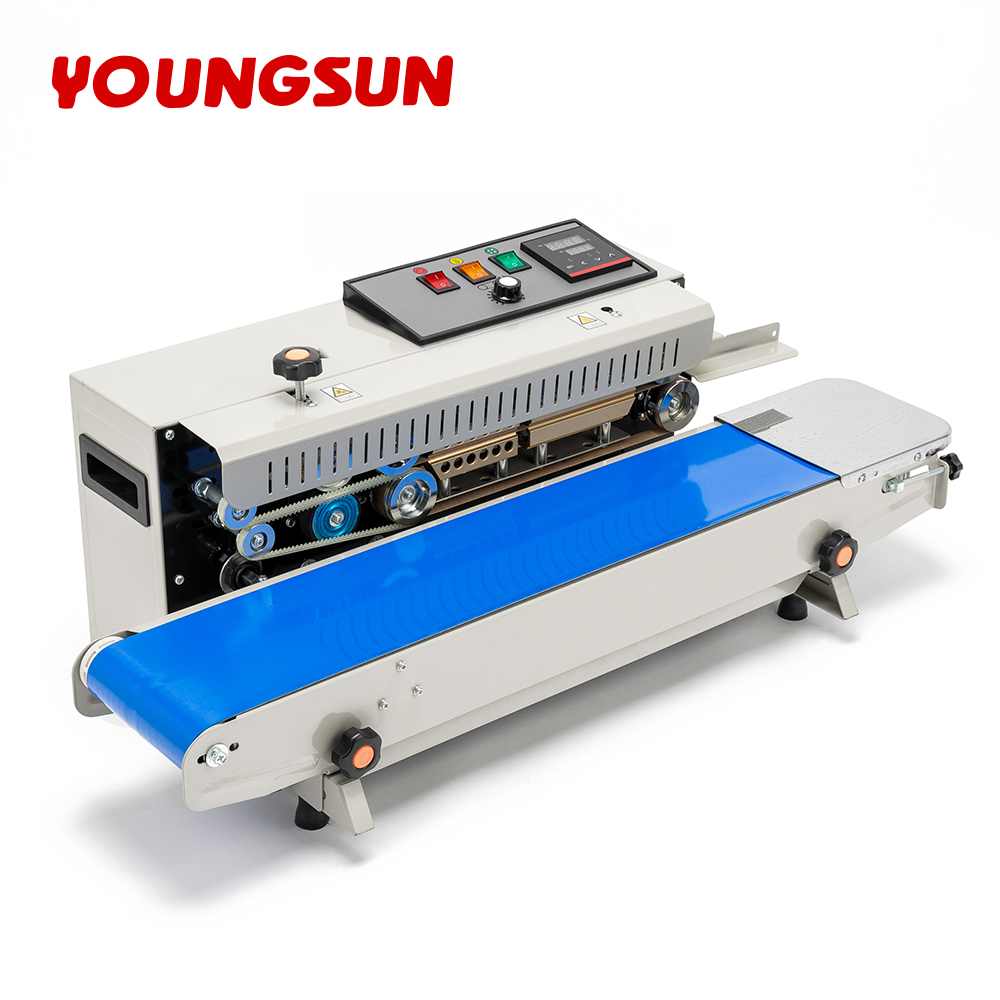
পণ্য প্যাকেজিংয়ের বিশ্বে, ব্যাগ সীলার কেবল একটি যন্ত্রপাতি নয়; এটি আপনার পণ্যের অখণ্ডতা এবং আপনার ব্র্যান্ডের সুনামের চূড়ান্ত রক্ষাকারী। আপনি যদি গোরমে কফির তাজগী সংরক্ষণ করছেন বা চিকিৎসা উপাদানগুলির জীবাণুমুক্তি নিশ্চিত করছেন, তবে একটি নিখুঁত সীল অবশ্যই অপরিহার্য। আমার ইয়ংসান-এ ক্লায়েন্টদের সমর্থনের বছরগুলিতে আমি লক্ষ্য করেছি যে, সবচেয়ে সফল ব্যবসাগুলি হল সেগুলি যারা তাদের সীলিং যন্ত্রপাতিকে তাদের গোপন রেসিপি বা মূল প্রযুক্তির মতোই যত্ন দেয়। পোড়া প্লাস্টিকের একটি ক্ষুদ্র অংশ বা সামান্য ক্ষয়প্রাপ্ত হিটিং এলিমেন্ট পর্যন্ত সীল ক্ষতিগ্রস্ত করতে পারে, যার ফলে জারণ, লিকেজ এবং ব্যয়বহুল গ্রাহক ফেরত হতে পারে। আপনার মেশিন রক্ষণাবেক্ষণ করা কেবল একটি দায়িত্ব নয়—এটি হল আপনার সুবিধা থেকে প্রতিটি প্যাকেজে উৎকৃষ্টতা ডেলিভার করার প্রতি প্রতিশ্রুতি।
নিরাপত্তা প্রথম: আপনার ব্যাগ সীলারকে সার্ভিসের জন্য প্রস্তুত করা
আপনার ব্যাগ সিলারের উপর যেকোনো রক্ষণাবেক্ষণ শুরু করার আগে, নিরাপত্তা আপনার চূড়ান্ত অগ্রাধিকার হওয়া উচিত। এই মেশিনগুলি উচ্চ-ওয়াটেজ হিটিং এলিমেন্ট ব্যবহার করে যা বন্ধ করার পরেও বিপজ্জনক স্তরের তাপ ধরে রাখতে পারে। একটি মানসম্মত নিরাপত্তা প্রোটোকল হিসেবে, দুর্ঘটনাজনিত সক্রিয়করণ প্রতিরোধের জন্য সর্বদা বিদ্যুৎ সংযোগ বিচ্ছিন্ন করুন। আমি কমপক্ষে ২০ থেকে ৩০ মিনিটের জন্য ঠান্ডা হওয়ার সময় দেওয়ার পরামর্শ দিচ্ছি। এই সময়ে, আপনার প্রয়োজনীয় পরিষ্কার কিট সংগ্রহ করুন: একটি নরম মাইক্রোফাইবার কাপড়, উচ্চ-বিশুদ্ধতার আইসোপ্রোপাইল অ্যালকোহলের একটি বোতল এবং একটি নরম-ব্রিস্টেল নাইলন ব্রাশ। কখনওই সিলিং বারগুলি কাঁচা করার জন্য স্ক্রুড্রাইভার বা তারের ব্রাশের মতো ধাতব সরঞ্জাম ব্যবহার করবেন না; এটি সিলিংয়ের মসৃণ ও পেশাদার ফলাফল নিশ্চিত করে এমন সূক্ষ্ম পৃষ্ঠগুলিকে স্থায়ীভাবে ক্ষতিগ্রস্ত করবে।
দীর্ঘস্থায়িত্বের গোপন রহস্য: সিলিং বার এবং টেফলন অংশগুলি পরিষ্কার করা
যেকোনো ব্যাগ সিলারের সবচেয়ে গুরুত্বপূর্ণ উপাদান হলো তাপীয় অঞ্চল, যা সাধারণত টেফলন (PTFE) টেপের একটি স্তর দ্বারা রক্ষিত থাকে। এই টেপটি গলিত প্লাস্টিকের ব্যাগকে ধাতব হিটারের সঙ্গে আটকে যাওয়া থেকে রক্ষা করে। সময়ের সাথে সাথে প্লাস্টিকের সূক্ষ্ম স্তরগুলো জমা হয়ে একটি "কার্বনাইজড" আবরণ তৈরি করে। এই আবরণটি একটি তাপ-বাধা হিসেবে কাজ করে, ফলে আপনাকে তাপমাত্রা বাড়িয়ে দিতে হয় এবং শেষ পর্যন্ত হিটিং এলিমেন্টটি পোড়া যায়। এটি রোধ করতে, প্রতিদিন অ্যালকোহল দিয়ে টেফলন পৃষ্ঠটি মুছে ফেলুন। যদি আপনি টেপের ছিঁড়ে যাওয়ার লক্ষণ বা গাঢ় বাদামি দাগ দেখেন, তবে এটি প্রতিস্থাপন করার সময় এসে গেছে। ইয়ংসান-এ, আমরা সর্বদা আমাদের অংশীদারদের বলি: "৫ ডলার মূল্যের একটি টেপ একটি ৫,০০০ ডলার মূল্যের উৎপাদন চক্রকে বাঁচিয়ে রাখতে পারে।" এই অঞ্চলটিকে নিখুঁতভাবে পরিষ্কার রাখলে তাপ সমানভাবে ও ধারাবাহিকভাবে স্থানান্তরিত হয়।
যান্ত্রিক সামঞ্জস্য: লুব্রিকেশন এবং বেল্ট টেনশন
যারা চলমান বা স্বয়ংক্রিয় ব্যাগ সিলার ব্যবহার করেন, তাদের জন্য অভ্যন্তরীণ যান্ত্রিক অংশ—গিয়ার, চেইন এবং ড্রাইভ বেল্ট—সুসঙ্গত কার্যকারিতা বজায় রাখতে নিয়মিত মনোযোগ প্রয়োজন। ঘর্ষণ হল একটি নীরব হত্যাকারী যা মোটরের প্রাথমিক বিফলতা এবং অসঙ্গত সিলিং গতির দিকে নিয়ে যায়। প্রতি সপ্তাহে, ড্রাইভ বেল্টগুলির ভিজুয়াল পরীক্ষা করুন, যাতে ফাটল বা স্থিতিস্থাপকতা হ্রাসের কোনও লক্ষণ না থাকে। চেইন এবং বেয়ারিং-এ খাদ্য-মানের সিনথেটিক লুব্রিক্যান্টের একটি ছোট পরিমাণ প্রয়োগ করুন। সিলিং এলাকা এবং কনভেয়ার বেল্টের পৃষ্ঠের কাছে লুব্রিক্যান্ট না পৌঁছানোর ব্যাপারে অত্যন্ত সতর্ক থাকুন। আমার অভিজ্ঞতায়, সিলিং পথে তেলের একটি ক্ষুদ্রতম ফোঁটাও প্লাস্টিকের সঠিকভাবে বন্ধন প্রতিরোধ করতে পারে, যার ফলে "লিকার" তৈরি হয় যা পণ্যটি ইতিমধ্যে শেলফে উঠানোর পরেও সনাক্ত করা কঠিন হয়ে পড়ে।
বায়ুপ্রবাহ এবং শীতলীকরণের মাধ্যমে কার্যকারিতা অপ্টিমাইজ করা
একটি পারফেক্ট সিলের পদার্থবিজ্ঞানে দুটি পর্যায় জড়িত: "গলন" এবং "সেট"। যখন তাপ বন্ধন সৃষ্টি করে, ঠান্ডা করার ব্যবস্থা তা স্থায়ী ও শক্তিশালী ওয়েল্ডে রূপান্তরিত করে। ইয়ংসান কোম্পানির অধিকাংশ পেশাদার ব্যাগ সিলার মডেলে একীভূত ঠান্ডা করার ফ্যান বা হিট সিঙ্ক রয়েছে। এখানে ধূলিকণা হল প্রধান শত্রু; এটি ভেন্টগুলি বন্ধ করে দেয় এবং ফ্যান ব্লেডগুলিকে আচ্ছাদিত করে, ফলে মেশিনটি অত্যধিক গরম হয়ে ওঠে এবং সিলগুলি নরম বা বিকৃত থেকে যায়। কমপক্ষে মাসে একবার কমপ্রেসড এয়ারের ক্যানিস্টার ব্যবহার করে ঠান্ডা করার ভেন্টগুলি থেকে ধূলিকণা উড়িয়ে দিন। উপযুক্ত বায়ুপ্রবাহ শুধুমাত্র একটি স্পষ্ট ও পেশাদার দেখতে সিল নিশ্চিত করেই নয়, বরং সংবেদনশীল অভ্যন্তরীণ ইলেকট্রনিক্সকে তাপীয় চাপ থেকে রক্ষা করে, যা আপনার বিনিয়োগের মোট আয়ুকে উল্লেখযোগ্যভাবে বৃদ্ধি করে।
ক্যালিব্রেশন এবং বৈদ্যুতিক অখণ্ডতা পরীক্ষা
একটি ব্যাগ সিলার হলো একটি নির্ভুলতা-ভিত্তিক যন্ত্র, যা সঠিক তাপমাত্রা এবং চাপ সেটিংসের উপর নির্ভরশীল। ভারী ব্যবহারের মাধ্যমে মাসের পর মাস কম্পনের ফলে বৈদ্যুতিক সংযোগগুলি ঢিলা হয়ে যেতে পারে অথবা সেন্সরগুলি ক্যালিব্রেশন থেকে বিচ্যুত হয়ে যেতে পারে। আমি প্রতি মাসে একটি "ক্যালিব্রেশন চেক" করার পরামর্শ দিচ্ছি, যেখানে আপনি ডিজিটাল কন্ট্রোলারে প্রদর্শিত তাপমাত্রা এবং সিলিং বারে প্রকৃত তাপের মধ্যে মিল আছে কিনা তা যাচাই করবেন। এছাড়াও, চাপ রোলারগুলি পরীক্ষা করুন; যদি সেগুলি অসমভাবে সামঞ্জস্যিত হয়, তবে আপনার ব্যাগের একপাশ সম্পূর্ণ সিল হবে এবং অন্য পাশটি ঢিলা থেকে যাবে। এখানে ডকুমেন্টেশন আপনার সবচেয়ে ভালো বন্ধু—বিভিন্ন ব্যাগের পুরুত্ব (যেমন: PE বনাম মাইলার) অনুযায়ী আপনার আদর্শ সেটিংসের একটি সরল লগ রাখা নিশ্চিত করে যে কোনও অপারেটরই বৃথা পরীক্ষা-ভিত্তিক চেষ্টা ছাড়াই পেশাদার ফলাফল অর্জন করতে পারবেন।
একটি প্রতিরোধমূলক রক্ষণাবেক্ষণ সংস্কৃতি প্রতিষ্ঠা করা
সবচেয়ে দক্ষ প্যাকেজিং অপারেশনগুলি কোনো ব্যাহত হওয়ার অপেক্ষা করে না; এগুলি সক্রিয় যত্নের সংস্কৃতি গড়ে তোলে। একটি গঠিত দৈনিক ও মাসিক রুটিন অনুসরণ করে আপনি অপ্রত্যাশিত ডাউনটাইম ৪০% পর্যন্ত কমাতে পারেন। শুরু করুন সহজ ‘শিফট শেষে’ পরিষ্কার করে নেওয়া থেকে এবং মাসিক ভিত্তিতে গভীর যান্ত্রিক পরীক্ষা-নিরীক্ষায় এগিয়ে যান। মনে রাখবেন, আপনার ব্যাগ সিলার হল উৎপাদনে আপনার কঠোর পরিশ্রম এবং গ্রাহকের সন্তুষ্টির মধ্যে সেতু। এটিকে একটি অত্যাবশ্যকীয় সম্পদ হিসেবে বিবেচনা করুন, তাহলে এটি বছরের পর বছর ধরে নির্ভরযোগ্য সেবা প্রদান করবে। ইয়ংসান-এ, আমরা সর্বদা আপনার সিলিং প্রক্রিয়াকে চূড়ান্ত কার্যকারিতায় চালিয়ে রাখতে প্রয়োজনীয় কারিগরি সহায়তা এবং উচ্চমানের উপাদান প্রদান করতে প্রস্তুত, যাতে আপনার পণ্যগুলি সর্বদা সুরক্ষিত থাকে।
বিষয়সূচি
- নিরাপত্তা প্রথম: আপনার ব্যাগ সীলারকে সার্ভিসের জন্য প্রস্তুত করা
- দীর্ঘস্থায়িত্বের গোপন রহস্য: সিলিং বার এবং টেফলন অংশগুলি পরিষ্কার করা
- যান্ত্রিক সামঞ্জস্য: লুব্রিকেশন এবং বেল্ট টেনশন
- বায়ুপ্রবাহ এবং শীতলীকরণের মাধ্যমে কার্যকারিতা অপ্টিমাইজ করা
- ক্যালিব্রেশন এবং বৈদ্যুতিক অখণ্ডতা পরীক্ষা
- একটি প্রতিরোধমূলক রক্ষণাবেক্ষণ সংস্কৃতি প্রতিষ্ঠা করা