EN
EN

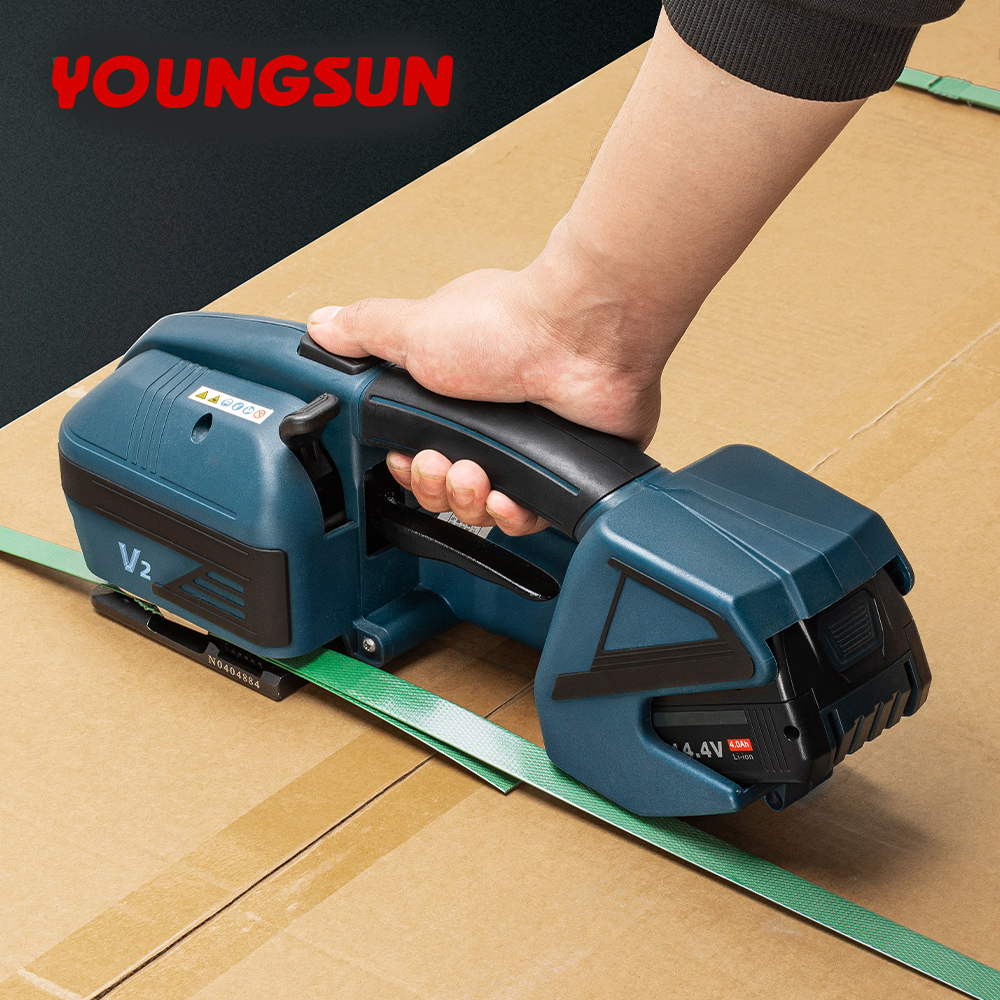
فهم درجة تعقيد إصلاح آلة الربط الكهربائية
لماذا عبارة «سهل الإصلاح» مضلِّلة: التحدي المتمثل في دمج الأنظمة الكهروميكانيكية
تجمع آلات الربط الكهربائية بين التحكم الكهربائي والأجزاء الميكانيكية القوية، ما يُنشئ علاقات معقدة تجعل إصلاحها مختلفًا تمامًا عن إصلاح المعدات الميكانيكية العادية. وعندما يحدث خللٌ ما—مثل انقطاع حزام الشد مثلاً—فإنه نادرًا ما يكون مشكلة واحدة فقط. فغالبًا ما يحدث هذا بسبب خلل في أجهزة الاستشعار القريبة، أو بسبب وجود أعطال في مصادر الطاقة المستمرة (DC) التي نراها في نحو ثلاث من أصل عشرة مصانع تعاني من مشاكل في الجهد الكهربائي. وأحيانًا تتورط البرمجيات الثابتة (Firmware) نفسها عبر أنظمة قفل السلامة. وتأتي هذه الآلات مع إعدادات معايرة خاصة تكون مقفلة بإحكام، ولا يمكن الوصول إليها إلا باستخدام أدوات معتمدة من قِبل الشركة المصنِّعة. علاوةً على ذلك، فإن دوائر السلامة المدمجة داخل الجهاز تمنع الأشخاص من محاولة تجاوز هذه الضوابط. فما المقصود بهذا كله؟ حسنًا، فإن الفنيين غير المعتمدين من قِبل المصنع يقضون عادةً نحو أربع ساعات في كل عملية إصلاح. وبالمصادفة، فإن الخطأ في التشخيص يكلِّف الشركات حوالي ٧٤٠٠٠٠ دولار أمريكي سنويًّا بسبب فقدان وقت الإنتاج، وفق دراسة أجرتها مؤسسة بونيمون عام ٢٠٢٣.
التوقعات مقابل الواقع في مشاريع التصليح الذاتي: أقفال البرامج الثابتة، والأجزاء الخاصة، وحواجز الخدمة من الشركة المصنعة الأصلية
الفكرة القديمة القائلة بإمكانية استبدال الأجزاء ببساطة لم تعد فعّالةً حقًّا عند التعامل مع معدات الربط الكهربائية الحديثة. فمعظم الأنظمة اليوم تأتي مزودةً ببرامج ثابتة مشفرة، وإذا حاول شخصٌ ما التلاعب بها، فمن المرجح أن يُبطِل ضمان المنتج. خذ على سبيل المثال المكونات الحيوية مثل صمامات التحكم الكهرومغناطيسي عالية الدورة ومحركات التشغيل المغلَّفة؛ فليس هناك بديلٌ جيِّد من طرف ثالث متاح في السوق لهذه المكونات. أما محاولة تشخيص الأعطال على مستوى اللوحة الإلكترونية دون توافر المخططات التفصيلية الصادرة عن الشركة المصنِّعة فهي بالفعل دعوةٌ للمشاكل. وقد أظهر تقريرٌ حديثٌ صادرٌ عن معهد مناولة المواد (Material Handling Institute) عام ٢٠٢٤ أن نحو ثلثي الأشخاص الذين حاولوا إصلاح الأعطال بأنفسهم انتهى بهم الأمر إلى إحداث مشاكل جديدة خلال ستة أشهر. وعندما يتعلق الأمر بإعادة تعيين رموز الخطأ الخاصة بأنظمة التبديل الآلي (ATS) أو معايرة أجهزة الاستشعار الضوئية (Photoelectric Sensors) بشكلٍ صحيح، فإن البرامج المعتمدة والأدوات التشخيصية الخاصة بالشركة المصنِّعة الأصلية تُعدُّ شرطًا لا غنى عنه. أما بالنسبة للمشاكل الكهربائية الجسيمة، فإن الاستعانة بفنيين محترفين ليست مجرد توصيةٍ، بل هي ضرورةٌ قصوى.
أكثر الأعطال الكهربائية شيوعًا في آلات الربط الكهربائية
أعطال توصيل الطاقة: انفجار الفيوزات، وعدم استقرار مصادر التغذية المستمرة (DC)، وخلل في دوائر المؤقت
يُعزى حوالي ٤٠٪ من جميع حالات فشل المعدات في الواقع إلى مشاكل تتعلق بأنظمة توصيل الطاقة. وتحدث معظم حالات انفجار الفيوزات عندما تظهر قفزات مفاجئة في الجهد بالقرب من فترات الذروة في الأحمال. وعندما تصبح طاقة التيار المستمر (DC) غير مستقرة، فإن السبب عادةً هو انتهاء عمر المكثفات الإلكتروليتية القديمة أو ربما بدء احتكاك حزمة الأسلاك في مكانٍ ما. ويؤدي هذا النوع من عدم الاستقرار إلى مجموعة متنوعة من المشكلات، بدءًا من عدم انتظام شد المواد ووصولًا إلى تآكل المحركات بوتيرة أسرع بكثير مما ينبغي. كما تميل دوائر المؤقتات إلى الفشل أيضًا، مما يُربك التسلسل الكامل لعمليات إدخال المواد وضبط الشد وإنشاء الختم وعمليات القطع. ولا ننسَ كذلك تراكم الغبار على لوحات الدوائر المطبوعة؛ إذ يسبب الغبار إجهادًا حراريًّا إضافيًّا ويُدخل أنواعًا شتى من الضوضاء الكهربائية غير المرغوب فيها إلى النظام. ويمكن للفحوصات الدورية باستخدام متعدد قياس جيد عند النقاط الحرجة مثل محركات المحركات ومداخل أجهزة الاستشعار أن تكشف عن العلامات المبكرة لأي خلل قبل أن تنفصل المعدات تمامًا. كما يساعد استخدام التصوير الحراري أثناء تشغيل المعدات الفنيين على تحديد النقاط الساخنة التي تشير عادةً إلى انخفاض كفاءة منظمات الجهد أو بداية ضعف الوصلات اللحامية.
أعطال في المحركات والاستشعار: تدهور الملف اللولبي وانحراف مستشعر الضوئي
تبدأ معظم ملفات المغناطيس الكهربائي في إظهار علامات التآكل حول العلامة ٥٠٠ ألف دورة بسبب كل تلك الهستيريزيس الكهرومغناطيسي بالإضافة إلى التغيرات الحرارية المستمرة ذهابًا وإيابًا. وعند حدوث ذلك، تنخفض قوة التثبيت وتظهر تأخيرات ملحوظة في سرعة الاستجابة. ويتفاقم هذا المشكل عندما يتآكل المكبس أيضًا. فهذه الأجزاء المتآكلة تُحدث خللاً كبيرًا في دقة التوقيت، لا سيما أثناء دورات الإنتاج المكثفة التي تعمل فيها الآلات بأقصى طاقتها. كما أن أجهزة الاستشعار الضوئية ليست محصنة ضد هذه المشكلات أيضًا. فالاهتزاز الناتج عن الآلات المجاورة، أو التغيرات في درجة الحرارة على مدار اليوم، أو حتى تراكم الغبار العادي على عدسات هذه الأجهزة يؤدي إلى انحراف شعاع الاستشعار. ولقد رأينا كيف أن هذا الانحراف يسبب قراءات خاطئة، حيث يفترض النظام عدم وجود حزام رغم وجوده فعليًّا. وتقريبًا في نصف الحالات، تعود مشكلات التغذية هذه إلى أخطاء في محاذاة أجهزة الاستشعار. ولا تنسَ كذلك عدسات الغبار تلك، فهي قد تقلل من دقة الكشف بنسبة تتراوح بين ٦٠٪ و٧٠٪. وللحفاظ على سير العمليات بسلاسة، ينبغي جدولة عمليات المعايرة بشكل دوري كل ٢٥٠ ساعة تشغيل تقريبًا. وعند استبدال ملفات المغناطيس الكهربائي، تأكَّد من أن المواصفات الجديدة مطابقة تمامًا للمواصفات الأصلية من حيث تصنيف الجهد، واستهلاك التيار، ومعايير دورة التشغيل. أما بالنسبة لأجهزة الاستشعار البصرية، فإن عمليات التنظيف الأسبوعية باستخدام هواء مضغوط نظيف (خالٍ تمامًا من أي بقايا زيتية) تُحدث فرقًا كبيرًا في الحفاظ على موثوقية التشغيل على المدى الطويل.
النقاط الميكانيكية الحرجة التي تتعرض للتآكل وتحتاج إلى صيانة دورية
شفرات القاطع، وأسطوانات التغذية، وأحزمة التوتر – المكونات الرئيسية التي تتطلب الاستبدال
معظم آلات الربط الكهربائية تحتوي على ثلاثة أجزاء رئيسية تتعرض للاهتراء مع مرور الوقت، وهي: شفرات القاطع، وبكرات التغذية، وأحزمة الشد. وعادةً ما تحتاج شفرات القاطع إلى الاستبدال بعد إجراء ما بين ٨٬٠٠٠ و١٢٬٠٠٠ عملية. ويُعزى السبب في ذلك إلى التلامس المستمر مع أحزمة البوليستر أو البولي بروبيلين، مما يؤدي إلى تآكل الحافة القطاعة. أما الآلات التي لا تُ sharpen أو تُستبدل شفراتها وفق الجدول الموصى به، فإنها تشهد ارتفاعًا في حالات الانقطاع غير المقصود (misfires) بنسبة تصل إلى ٤٠٪ تقريبًا. وتتدهور بكرات التغذية عادةً بأسرع ما يكون عند التعامل مع المواد المدعَّمة أو ذات الملمس الخشن. ومع تآكل الأخاديد الموجودة في هذه البكرات، تزداد انزلاقات الجهاز، ما يؤدي إلى مستويات غير متسقة من الشد، تقل كفاءتها بنسبة تصل إلى ٣٠٪ عن المستوى الأمثل. أما مشكلة حزام الشد فهي أن هذا الحزام يتمدد تدريجيًّا بعد حوالي ١٥٬٠٠٠ دورة، وبالتالي يفقد قدرته على الإحكام بالحمولة بنفس الكفاءة السابقة. وعند حدوث ذلك، قد تنزلق العبوات أو حتى تتفكك تمامًا أثناء النقل، ما يخلق مخاطر أمنية وهدرًا في المواد.
الصيانة الاستباقية تحقق عائد استثمار قابل للقياس:
- فحص حدة الشفرات كل ٢٥٠٠ دورة يقلل من إجهاد المحرك ويمنع التآكل المبكر في نظام الدفع
- فحص أخاديد الأسطوانة أسبوعيًّا يسمح بالكشف المبكر عن أنماط التآكل غير المنتظمة
- معايرة شد الحزام شهريًّا يضمن انتقال الاحتكاك الأمثل وسلامة الختم بشكلٍ ثابت
إن الاستبدال المنتظم لهذه الأجزاء وفق الجدول الزمني المحدد يمكن أن يمنع حوالي 72% من جميع الأعطال الميكانيكية، وفقًا لمجلة التغليف الصناعي الصادرة العام الماضي. وتؤدي قطع الغيار الأصلية المصنَّعة من قِبل الشركة المُصنِّعة للمعدات (OEM) وظيفتها بشكل مثالي فور خروجها من العلبة بالفعل، لكن توجد أيضًا خيارات بديلة عالية الجودة من جهات خارجية. وبالفعل، تدوم هذه البدائل التي تتوافق مع معايير ISO 9001 مدةً مماثلةً تمامًا خلال دوراتها التشغيلية، مع انخفاض التكلفة الإجمالية بنسبة تقارب 35%. فقط تأكَّد من مطابقتها لمتطلبات الجهاز من حيث عزم الدوران (Torque) ومقدار الحرارة الناتجة أثناء التشغيل. أما بالنسبة للتفاصيل الدقيقة، فلا أحد يعلم أكثر من الرجوع إلى دليل الخدمة الخاص بكل طراز على حدة، إذ تتفاوت حدود التآكل والإعدادات الصحيحة لعزم الدوران باختلاف المعدات المستخدمة تحديدًا.
متى يتم إجراء استكشاف الأخطاء وإصلاحها داخليًّا، ومتى يجب الاتصال بتقني متخصص؟
إصلاحات على مستوى المستخدم: إزالة الانسدادات، وإعادة تعيين رموز الخطأ، والتحقق من محاذاة مسار التغليف بالشرائط
يجد معظم المشغلين أنهم قادرون على التعامل مع عددٍ كبيرٍ من المشكلات الروتينية بأنفسهم دون الحاجة إلى الاتصال بدعم فني. وعند انسداد المواد، فإن الإجراء القياسي يتضمن عادةً قطع التيار الكهربائي أولًا، ثم تشغيل التغذية العكسية يدويًّا مع سحب الشفرات بعناية وفقًا لقواعد السلامة. ويختفي نحو ٨ من أصل ١٠ رسائل تحذير بعد إعادة الضبط عبر قسم التشخيص في لوحة التحكم. وعادةً ما تظهر هذه التحذيرات بسبب انسداد مؤقت للمستشعرات أو بسبب فترة قصيرة من الحمل الزائد في جزءٍ ما من النظام. كما أن التحقق من محاذاة جميع المكونات على طول مسار الربط يُحدث فرقًا كبيرًا أيضًا. فتأكد من أن قضبان التوجيه موضوعة في مواضعها الصحيحة، وأن البكرات تتحرك بدقة، وأن أذرع التوتر تدور في المواقع المخصصة لها. فالجزيئات الصغيرة من الأتربة أو حتى أي عدم انتظام طفيف جدًّا قد تؤدي إلى مقاومة حركية وتُخلّ باستمرار شدة الشد. والخبر السار هو أن هذه الإصلاحات لا تتطلب معدات متقدمة. بل يكفي أن تستخدم بعض الأدوات اليدوية الأساسية وتتبع التعليمات التي يوصي بها المصنع. وبالفعل، يُنهي معظم العمال ذوي الخبرة هذه المهام خلال ١٥ دقيقة إذا التزموا بالإجراءات القياسية السليمة.
محفزات التدخل الاحترافي: احتراق المحرك، أو عطل لوحة الدوائر المطبوعة (PCB)، أو فقدان المعايرة
بعض المشكلات لا يمكن إصلاحها أبدًا دون وجود فني مؤهل في الموقع. وعندما تبدأ المحركات في الاحتراق، فإننا عادةً ما نشم رائحة كريهة، أو نشعر بحرارة شديدة جدًّا تنبعث منها، أو نلاحظ أنها تتوقف فجأة عن تزويد الطاقة. وقبل محاولة استخدامها مرة أخرى، يجب على شخصٍ ما فحص لفات التوصيل (اللفات)، واختبار مدى قدرة العزل على التحمل، والتحقق من أن جميع المكونات تعمل بشكل سليم تحت الإجهاد الحراري. أما لوحات الدوائر المطبوعة (PCBs) فهي تميل إلى الفشل عندما تتوقف وحدات التحكم عن الاستجابة، أو تنتهي دورات التشغيل بشكل غير متوقع، أو تتوقف أجهزة الاستشعار عن إرسال البيانات مرةً أخرى. وغالبًا ما تدل هذه المشكلات على تلف في المسارات الكهربائية على اللوحة، أو فشل في المكثفات، أو تلف في وحدات التحكم المصغَّرة (Microcontrollers). أما معايرة الأنظمة بدقة بعد استبدال القطع، أو بعد التعرض لصدمة ما، أو بعد تحديث البرامج الثابتة (Firmware)، فهي تتطلب برامج وأجهزة متخصصة توفرها فقط شركات تصنيع المعدات الأصلية (OEMs). وبالمقابل، فإن محاولة إصلاح هذه الأمور بأنفسنا قد تؤدي إلى قفل النظام بالكامل بشكل دائم، أو إبطال الضمانات، أو حتى التسبب في مشكلات أكبر مع المكونات الأخرى المتصلة به. لذا يُرجى الاتصال بالدعم الفني فورًا إذا ظهرت رسائل الخطأ مرارًا وتكرارًا بعد إعادة الضبط، أو إذا حدث اهتزاز غريب أثناء التشغيل، أو إذا تدهورت حالة الأختام وإعدادات الشد تدريجيًّا على مدى عدة دورات تشغيل متتالية.
الأسئلة الشائعة
- ما الأسباب التي تؤدي إلى أعطال آلة الربط الكهربائية؟ غالبًا ما تنتج الأعطال عن مشاكل في أنظمة توصيل الطاقة، أو فشل المحركات أو أجهزة الاستشعار، أو التآكل الميكانيكي لأجزاء مثل شفرات القاطع وبكرات التغذية وأحزمة الشد.
- هل يمكنني إصلاح آلة الربط الكهربائية بنفسي؟ يمكن إجراء بعض عمليات استكشاف الأخطاء وإصلاحها الأساسية داخليًّا، مثل إزالة الانسدادات وإعادة تعيين رموز الخطأ. ومع ذلك، قد تتطلب المشكلات الأكثر تعقيدًا — كاحتراق المحرك أو عطل لوحة الدوائر المطبوعة (PCB) — تدخلًا احترافيًّا.
- ما مدى تكرار إجراء الصيانة على آلة الربط الكهربائية؟ تتفاوت وتيرة الصيانة، لكن يُوصى بالتحقق من حدة الشفرة كل ٢٥٠٠ دورة، وفحص تجاويف البكرات أسبوعيًّا، ومعايرة شد الحزام شهريًّا.
- هل تعتبر القطع الغير أصلية مناسبة للإصلاحات؟ نعم، يمكن أن تكون القطع الغير أصلية التي تتوافق مع معايير ISO 9001 بديلاً مناسبًا، وغالبًا ما تكون تكلفتها أقل بنسبة ٣٥٪ مقارنةً بالقطع الأصلية (OEM)، مع تقديم عمر افتراضي مماثل من حيث عدد الدورات.
- لماذا يلزم اللجوء إلى الخدمة الاحترافية؟ الخدمة الاحترافية تضمن التعامل الصحيح مع المشكلات المعقدة مثل أقفال البرامج الثابتة المشفرة وحواجز خدمات المصنّع الأصلي (OEM)، مما يمنع حدوث أضرار محتملة وبطلان الضمان.